Ever wondered about those strange coins with funny names that sometimes skyrocket in value? Meme coins are cryptocurrencies inspired by internet jokes, trends, or memes. Unlike traditional cryptocurrencies that focus on solving technical problems, meme coins primarily aim to build communities around shared humor or pop culture references. These digital currencies often feature images of animals, celebrities, or viral internet sensations.
Meme coins tend to be highly volatile investments, with prices that can change dramatically based on social media buzz or celebrity endorsements. Some well-known examples have gained massive followings despite starting as jokes. Their value comes less from technical innovation and more from the strength of their communities and the attention they receive online.
What Is a Meme Coin? Understanding the Phenomenon Behind “Joke Crypto”
Meme coins are some of the most talked‑about — and misunderstood — assets in the crypto world. Born from internet jokes and online communities, they’ve gone from playful experiments to multi‑billion‑dollar market sensations. But what exactly is a meme coin, and why do people take them seriously?
This guide breaks down the meme coin phenomenon in clear, simple terms.
What Is a Meme Coin?
A meme coin is a cryptocurrency inspired by:
- Internet memes
- Viral jokes
- Pop culture trends
- Online communities
Unlike Bitcoin or Ethereum, meme coins typically:
- Start as jokes or social experiments
- Have little or no technical innovation
- Rely heavily on community hype and social media
Despite this, some meme coins have reached massive market values.
Famous Examples of Meme Coins
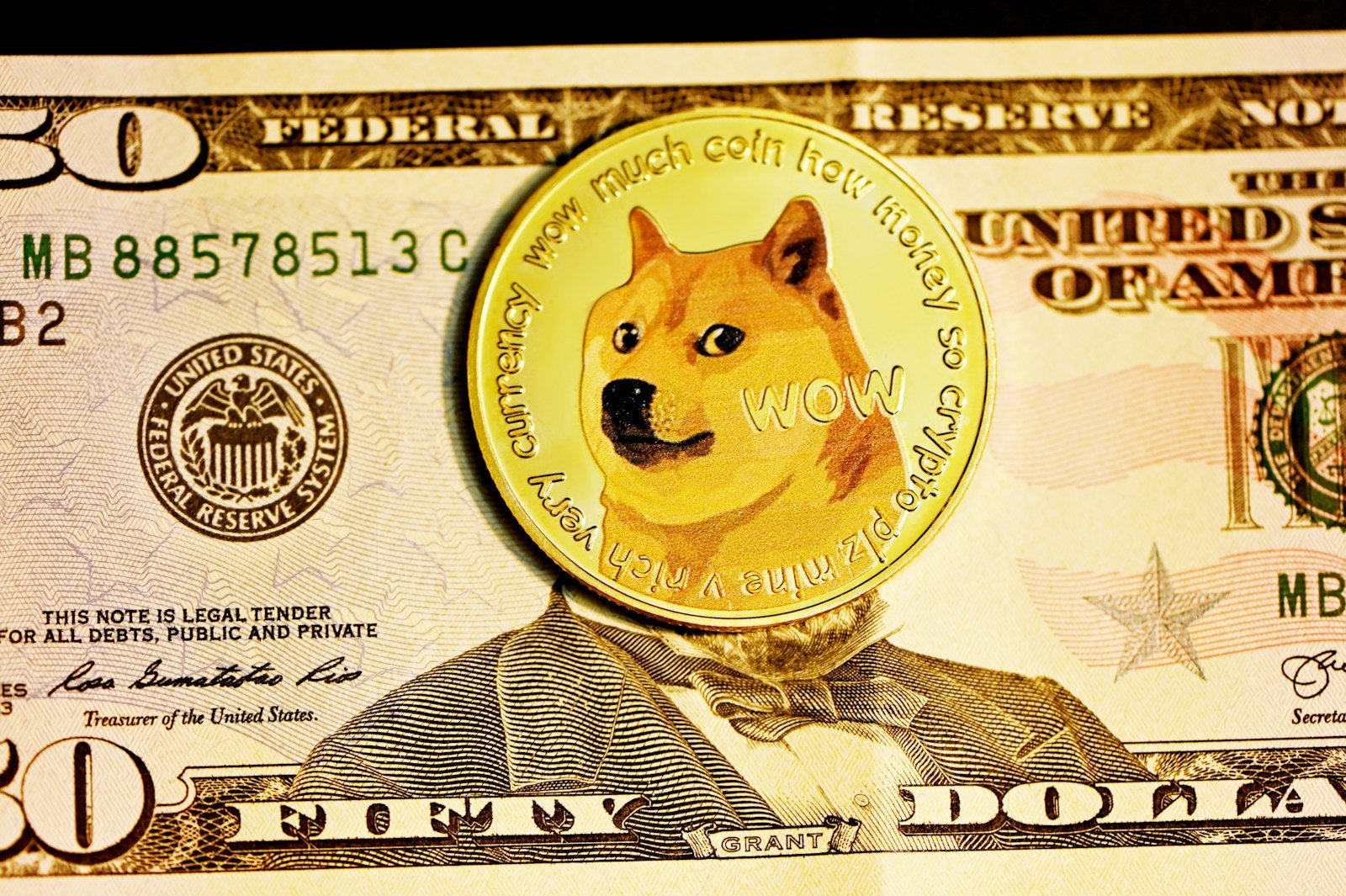
Dogecoin (DOGE)
- Created in 2013 as a joke
- Based on the Shiba Inu “Doge” meme
- Became widely known after endorsements from Elon Musk
Shiba Inu (SHIB)
- Marketed as the “Dogecoin killer”
- Built on Ethereum
- Expanded into NFTs, DeFi, and its own ecosystem
Other Meme Coins
- Pepe (PEPE)
- Floki (FLOKI)
- Bonk (BONK)
Each gained popularity primarily through viral online attention.
Why Do Meme Coins Become Popular?
1. Community Power
Meme coins thrive on:
- X (Twitter)
- Discord
- Telegram
A strong, passionate community can push prices rapidly.
2. Low Entry Price Psychology
Many meme coins have:
- Extremely low prices per token
- Huge circulating supplies
This makes investors feel they’re getting in “early,” even if the market cap is already high.
3. Viral Marketing & Influencers
Tweets, memes, and influencer hype can:
- Drive massive buying waves
- Create sudden price spikes
Meme coins are highly reactive to social trends.
4. Speculation & FOMO
Many buyers are motivated by:
- Fear of missing out
- Short‑term gains
- Lottery‑like appeal
This speculation fuels rapid rises — and crashes.
Do Meme Coins Have Real Utility?
In most cases:
- ❌ No strong technical purpose
- ❌ No unique blockchain innovation
Some newer meme coins try to add:
- NFT projects
- Staking or burn mechanisms
- Gaming integrations
However, utility is often secondary to hype.
Risks of Investing in Meme Coins
Meme coins are high‑risk assets.
Major risks include:
- Extreme volatility
- Rug pulls and scams
- No intrinsic value
- Centralized token ownership
- Sudden loss of hype
📉 Prices can drop 80–90% just as quickly as they rise.
Are Meme Coins Scams?
Not always — but many are.
✅ Legitimate meme coins:
- Have transparent teams
- Public tokenomics
- Active communities
🚨 Red flags:
- Anonymous developers
- Locked or unclear liquidity
- Guaranteed return promises
- Sudden aggressive marketing
Always research before buying.
Why Do People Buy Meme Coins?
People buy meme coins for:
- Entertainment
- Community belonging
- Speculative profits
- Internet culture participation
For many, meme coins are less about investing and more about participating in a shared online movement.
Meme Coins vs Traditional Cryptocurrencies
| Feature | Meme Coins | Traditional Crypto |
|---|---|---|
| Origin | Internet memes | Technical goals |
| Utility | Limited | Strong use cases |
| Volatility | Extremely high | High but lower |
| Community‑driven | Yes | Partial |
| Long‑term focus | Rare | Common |
Should You Invest in Meme Coins?
Meme coins may make sense if:
- You understand the risks
- You only invest what you can afford to lose
- You treat it as speculation, not a retirement plan
They are not suitable for conservative or long‑term investors.
Final Takeaway
Meme coins are a unique blend of internet culture, speculation, and community power. While some have achieved remarkable success, most are driven by hype rather than fundamentals.
✅ Think of meme coins as digital collectibles with price tags, not traditional investments. If you choose to participate, do so carefully, responsibly, and with a clear understanding of the risks.
Key Takeaways
- Meme coins are cryptocurrencies based on internet jokes or trends that build value through community engagement rather than technical utility
- These digital assets experience extreme price volatility driven by social media attention and celebrity endorsements
- Understanding meme coins requires recognizing their cultural significance alongside their high-risk investment profile
The Nature of Meme Coins
Meme coins blend internet culture with cryptocurrency technology, creating unique digital assets driven by community sentiment rather than traditional fundamentals. These coins often experience extreme price volatility while building passionate followings through shared humor and cultural references.
Definition and Characteristics
Meme coins are cryptocurrencies inspired by internet jokes, memes, or popular culture trends. Unlike traditional cryptocurrencies that focus on solving technical problems, meme coins typically emphasize humor and community building.
Most meme coins share several key traits:
- Viral potential based on recognizable characters or jokes
- Limited technical utility compared to mainstream cryptocurrencies
- High volatility with dramatic price swings
- Large token supplies often in the trillions
- Low individual token prices (fractions of a cent)
These coins generally don’t aim to solve serious financial problems. Instead, they create communities around shared jokes and internet culture. Their value comes mainly from social momentum rather than underlying technology.
Popular Meme Coins
Dogecoin (DOGE) stands as the original meme coin, created in 2013 as a joke based on the popular Shiba Inu “Doge” meme. Despite its humorous origins, Dogecoin gained significant value and attention, particularly after endorsements from celebrities like Elon Musk.
Other notable meme coins include:
- Shiba Inu (SHIB): Known as the “Dogecoin killer,” it built a massive community
- Pepe (PEPE): Based on the famous cartoon frog meme
- Floki Inu (FLOKI): Named after Elon Musk’s dog
- Dogelon Mars (ELON): Combines Dogecoin with Mars exploration themes
These coins have experienced both dramatic rises and falls in value. Some early investors made fortunes, while others lost significant amounts when prices crashed.
Community and Culture
The unique culture surrounding meme coins sets them apart from other cryptocurrencies. These communities form around shared jokes, memes, and a collective sense of fun rather than serious investment principles.
Social media platforms like Reddit, Twitter, and Telegram serve as hubs where meme coin enthusiasts gather. Here, they share memes, coordinate promotional efforts, and celebrate price movements together.
Many meme coin communities embrace slogans and inside jokes. Dogecoin adopters use phrases like “To the moon!” and “Such wow!” reflecting the playful nature of these investments.
The culture often emphasizes holding coins long-term (“HODLing”) regardless of price fluctuations. This creates strong community loyalty but can sometimes lead to financial losses when members refuse to sell during downturns.
Economic and Market Perspectives
Meme coins occupy a unique position in cryptocurrency markets, driven primarily by social sentiment rather than utility. Their economic value often fluctuates based on community engagement, celebrity endorsements, and viral trends.
Market Capitalization and Trading Volume
Despite their comedic origins, some meme coins have achieved remarkable market capitalizations. Dogecoin, the original meme coin, has reached valuations exceeding $50 billion during peak periods, placing it temporarily among the top 10 cryptocurrencies by market cap.
Trading volumes for popular meme coins can spike dramatically during periods of social media attention. For instance, when Elon Musk mentions Dogecoin on Twitter, daily trading volume has increased by up to 800% within 24 hours.
Unlike established cryptocurrencies like Bitcoin and Ethereum, meme coin markets typically display extreme volatility. Price swings of 20-50% in a single day are not uncommon, compared to the 5-10% movements seen in more established digital assets.
Investment Considerations and Risks
Meme coins present significant investment risks due to their speculative nature. Their value derives almost entirely from social sentiment rather than technological innovation or practical applications.
Many financial advisors classify meme coins as high-risk speculative assets rather than legitimate investments. The lack of fundamental value makes price predictions nearly impossible, even for experienced traders.
Regulatory concerns add another layer of risk. The SEC has expressed increased scrutiny toward meme coins, potentially classifying some as unregistered securities. This regulatory uncertainty creates additional investment hazards.
Liquidity risks also exist, especially for newer meme coins with smaller market caps. Investors may find it difficult to exit positions during market downturns without significantly impacting prices.
Meme Coins and Social Media Influence
The relationship between meme coins and social media is symbiotic. Platforms like Twitter, Reddit, and TikTok serve as the primary distribution channels for meme coin promotion and community building.
Celebrity endorsements dramatically affect meme coin valuations. A single tweet from Elon Musk about Dogecoin has historically resulted in price increases of up to 40% within hours. Similar effects have been observed with other celebrity mentions.
Community-driven marketing campaigns often employ sophisticated social media strategies. Reddit forums like r/SatoshiStreetBets and r/CryptoMoonShots frequently coordinate promotional efforts to increase visibility and adoption.
News coverage amplifies social media effects. When mainstream media reports on dramatic meme coin price movements, it creates feedback loops that further drive market activity and public interest.
Frequently Asked Questions
Meme coins have generated considerable interest in the cryptocurrency market, leaving many potential investors with important questions. These FAQs address the fundamental aspects of meme coins including their uses, valuation, and market position.
What are the primary uses of meme coins?
Meme coins primarily function as speculative investments and community-building tools. They allow holders to participate in specific online communities that share interests in the underlying meme or concept.
Some meme coins offer utility through tipping systems on social media platforms. Users can reward content creators with small amounts of these coins.
A growing number of meme coins are exploring additional utility by incorporating decentralized finance (DeFi) features or supporting charity initiatives to expand beyond their novelty status.
How is the value of a meme coin determined?
Meme coin values are largely driven by community sentiment and social media hype rather than underlying technological value. When influential figures mention a meme coin, its price often experiences significant movement.
Market demand and limited supply contribute to price fluctuations. Many meme coins have no supply cap, which can lead to inflationary pressure over time.
The perceived cultural relevance of the associated meme also influences value. Coins based on enduring or trending internet phenomena tend to maintain stronger community interest.
What distinguishes a meme coin from traditional cryptocurrencies?
Traditional cryptocurrencies typically focus on solving specific technological problems or creating utility, while meme coins emphasize community and humor. Bitcoin and Ethereum have clear technical roadmaps, whereas meme coins may lack substantial development plans.
Meme coins generally have minimal technical innovation, instead leveraging existing blockchain frameworks. They often launch quickly with simple modifications to existing code.
The governance structure of meme coins tends to be less formal, with decisions sometimes made through social media polls rather than established protocols.
How does meme coin mining work?
Most meme coins aren’t mined like Bitcoin but are created through different mechanisms. Many use a proof-of-stake consensus model rather than energy-intensive proof-of-work systems.
Some meme coins are pre-mined, meaning all tokens are created at launch and then distributed according to the project’s plan. This approach eliminates the need for ongoing mining operations.
Others use token generation events or airdrops to distribute coins to community members. These distribution methods align with the community-focused nature of meme coins.
Which meme coins are considered the leading ones in the market?
Dogecoin remains the original and most recognized meme coin, created in 2013 as a joke but gaining significant value over time. Its Shiba Inu dog mascot has become iconic in cryptocurrency circles.
Shiba Inu emerged as a “Dogecoin killer” and has established itself as the second most popular meme coin. It has expanded to include a decentralized exchange and NFT marketplace.
Newer entrants like Pepe, Floki, and Bonk have gained traction by tapping into fresh memes and internet trends. These coins often experience rapid price swings based on social sentiment.
Are investments in meme coins generally considered a wise financial decision?
Financial experts typically categorize meme coins as high-risk speculative investments rather than sound financial strategies. Their value fluctuations can be extreme, with some coins losing 90% of their value in short periods.
Investors should only commit funds they can afford to lose entirely. The meme coin market is particularly susceptible to pump-and-dump schemes and market manipulation.
Some traders have made substantial profits from well-timed meme coin investments, but these success stories represent the exception rather than the rule. Long-term value stability remains questionable for most meme coins.