
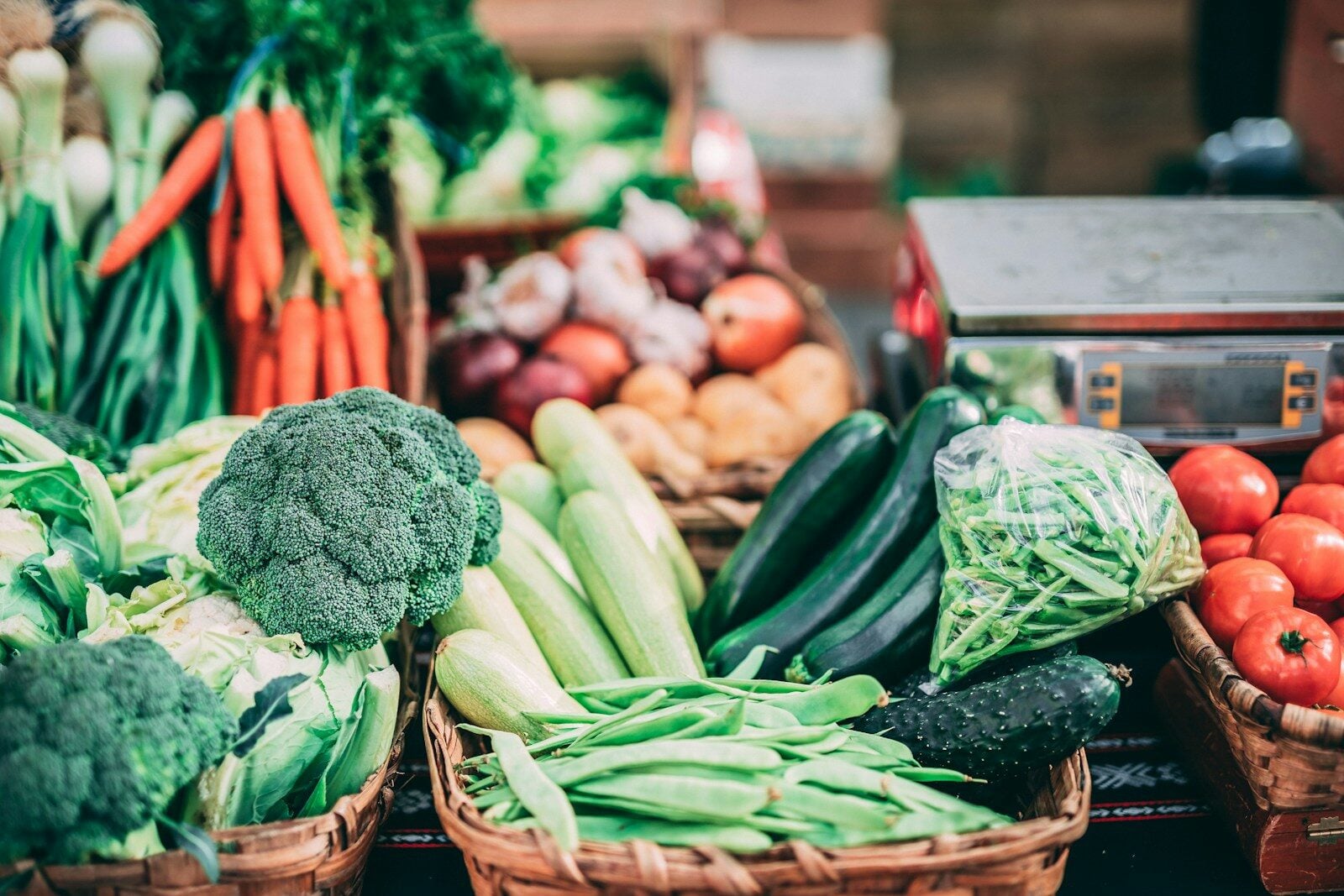
We all know someone who refuses to eat broccoli, pushes spinach to the side of their plate, or insists that Brussels sprouts are “disgusting.” While it’s easy to dismiss picky eating as childish or stubborn, science suggests there’s often more going on.
From genetics to brain chemistry, there are real biological reasons why some people genuinely dislike vegetables. Here’s what research tells us.
1. Genetics: You Might Be a “Supertaster”
One of the biggest reasons some people hate vegetables comes down to genetics.
Certain vegetables — especially cruciferous ones like:
- Broccoli
- Kale
- Brussels sprouts
- Cabbage
contain natural compounds called glucosinolates, which can taste bitter.
Some people carry variations of a gene called TAS2R38, which makes them highly sensitive to bitter flavors. These individuals are often called “supertasters.”
For supertasters:
- Bitter flavors taste much stronger
- Vegetables may taste overwhelmingly sharp or unpleasant
- Even small amounts of bitterness can dominate a dish
To someone without this gene sensitivity, broccoli might taste mildly earthy. To a supertaster, it can taste intensely bitter.
In other words, it’s not exaggeration — it’s biology.
2. Evolution: Bitter Meant Dangerous
From an evolutionary standpoint, bitterness served a purpose.
Many toxic plants in the wild taste bitter. Our ancestors who were sensitive to bitterness were more likely to avoid poisonous foods — and survive.
So if you strongly dislike bitter vegetables, your brain may simply be following an ancient survival mechanism.
Ironically, the vegetables we now know are healthy still trigger that old “this might be dangerous” signal in some people.
3. Childhood Experiences Shape Taste Preferences
Taste preferences begin early — even before birth.
Research shows:
- Flavors from a mother’s diet pass into amniotic fluid
- Breast milk reflects what the mother eats
- Early exposure increases later acceptance
If someone wasn’t exposed to a wide variety of vegetables as a child, they may find them unfamiliar and unappealing later.
There’s also the “pressure effect.” When children are forced to eat vegetables, they often form negative emotional associations with them. The brain links vegetables with stress or conflict — not pleasure.
4. Texture Sensitivity and Sensory Processing
For some people, the issue isn’t flavor — it’s texture.
Vegetables can be:
- Mushy (cooked zucchini)
- Fibrous (celery)
- Slimy (okra)
- Gritty (spinach)
People with heightened sensory sensitivity — including many individuals with ADHD, autism spectrum traits, or sensory processing differences — may react strongly to certain textures.
Their dislike isn’t about being picky; it’s about how their nervous system processes sensory input.
5. The Brain Prefers Sugar and Fat
From a neurological perspective, vegetables are competing with powerful biological forces.
The human brain is wired to prefer:
- Sweet flavors (quick energy)
- Fatty foods (high calories)
- Salty foods (essential minerals)
Vegetables are generally:
- Low in calories
- Often bitter
- Not immediately rewarding
Highly processed foods, on the other hand, are engineered to maximize pleasure. Compared to chips or ice cream, plain vegetables trigger a much weaker dopamine response.
It’s not that vegetables are bad — it’s that modern food has reset our reward system.
6. Cooking Method Makes a Huge Difference
Not all vegetable hate is biological. Sometimes it’s culinary.
Overboiled, soggy vegetables:
- Lose natural sweetness
- Become mushy
- Smell sulfurous (especially cruciferous vegetables)
Proper cooking methods — roasting, grilling, air frying — can caramelize natural sugars and reduce bitterness.
Many self-proclaimed vegetable haters discover they actually enjoy vegetables when prepared differently.
7. Taste Buds Change Over Time
Here’s the good news: taste preferences aren’t fixed.
As we age:
- Bitter sensitivity often decreases
- Taste buds regenerate roughly every 1–2 weeks
- Repeated exposure can increase acceptance
Studies show that it can take 10–15 exposures to a new food before the brain begins to accept it.
Disliking vegetables now doesn’t mean you always will.
8. The Role of the Gut Microbiome
Emerging research suggests your gut bacteria may influence cravings.
Different gut microbes:
- Thrive on different nutrients
- Send signals to the brain
- Influence food preferences
If your diet has historically been low in fiber and vegetables, your microbiome may not “ask” for them. As you gradually increase vegetable intake, your gut bacteria can shift — and so can your cravings.
So… Are Vegetable Haters Just Picky?
Not necessarily.
Disliking vegetables can stem from:
- Genetic sensitivity to bitterness
- Evolutionary survival mechanisms
- Childhood exposure (or lack of it)
- Sensory processing differences
- Brain reward systems
- Gut microbiome composition
It’s a mix of biology and experience — not simply stubbornness.
Can You Learn to Like Vegetables?
Yes — many people do.
Strategies that help include:
- Roasting instead of boiling
- Pairing vegetables with healthy fats (olive oil, nuts)
- Adding acid (lemon juice, vinegar) to balance bitterness
- Mixing vegetables into familiar dishes
- Repeated small exposures without pressure
Over time, both your brain and taste buds can adapt.
Final Thoughts
If you hate vegetables, you’re not broken — and you’re not alone. Science shows that taste preferences are deeply influenced by genetics, brain chemistry, evolution, and early life experiences.
The good news? Preferences can change.
With the right preparation and repeated exposure, even lifelong vegetable skeptics can learn to enjoy — or at least tolerate — more greens on their plate.
And your body will thank you for it.