
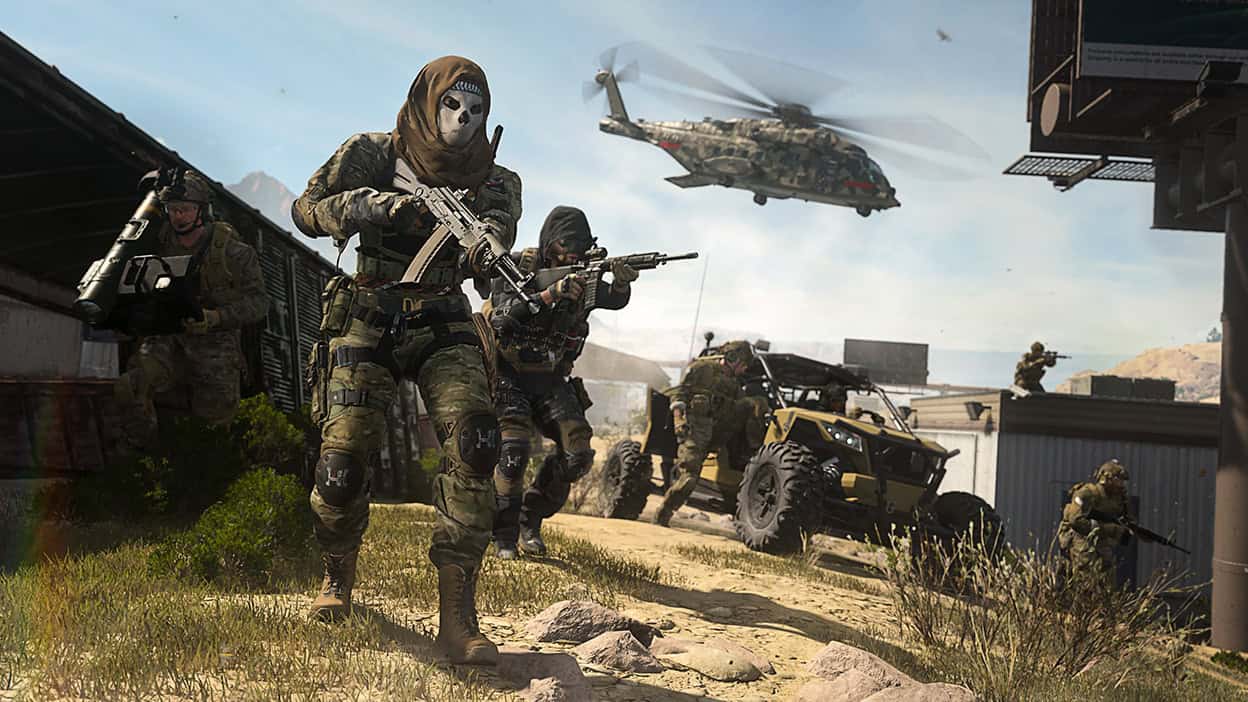
Older Call of Duty titles may still be popular for nostalgia and multiplayer fun, but security experts are warning that some legacy releases pose serious risks to players’ systems. Due to unpatched vulnerabilities, malicious actors can potentially execute remote code, putting your computer—and personal data—at risk.
What’s the Risk?
Several older Call of Duty games rely on outdated networking and matchmaking systems that lack modern security protections. In some cases, attackers can exploit these weaknesses to:
- Run remote code execution (RCE) attacks
- Install malware without your knowledge
- Access personal files or credentials
- Monitor activity or take partial control of your system
These attacks can occur simply by joining an online match or lobby, without clicking any suspicious links.
Which Games Are Affected?
While publishers rarely publish full vulnerability disclosures for legacy titles, security researchers and community reports have highlighted risks in older PC versions, including:
- Call of Duty: Modern Warfare 2 (2009)
- Call of Duty: Modern Warfare 3 (2011)
- Call of Duty: Black Ops
- Call of Duty: Black Ops II
- Call of Duty: World at War
The issue primarily affects PC players. Console versions are generally less exposed due to closed operating systems and network restrictions.
Why This Is Happening
The core problems stem from:
- Peer-to-peer (P2P) networking, where players connect directly to one another
- Lack of encryption or authentication in older matchmaking services
- No recent security patches from the publisher
- Continued online availability despite unsupported infrastructure
Because these games are no longer actively maintained, known exploits often remain unpatched for years.
Real-World Reports
Players have reported incidents such as:
- Sudden game crashes followed by suspicious system behavior
- Pop-up windows or command prompts appearing mid-game
- Antivirus alerts triggered after online matches
- IP address exposure and targeted harassment
Security researchers have confirmed that some exploits allow attackers to run commands on another player’s PC with minimal interaction.
How to Protect Yourself
If you still want to play older Call of Duty titles, take these precautions:
✅ Avoid Public Multiplayer
Stick to:
- Offline modes
- Private matches with trusted friends
- LAN play where possible
✅ Use Community-Managed Clients
Some community projects add:
- Security fixes
- Server-side protections
- Improved matchmaking
(Be cautious and research these tools before installing.)
✅ Secure Your System
- Keep your operating system fully updated
- Use reputable antivirus and firewall software
- Run games under a non-administrator account
❌ Don’t Ignore Warnings
If your antivirus flags unusual behavior during or after gameplay, stop playing immediately and run a full system scan.
What About Newer Titles?
Modern Call of Duty releases use:
- Dedicated servers
- Improved anti-cheat systems
- Regular security updates
These newer games are far safer for online play than legacy PC versions.
Bottom Line
Older Call of Duty games may be classics, but their outdated online infrastructure can make them dangerous to play online in 2026. Without active security support, hackers can exploit known flaws to compromise players’ systems.
If you value your data and system security, avoid public online play in older PC Call of Duty titles, or take strong precautions before launching them.
Staying informed is the first step in staying safe.