
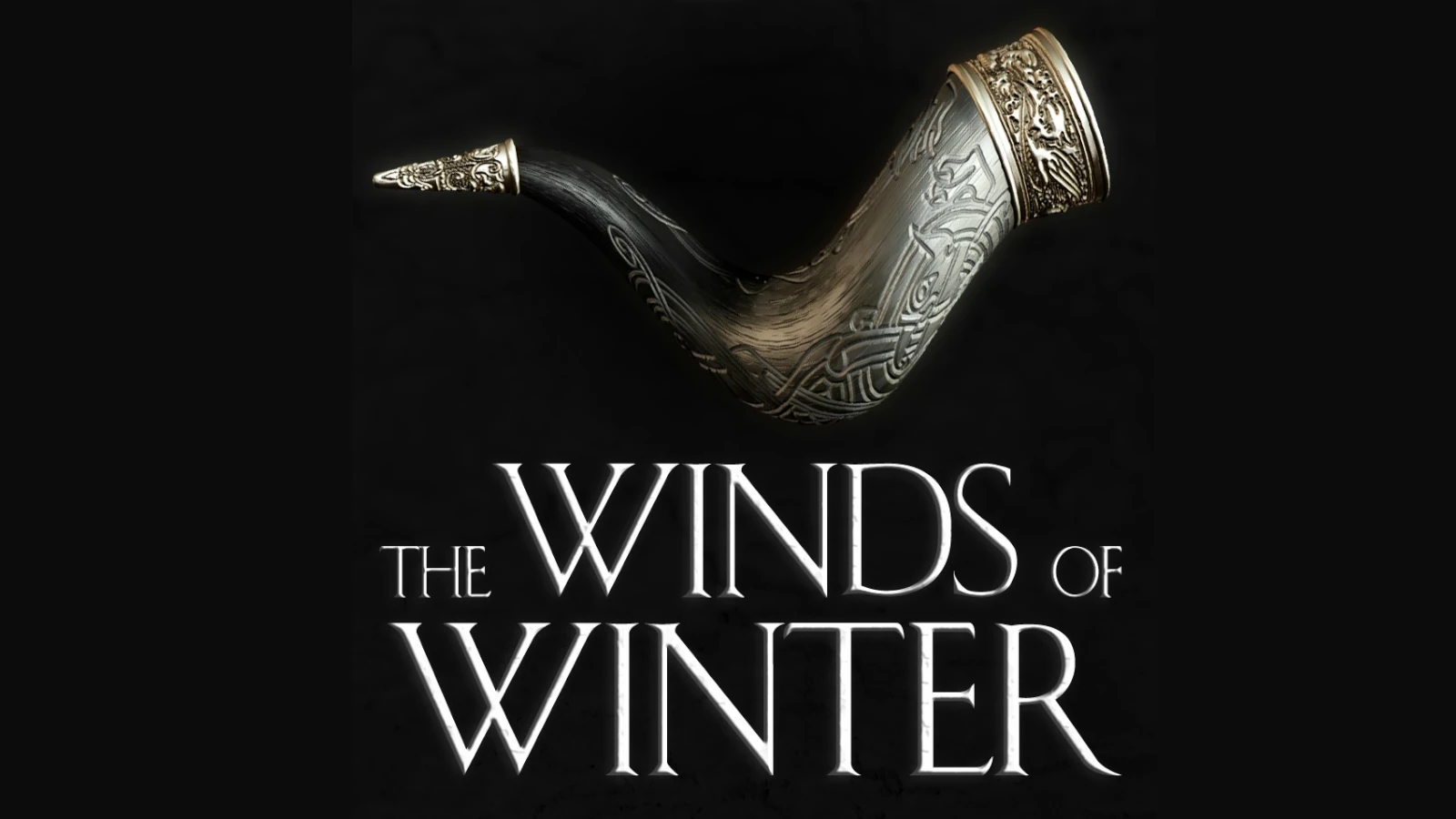
After more than a decade of anticipation, The Winds of Winter remains one of the most awaited novels in modern fantasy. Now, George R. R. Martin has openly acknowledged what many fans have quietly feared: there is a real possibility he may never finish the long-delayed sixth installment of A Song of Ice and Fire.
A Long Winter Indeed
The Winds of Winter was originally expected to follow 2011’s A Dance with Dragons within a few years. Instead, the gap has stretched well beyond a decade. During that time, the television adaptation Game of Thrones concluded in 2019, overtaking the unpublished novels and presenting its own version of how the saga ends.
Martin has consistently provided updates over the years, often sharing that he has written hundreds of pages and revisited major character arcs. However, progress has been slower than anticipated.
Now, in candid remarks about the book’s future, Martin has admitted uncertainty about whether he will ultimately complete it.
The Pressure of Expectations
Few books in modern publishing carry the weight of expectation that The Winds of Winter does. The series has sold tens of millions of copies worldwide and helped redefine epic fantasy for a new generation.
But success has also created immense pressure.
Martin has previously spoken about the challenges of managing sprawling storylines, dozens of major characters, and intricate political and magical threads. Unlike the HBO series, which streamlined certain arcs, the books maintain a far more complex narrative structure.
The author has acknowledged that fan anticipation, combined with the scope of the story, has made the writing process even more demanding.
Expanding Commitments
Another factor contributing to delays is Martin’s expanding creative portfolio. Since Game of Thrones, he has been involved in multiple television projects, including HBO’s House of the Dragon and other planned Westeros-based spin-offs. He has also edited anthologies, worked on side projects, and remained active on his blog.
While Martin has stated that writing remains a priority, balancing multiple responsibilities has inevitably affected his pace.
An Honest Admission
In addressing the future of The Winds of Winter, Martin has acknowledged the reality of time and uncertainty. At 77 years old, he has been frank about the possibility that he may not complete the book—or the final planned installment, A Dream of Spring.
It’s a sobering admission for fans who have followed the series for nearly 30 years. Yet it also reflects Martin’s long-standing commitment to honesty about the creative process.
Rather than rushing to meet deadlines, he has maintained that he will only release the book when it meets his standards.
What This Means for Fans
Despite the uncertainty, Martin has not declared the project abandoned. He continues to report incremental progress and has reaffirmed that he is still working on the manuscript.
For readers, this means:
- There is still hope the book will be completed.
- No official release date has been announced.
- The timeline remains open-ended.
The situation also raises broader questions about how epic, multi-volume fantasy series are managed in modern publishing—especially when adaptations outpace source material.
The Legacy of A Song of Ice and Fire
Regardless of whether The Winds of Winter is ultimately published, Martin’s influence on fantasy literature is undeniable. A Song of Ice and Fire reshaped the genre with its morally complex characters, political realism, and willingness to subvert heroic tropes.
Still, for millions of readers, the story feels unfinished.
The fate of Westeros in the books remains suspended: Jon Snow’s resurrection, Daenerys’s campaign in Essos, Bran Stark’s evolving powers, and the looming threat of the Others are all threads awaiting resolution.
Final Thoughts
George R. R. Martin’s acknowledgment that he may never finish The Winds of Winter is both realistic and deeply emotional for longtime fans. While the possibility is difficult to accept, it underscores the immense scope of the project and the human limitations behind even the grandest fictional worlds.
For now, winter remains on the horizon—unfinished, uncertain, and still eagerly awaited.