
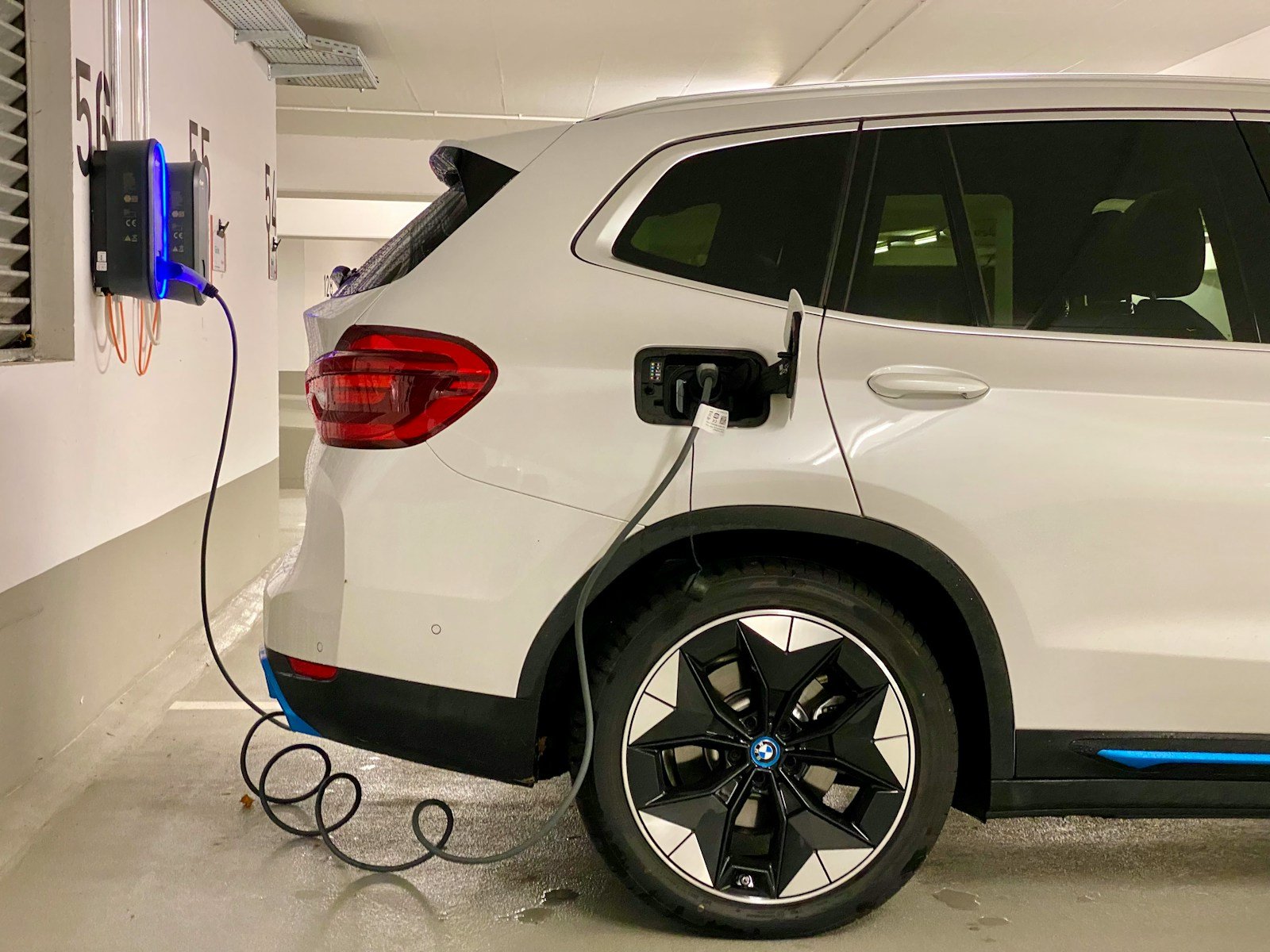
Electric vehicles are becoming more accessible to the average car buyer as prices drop and options expand. With many new models hitting the market in 2025, consumers have more choices than ever when looking for an affordable EV that won’t drain their savings.
The best affordable electric vehicles offer excellent value with practical range, decent features, and price points under $40,000, making them realistic alternatives to gas-powered cars for everyday drivers. As battery technology improves and production scales up, manufacturers from Chevrolet and Nissan to Tesla and Hyundai continue to introduce models that balance cost, performance, and practicality for budget-conscious shoppers.
1. 2025 Volvo EX30
The 2025 Volvo EX30 stands out as one of the most compelling affordable electric vehicles on the market today. This compact all-electric SUV brings Volvo’s renowned quality to a more accessible price point, starting at just $36,245 for the base model.
The EX30 comes in several configurations to suit different needs and budgets. The Single Motor version offers plenty of pep for daily driving, while those seeking more excitement can opt for the Twin Motor Performance version.
Performance enthusiasts will appreciate the Twin Motor variant, though it does come with a significant price increase. The top-tier EX30 Twin Motor Performance Ultra starts at about $46,195, representing the premium end of the range.
Despite its compact dimensions, the EX30 delivers the safety and quality Volvo is known for. The vehicle features a balanced chassis and perky electric powertrain that makes it enjoyable to drive around town or on longer journeys.
The Ultra trim adds several luxurious touches including a glass roof, 20-inch wheels, and enhanced 22kW AC charging capabilities. It also includes convenient features like automatic parking assistance that makes city living easier.
Some drivers note the EX30 has a somewhat firm ride, which might not appeal to everyone. This characteristic tends to be more noticeable with the larger wheel options available on higher trim levels.
Kelley Blue Book reviews indicate the EX30 represents good value in the electric SUV segment. The vehicle manages to balance performance, range, and features at a price point that makes electric driving more accessible.
For those considering an entry point into electric vehicle ownership, the Volvo EX30 merits serious consideration. It combines Swedish design sensibilities with practical electric performance in a package that won’t break the bank compared to many other electric SUVs.
2. 2025 Hyundai Kona Electric
The 2025 Hyundai Kona Electric stands out as an affordable option in the growing electric vehicle market. This small electric SUV offers an EPA estimated range of 261 miles on a single charge, making it practical for daily commuting and weekend trips.
Pricing for the Kona Electric begins at $34,270 and reaches up to $42,445 depending on trim level and selected options. This competitive pricing positions it as one of the more accessible electric vehicles currently available.
The vehicle received a complete redesign in 2024, giving it a fresh and modern appearance. The 2025 model continues with this updated styling that provides an elevated and contemporary look compared to its predecessor.
Drivers appreciate the Kona Electric’s practical features and technology package. The vehicle comes equipped with advanced features that enhance both safety and convenience during everyday driving situations.
Interior comfort receives positive marks from owners. The cabin offers a usable glove box and good sound system that performs well at low to moderate volumes. While audio quality may decrease at higher volumes, this remains acceptable considering the vehicle’s price range.
The Kona Electric represents Hyundai’s most affordable electric vehicle option. As part of the broader market trend toward more accessible EVs, it helps make electric driving possible for more consumers without requiring premium pricing.
Potential buyers should note that the Kona Electric delivers strong value for its segment. It combines the practical size of a small SUV with zero-emission driving capability and reasonable upfront costs compared to many competing electric models.
3. 2025 Kia Niro EV
The 2025 Kia Niro EV stands out as a compelling option in the affordable electric vehicle market. This compact electric SUV offers an impressive range of 253 miles on a single charge, making it practical for daily commuting and occasional longer trips.
Starting at $40,975, the Niro EV positions itself as one of the more accessible electric SUVs available today. The top trim level reaches around $45,975, providing multiple options depending on budget and feature preferences.
The Niro EV sits as the smallest and most affordable electric vehicle in Kia’s growing EV lineup, which also includes the EV6 and larger EV9 models. This positioning makes it an excellent entry point for drivers wanting to transition to electric vehicles.
Practicality remains a key strength of the Niro EV. It offers versatile cargo space while maintaining the efficiency benefits of an electric powertrain. The compact size makes it easy to maneuver in urban environments without sacrificing utility.
Kia has equipped the Niro EV with advanced technology features, continuing the brand’s reputation for offering well-equipped vehicles at competitive price points. The cabin provides modern amenities that enhance both comfort and driving experience.
The Niro EV’s design balances conventional SUV styling with modern electric vehicle elements. This approach may appeal to buyers who want an electric vehicle that doesn’t dramatically depart from traditional automotive aesthetics.
For those considering affordable electric SUVs, the 2025 Niro EV presents a solid combination of range, features, and practicality. Its conventional crossover format paired with zero-emission driving makes it worth consideration for environmentally conscious drivers seeking everyday usability.
4. Chevrolet Bolt EV
The Chevrolet Bolt EV stands out as a compelling option in the affordable electric vehicle market. First introduced in 2016, this compact hatchback has evolved through several iterations while maintaining its focus on practicality and value.
The Bolt EV offers impressive range capabilities for its price point. Most recent models provide approximately 259 miles of range on a full charge, making it suitable for daily commuting and occasional longer trips without requiring frequent recharging.
Pricing makes the Bolt EV particularly attractive in the EV landscape. The 2023 model was priced around $30,000 before incentives, and with the federal tax credit of $7,500, the effective cost drops significantly. This positions it as one of the best value EVs in America.
For the upcoming 2025 model, Chevrolet has announced a complete redesign. Industry experts anticipate the pricing to remain in the $30,000 range, continuing its tradition as an affordable option in the growing EV market.
The Bolt EV features a spacious interior despite its compact exterior dimensions. Its hatchback design provides practical cargo capacity, with approximately 16.6 cubic feet of trunk space that expands to 57 cubic feet with the rear seats folded down.
Performance-wise, the Bolt delivers respectable acceleration. The electric motor produces around 200 horsepower, allowing for quick response in urban driving scenarios. The low center of gravity, typical of EVs with floor-mounted batteries, also contributes to stable handling.
Chevrolet offers the Bolt in a standard EV format and a slightly larger EUV (Electric Utility Vehicle) variant. The EUV provides additional rear legroom and cargo space for those needing more interior volume.
Charging options include standard Level 1 (120V household outlet), Level 2 (240V), and DC fast charging capability. With DC fast charging, the Bolt can add approximately 100 miles of range in 30 minutes.
5. Tesla Model 3
The Tesla Model 3 stands as one of the most compelling options in the affordable electric vehicle market. Starting at $44,130, it offers impressive value considering its performance and technology features.
The Model 3 delivers electric-powered performance with quick acceleration and responsive handling. Its design prioritizes efficiency while maintaining the sleek aesthetic that Tesla vehicles are known for.
One of the Model 3’s strongest selling points is its cost-effectiveness. Recent analysis shows it’s become the most cost-effective vehicle to run among the top 50 best-selling cars in the United States, considering both electric and internal combustion vehicles.
The base rear-wheel drive model offers solid range for daily commuting. For those seeking more distance between charges, the Long Range All-Wheel Drive version provides extended range capabilities at $47,740.
Tesla’s Supercharger network remains a significant advantage for Model 3 owners. The extensive charging infrastructure makes long-distance travel more convenient than with many competing electric vehicles.
The interior showcases Tesla’s minimalist approach with a large central touchscreen controlling most vehicle functions. The cabin feels spacious and modern, with good visibility and comfortable seating for passengers.
Practicality hasn’t been overlooked, as the Model 3 offers reasonable cargo space. The front trunk provides additional storage, making the vehicle surprisingly practical for its segment.
Safety features come standard, with Tesla’s advanced driver assistance systems included in the base price. These technologies help position the Model 3 as both a safe and forward-thinking vehicle choice.
Regular software updates ensure the Model 3 continues improving over time, adding new features and refining existing ones without requiring dealer visits.
6. Toyota bZ4X
The Toyota bZ4X represents one of the most notable entries into the affordable electric vehicle market from the world’s largest automaker. For 2025, Toyota has reduced the starting price by approximately $5,000-$6,000, making it more accessible to budget-conscious EV shoppers.
Now starting at $38,465, the bZ4X offers solid value in the competitive electric SUV segment. The price can reach up to $43,195 depending on the chosen trim level and optional features.
The vehicle comes in two powertrain configurations. The front-wheel-drive model features a single electric motor that generates 201 horsepower, providing adequate performance for daily driving. For those seeking additional capability, all-wheel-drive versions are also available.
One of the bZ4X’s strongest selling points is its distinctive exterior styling. The EV showcases a sleek, futuristic design that helps it stand out in the increasingly crowded electric vehicle marketplace.
For 2025, Toyota has introduced a new Nightshade Edition of the bZ4X, adding a stylish appearance package that should appeal to buyers looking for a more distinctive aesthetic. This special edition adds visual enhancements without significantly increasing the price.
Toyota’s reputation for reliability and quality continues with the bZ4X, which offers buyers the peace of mind that comes with the brand’s established service network. This factor is particularly important for first-time EV buyers who may have concerns about maintenance.
The interior of the bZ4X features modern amenities and comfort-focused design elements. Its cabin provides adequate space for passengers and cargo, making it practical for families and daily commuters alike.
While not the longest-range EV in its class, the bZ4X delivers sufficient range for most driving needs, especially urban and suburban commuting. Toyota’s careful approach to EV development has prioritized dependability over maximum range figures.
7. Nissan Leaf
The 2025 Nissan Leaf stands out as one of the most budget-friendly electric vehicles available today. With a starting price of $28,140, it’s among the most affordable options for drivers looking to enter the EV market without breaking the bank.
The standard-range Leaf S comes equipped with a 40-kilowatt-hour battery that delivers 147 horsepower. This model offers an EPA-rated range of 149 miles on a full charge, making it suitable for daily commuting and city driving.
For those seeking more range, Nissan offers models with extended battery capacity. The higher-end versions can achieve between 149-212 miles of range, providing more flexibility for longer journeys.
The Leaf delivers instant acceleration, a hallmark characteristic of electric vehicles. This responsiveness makes city driving and highway merging both efficient and enjoyable for drivers new to electric vehicles.
Practicality remains a strong point for the Nissan Leaf. The vehicle offers plenty of cargo space, making it a versatile option for small families or individuals who need room for groceries, luggage, or recreational equipment.
The Leaf competes directly with other affordable EVs like the Chevrolet Bolt. This competition in the lower-priced EV segment gives consumers more options when considering an electric vehicle purchase.
Nissan has been manufacturing the Leaf for multiple generations, refining the design and technology with each iteration. This experience in the EV market has allowed Nissan to optimize the Leaf’s performance while keeping costs manageable.
Buyers may qualify for additional savings through electric vehicle incentives based on income, potentially reducing the effective cost of ownership even further.
8. Volkswagen ID.4 EV
The Volkswagen ID.4 stands out as a compelling option in the affordable electric vehicle market. This fully electric SUV combines practicality with reasonable pricing, making it accessible for buyers looking to transition to electric driving without breaking the bank.
As a solidly capable, mainstream electric SUV, the ID.4 offers plenty of interior space for passengers and cargo. Its comfortable cabin provides a pleasant environment for daily commutes and longer journeys alike.
The 2024 model starts at $41,160, positioning it competitively in the electric SUV segment. While this price point is higher than some competitors, the vehicle delivers good value with its combination of features and capabilities.
Range anxiety remains a concern for many potential EV buyers. The base model ID.4 comes with a 62 kWh battery providing approximately 206 miles of range. Higher trim levels offer extended range options for those needing additional driving distance between charges.
Performance-wise, the entry-level ID.4 generates 201 horsepower and 229 lb-ft of torque. This provides adequate acceleration for everyday driving situations while maintaining efficiency.
In comparison tests with other affordable electric SUVs like the Chevrolet Equinox EV, the ID.4 has performed well in acceleration and braking tests. These performance characteristics contribute to its good road manners.
The ID.4’s value proposition has earned industry recognition. Cars.com named it a Top EV Pick for Value, noting that it offers significant range for the money.
Volkswagen has positioned the ID.4 as a sporty EV with ample space and tech features. The vehicle successfully balances practical needs with modern technology expectations, making it appealing to a wide range of consumers seeking an affordable electric option.
9. Jaguar I-Pace
The Jaguar I-Pace stands out as a luxury electric vehicle that has become more affordable on the used market. While its starting price of $73,275 for a new 2024 model may not fit traditional affordability criteria, pre-owned I-Pace vehicles offer significant value.
Used I-Pace models, particularly from 2021, represent what some consider the best deal in the EV market right now. These vehicles deliver premium features and performance at a fraction of their original cost due to steep depreciation.
The I-Pace was Jaguar’s first all-electric SUV and won the prestigious 2019 World Car of the Year award. This recognition highlights its groundbreaking design and technology that still holds up well today.
Performance remains a key selling point for the I-Pace. Its electric powertrain delivers instant torque and sporty handling that stays true to Jaguar’s performance heritage while producing zero emissions.
Range anxiety is minimized with the I-Pace’s 90 kWh battery capacity. The vehicle achieves up to 246 MPGe, providing sufficient range for most daily driving scenarios and moderate road trips.
Inside, the I-Pace offers luxury amenities including available performance seats at no extra cost. The cabin provides the premium experience expected from the Jaguar brand with modern technology integration.
For buyers seeking luxury EV transportation without paying new-car prices, a pre-owned I-Pace deserves consideration. The significant depreciation makes these vehicles much more attainable while still offering premium features and respectable electric range.
The I-Pace bridges the gap between traditional luxury vehicles and modern electric transportation. It delivers the prestige of the Jaguar nameplate combined with forward-thinking electric technology in a more affordable package when purchased used.
10. BMW i3
The BMW i3 has become one of the most affordable used electric vehicles on the market today. While many comparable used EVs sell for $20,000-$25,000, the i3 can often be found in the range of $14,000-$20,000 with similar mileage and age.
Some i3 models have been spotted for even less. There are reports of well-maintained examples selling for as low as $10,499, making it an incredible value for those seeking an entry into BMW ownership and electric driving.
The i3 was produced from 2013 to 2021, giving buyers many model years to choose from. Despite being discontinued, many feel the vehicle was ahead of its time and remains a relevant choice in today’s market.
Buyers should know that the i3 comes in two main configurations. The all-electric version offers a modest range, while the range-extender (REx) model includes a small gasoline generator to provide additional mileage when the battery depletes.
The i3 excels as an around-town vehicle. Its compact dimensions make it easy to park and maneuver in urban environments, while its unique carbon-fiber reinforced plastic construction keeps weight down and efficiency up.
Battery replacements under warranty have benefited many used i3 models. This means buyers can often find vehicles with relatively new battery packs, ensuring better range and performance than the original specifications might suggest.
A potential bonus for used i3 buyers is the federal tax credit. Many used i3 models can qualify for a $4,000 tax credit, further enhancing the vehicle’s value proposition.
Ongoing costs include a subscription for real-time traffic updates, which runs about $120 per year after the initial free period expires. However, this feature is optional for most drivers.
Benefits of Electric Vehicles
Electric vehicles offer significant advantages that make them an attractive option for today’s drivers. These cars provide both environmental benefits and financial savings that become more apparent the longer you own them.
Environmental Impact
Electric vehicles help reduce emissions and have a smaller carbon footprint compared to traditional gas-powered cars. This positive environmental impact comes from several factors:
- Zero tailpipe emissions – EVs don’t release exhaust gases
- Renewable energy compatibility – Can be charged using solar or wind power
- Reduced noise pollution – Electric motors run much quieter than combustion engines
As electricity generation becomes cleaner through increased renewable energy, the environmental benefits of EVs continue to grow. Many utilities now offer programs where you can choose renewable energy sources for your home electricity, making your EV even greener.
Urban areas particularly benefit from EVs as they help improve air quality where pollution is often concentrated.
Cost-Effectiveness Over Time
While electric vehicles may have higher upfront costs, they typically save drivers about 60% on annual fuel costs compared to gas vehicles. These savings add up quickly.
Key financial benefits include:
- Lower “fuel” costs – Electricity is cheaper than gasoline per mile driven
- Reduced maintenance – Fewer moving parts means fewer repairs
- Tax incentives – Federal and state rebates can lower purchase price
- Higher resale value – Many EVs retain value well
Maintenance savings are substantial with no oil changes, fewer brake replacements (due to regenerative braking), and simpler mechanical systems. The typical EV owner spends less on both fuel and maintenance over the vehicle’s lifetime.
Some EVs now offer battery warranties up to 8-10 years, providing peace of mind about the most expensive component.
Understanding EV Range and Charging
Electric vehicle range and charging infrastructure are crucial factors when shopping for an affordable EV. Knowing how far you can drive and where you can recharge will help you choose the right vehicle for your needs.
Factors Affecting EV Range
An electric vehicle’s range depends on several key factors. Battery size is the most obvious—generally measured in kilowatt-hours (kWh)—with larger batteries providing longer ranges. Most affordable EVs now offer at least 200 miles of range.
Weather conditions significantly impact range. Cold temperatures can reduce range by 10-30% because batteries work less efficiently in cold weather and heating the cabin uses extra power.
Driving style also matters. Aggressive acceleration and high speeds consume more energy. Most EVs include:
- Eco driving modes to maximize efficiency
- Regenerative braking to recapture energy
- Range estimators that adjust based on driving conditions
Terrain plays a role too—climbing hills uses more power, though you regain some when going downhill through regeneration.
Types of Charging Stations
EV charging stations come in three main levels, each with different charging speeds:
Level 1 Charging: Uses standard 120V household outlets. This is the slowest method, adding only 3-5 miles of range per hour. Good for overnight charging at home when you have plenty of time.
Level 2 Charging: Uses 240V outlets (like those for dryers) and adds 15-40 miles of range per hour. Most home charging stations and public parking facilities use Level 2.
DC Fast Charging: The fastest option, adding 80% charge in 20-40 minutes. EVs charge fastest between 10-80% battery level, with charging slowing significantly above 80% to protect the battery.
Most affordable EVs now support fast charging, though charging speeds vary by model and battery size. When shopping, compare charging rates between models.
Government Incentives and Rebates
Purchasing an affordable electric vehicle becomes even more accessible through various financial incentives offered by federal, state, and local governments. These programs can significantly reduce the overall cost of EV ownership through tax credits and direct rebates.
Federal Tax Credits
The federal government offers substantial tax incentives for electric vehicle buyers through the Inflation Reduction Act. Currently, many new EVs qualify for up to $7,500 in federal tax credits, making them much more affordable for the average consumer. To qualify for the full credit, vehicles must meet specific manufacturing requirements, including North American assembly and battery component sourcing.
As of March 2025, numerous electric vehicles qualify for the full $7,500 credit. The IRS regularly updates which models are eligible based on changing manufacturing practices and battery sourcing.
Income limits also apply to these credits. Single filers must earn less than $150,000 annually, while married couples filing jointly must earn under $300,000 to qualify.
State and Local Incentives
Beyond federal incentives, many states and local utilities offer additional rebates and perks for EV buyers. These benefits vary widely by location but can provide substantial savings on top of federal credits.
California leads with generous rebate programs, while states like Pennsylvania offer rebates of $1,500 for plug-in hybrids and varying amounts for other alternative fuel vehicles. Some local utilities provide special incentives too, such as Alameda Municipal Power offering up to $4,000 for used EVs priced below $40,000.
Many states also offer non-monetary benefits including:
- HOV lane access
- Reduced registration fees
- Free municipal parking
- Discounted toll rates
Frequently Asked Questions
Many potential buyers have questions about affordable electric vehicles regarding performance, range, and available incentives. Here’s what you need to know before making your purchase decision.
What are the top-rated affordable electric vehicles on the market?
The 2025 Volvo EX30 stands out as one of the best affordable EVs with its sleek design and competitive pricing starting around $35,000. It offers premium features typically found in more expensive models.
The Tesla Model 3 continues to be a benchmark for affordable electric vehicles, combining impressive range with cutting-edge technology and regular software updates. Its minimalist interior and Autopilot capabilities make it a popular choice.
The 2025 Hyundai Kona Electric and Kia Niro EV provide excellent value with their spacious interiors and user-friendly interfaces. These Korean manufacturers have introduced budget-friendly EV options with reasonable price tags.
How does the best inexpensive EV compare in terms of range and performance?
Most affordable EVs now offer ranges between 250-300 miles per charge, with the Tesla Model 3 leading at around 325 miles for its Long Range version. This means daily commutes under 250 miles are well within reach for most affordable models.
In terms of performance, even budget EVs deliver impressive acceleration. The instant torque from electric motors means most affordable EVs can reach 0-60 mph in under 7 seconds.
Battery degradation has also improved significantly, with many manufacturers now offering 8-10 year warranties on battery packs, ensuring long-term value.
What are the new affordable electric SUV models available?
The 2025 Kia Niro EV crossover provides a higher driving position and increased cargo space while maintaining an accessible price point under $40,000. Its practical design makes it ideal for families needing extra space.
Hyundai’s Kona Electric SUV has been refreshed for 2025 with extended range and improved technology features. The compact SUV form factor offers versatility without sacrificing efficiency.
Several manufacturers are introducing smaller electric crossovers to meet the growing demand for affordable electric SUVs with enhanced utility and ground clearance.
Which low-cost electric cars are eligible for government incentives or tax credits?
Many affordable EVs qualify for the federal tax credit of up to $7,500, though eligibility depends on assembly location and battery component sourcing. The Chevrolet Bolt EV has regained eligibility, making it even more affordable.
State and local incentives can provide additional savings, with some regions offering rebates, reduced registration fees, and HOV lane access. These incentives can make EVs very affordable even before considering operational savings.
Used electric vehicles may qualify for a tax credit of up to $4,000, making late-model used EVs very affordable at $25,000 or less.
What advancements have been made in affordable EV technology for the latest models?
Battery technology has improved dramatically, with newer affordable EVs incorporating more energy-dense cells that provide greater range without increasing costs. Fast-charging capabilities have also become standard on most models.
Thermal management systems have been enhanced, allowing more consistent performance in extreme temperatures and extending battery life. This addresses a key concern for buyers in varied climates.
Software integration has advanced significantly, with over-the-air updates now common even in entry-level models, ensuring vehicles improve over time rather than becoming outdated.
How do entry-level electric cars balance cost with features and safety?
Manufacturers achieve cost effectiveness by offering smaller battery packs with sufficient range for typical daily use rather than maximizing range at all costs. The Chevrolet Bolt EV exemplifies this practical approach.
Safety features haven’t been compromised in affordable EVs, with most models offering advanced driver assistance systems as standard. The inherent lower center of gravity in EVs also improves handling and stability.
Interior quality has improved significantly, with manufacturers focusing on sustainable materials that are both eco-friendly and cost-effective. This allows for attractive cabins without driving up prices.