Gamers and tech enthusiasts have been eagerly awaiting the next flagship graphics card from Nvidia, and the wait is finally over. The GeForce RTX 5090 hit store shelves on January 30, 2025, marking the beginning of Nvidia’s new Blackwell generation of GPUs. The powerful RTX 5090 comes with a premium price tag of $1,999, placing it firmly in the high-end segment of the graphics card market.
Stock for the RTX 5090 has been extremely scarce since its launch nearly two months ago. This isn’t surprising given the high demand for Nvidia’s flagship products. The card launched alongside the RTX 5080, which is available at a lower price point of $999, offering an alternative for those who find the 5090 too expensive.
Nvidia has equipped the RTX 5090 with their revolutionary Double Flow Through cooling design in the Founders Edition models. This helps manage the heat output from what is undoubtedly one of the most powerful consumer graphics cards ever released. For gamers and creators looking to push the boundaries of performance, the RTX 5090 represents the pinnacle of current consumer graphics technology.
RTX 5090: Latest Info, Updates, and Release Date (2026 Guide)
The NVIDIA GeForce RTX 5090 is the flagship GPU of the current RTX 50‑series generation, built on NVIDIA’s latest architecture and aimed at enthusiasts, creators, and 4K/8K gamers.
Here’s everything you need to know — including release status, specs, performance expectations, pricing, and whether it’s worth upgrading.
✅ Release Date
As of early 2026, the RTX 5090 has been officially launched and is available in most major markets, although stock can vary depending on region and demand.
NVIDIA introduced the RTX 50‑series as the successor to the RTX 40‑series, with the 5090 positioned as the new halo card at the top of the lineup.
If you’re shopping now, availability depends on:
- Retail stock levels
- AIB partner models (ASUS, MSI, Gigabyte, etc.)
- Regional supply
🧠 Architecture
The RTX 5090 is based on NVIDIA’s newest GPU architecture (successor to Ada Lovelace), delivering:
- Improved ray tracing cores
- Enhanced AI tensor cores
- Higher efficiency per watt
- Upgraded DLSS capabilities
- Better frame generation and AI acceleration
This generation focuses heavily on AI-driven rendering and performance scaling, pushing frame rates significantly beyond native rasterization alone.
🎮 Performance Expectations
The RTX 5090 is designed for:
- Native 4K ultra gaming at high refresh rates
- 8K gaming (with DLSS enabled)
- High-end VR setups
- Professional 3D rendering
- AI workloads and local LLM inference
Compared to the RTX 4090, users can expect:
- Significant generational performance uplift
- Higher ray tracing throughput
- Improved DLSS frame generation
- Better power efficiency relative to performance
In many modern AAA titles, the 5090 comfortably handles max settings at 4K with ray tracing enabled.
⚙️ Key Features
While specifications vary slightly by manufacturer, flagship-class features include:
- Massive VRAM capacity (targeted at future-proofing)
- GDDR7 memory support
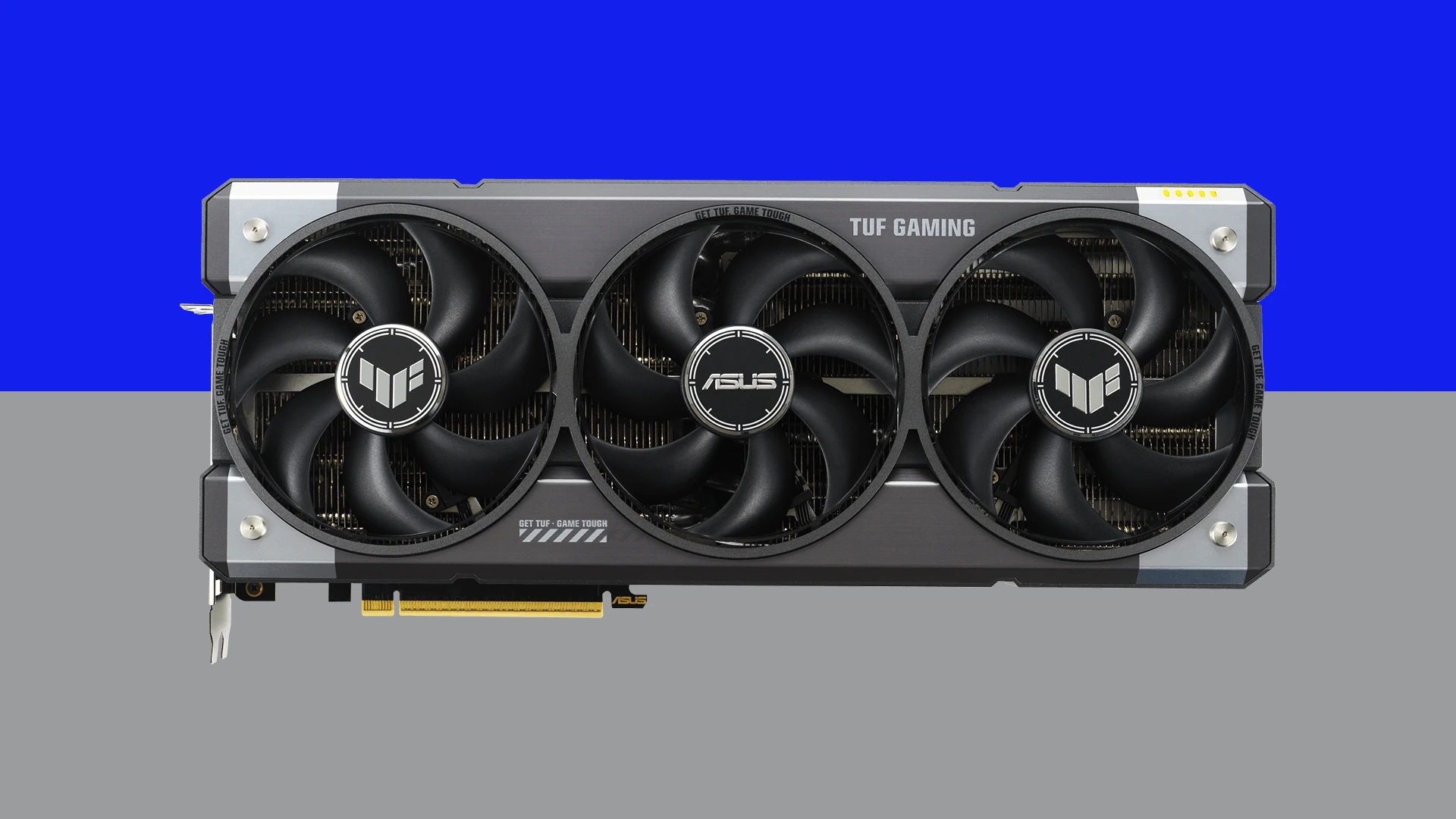
- Advanced cooling designs
- PCIe 5.0 support
- AV1 encoding improvements
- Next-generation DLSS technology
This makes the card particularly attractive for:
- Content creators
- AI researchers
- Streamers
- High-end gaming enthusiasts
💰 Price
As NVIDIA’s flagship, the RTX 5090 sits at the top tier of the pricing stack.
Expect:
- Premium MSRP
- Higher pricing for factory-overclocked AIB models
- Potential launch pricing volatility due to demand
Actual retail prices vary based on:
- Region
- Supply constraints
- Retail markup
- Tariffs or import fees
🔥 Power & Cooling Requirements
High-end GPUs demand serious hardware support.
Before upgrading, check:
✅ Your PSU wattage (high-wattage PSU recommended)
✅ 12V power connector compatibility
✅ Case airflow
✅ Physical GPU clearance
The 5090 is a large, high-performance card and may require a spacious case.
🆚 RTX 5090 vs RTX 4090
Upgrade makes sense if you:
- Want the absolute fastest gaming GPU available
- Need more VRAM
- Run heavy ray tracing workloads
- Work with AI or 3D rendering professionally
- Want better DLSS/frame generation performance
You may not need it if:
- You game at 1440p
- You already own a 4090
- You prioritize value over maximum performance
🧩 Who Is It For?
The RTX 5090 is ideal for:
- Ultra-enthusiast gamers
- Competitive 4K players
- 8K experimenters
- Unreal Engine / Blender creators
- AI developers running models locally
It is not a budget or mid-range card.
📈 Should You Buy It in 2026?
Consider buying if:
- You’re building a no-compromise system
- You skipped the 40-series
- You need next-gen AI acceleration
- You want long-term future-proofing
Consider waiting if:
- You’re expecting a “Ti” variant
- You’re price-sensitive
- You mainly game at 1080p or 1440p
🧠 Final Thoughts
The RTX 5090 represents NVIDIA’s current performance crown. It pushes:
- Ray tracing
- AI rendering
- High-resolution gaming
- Creative workloads
…to new levels.
If you want the best GPU available in 2026, this is it.
Key Takeaways
- The RTX 5090 launched on January 30, 2025 with a retail price of $1,999, but remains in limited supply.
- Nvidia released the flagship alongside the more affordable RTX 5080, priced at $999.
- The Founders Edition features an innovative Double Flow Through cooling design to handle the card’s impressive performance capabilities.
Overview of the GeForce RTX 5090
The GeForce RTX 5090 marks a significant leap in graphics technology with its NVIDIA Blackwell architecture and impressive 32GB of GDDR7 memory. This flagship GPU officially launched on January 30, 2025, positioning itself at the top of the RTX 50 Series lineup.
Anticipation and Market Expectations
The RTX 5090 generated enormous buzz in the gaming and creative professional communities prior to its release. As NVIDIA’s most powerful consumer graphics card to date, it was expected to deliver substantial performance improvements over the previous generation RTX 4090.
Industry analysts predicted the card would set new benchmarks for both gaming and AI workloads. Many tech enthusiasts waited eagerly for the launch, despite the high price point that was rumored for months before the official announcement.
Stock availability became an immediate concern, with search results indicating “extremely scarce” inventory at launch. This scarcity was anticipated given the pattern of limited availability seen with previous flagship GPU releases.
Key Features and Technologies
The RTX 5090 is built on NVIDIA’s cutting-edge Blackwell architecture, representing a significant advancement over the previous Lovelace design. The standout specification is its massive 32GB of GDDR7 memory, providing ample resources for demanding applications and future-proofing for upcoming games.
The Founders Edition features a redesigned “Double Flow Through” cooling system that improves upon the already effective cooling solution of previous generations. This design helps manage the substantial heat output from the powerful GPU.
Key technologies include:
- DLSS 4 (Deep Learning Super Sampling)
- Enhanced ray tracing capabilities
- Neural rendering features
- Improved power efficiency compared to previous generation
These features collectively provide both performance gains and quality improvements for gaming and creative workloads.
Comparative Performance Analysis
The RTX 5090 delivers substantial performance gains over its predecessor, the RTX 4090. Early benchmarks show improvements in rasterization performance, ray tracing capabilities, and AI processing power.
In traditional gaming scenarios, the card provides smoother framerates at 4K and 8K resolutions. The enhanced DLSS 4 technology further boosts performance while maintaining or improving image quality compared to native rendering.
Content creators benefit from faster render times in applications like Blender, Adobe Premiere Pro, and DaVinci Resolve. The 32GB memory buffer is particularly valuable for complex 3D scenes and high-resolution video projects.
AI workloads see some of the most dramatic improvements, with the new architecture specifically optimized for machine learning tasks and neural network operations.
Pricing and Availability
The GeForce RTX 5090 launched at $1,999 for the Founders Edition, positioning it as a premium product for enthusiasts and professionals. This pricing aligns with NVIDIA’s strategy of commanding top dollar for flagship performance.
The card officially hit store shelves on January 30, 2025, alongside the more affordable RTX 5080 priced at $999. Additional models in the RTX 50 Series lineup, including the RTX 5070 Ti and RTX 5070, are planned for release afterward.
As with previous high-end GPU launches, initial stock was extremely limited. Many retailers sold out within minutes of listing the cards online. Board partner models with custom cooling solutions and factory overclocks typically command even higher prices than the Founders Edition.
NVIDIA implemented a waitlist system through their official store to help manage demand and provide a fair purchasing opportunity.
Market Dynamics and Purchase Considerations
The RTX 5090 launch has created a complex market situation with demand far exceeding supply. Prices remain volatile despite some recent stabilization, and consumers face difficult choices when deciding whether to pursue this flagship card or consider alternatives.
Scalpers and The Issue of Low Supply
The RTX 5090 launch on January 30, 2025, faced severe supply constraints from day one. Initial stock sold out within just 20 minutes of release, creating perfect conditions for scalpers to capitalize on the shortage. According to MSI reports, the limited supply suggests chip shortages on Nvidia’s end.
Many online marketplaces show RTX 5090 cards listed at 50-70% above MSRP, with some extreme cases reaching double the retail price. This price gouging has frustrated gamers and professionals alike.
The situation somewhat mirrors previous launches in the GPU market, though recent data indicates prices have begun stabilizing over the past month. Industry analysts predict supply chains should improve by summer 2025, potentially bringing prices closer to the original MSRP.
Retail Presence and Consumer Options
Major retailers like Best Buy and Micro Center implemented purchase limits of one card per customer to combat scalping. Some stores have adopted lottery systems or waiting lists for interested buyers.
Online retailers occasionally restock RTX 5090 cards, but they typically disappear within minutes. Setting up stock alerts on retailer websites has become essential for serious buyers.
AIB (Add-in Board) partners like ASUS, MSI, and GIGABYTE offer various RTX 5090 models with different cooling solutions and factory overclocks. These versions come with price premiums of $100-300 over Nvidia’s Founders Edition.
For those unwilling to pay inflated prices, joining official waiting lists through authorized dealers remains the most reliable option to secure a card at reasonable prices.
Evaluating Alternatives within Nvidia’s Line-Up
The GeForce RTX 50 Series offers several compelling alternatives to the flagship 5090. The RTX 5080 delivers about 85% of the 5090’s performance at roughly 60-65% of the cost, making it a value-oriented choice for high-end gaming.
For 1440p gaming, the RTX 5070 and 5070 Ti present strong options with better availability and more reasonable pricing. These mid-range cards handle most modern games at high settings without the supply constraints of the flagship model.
Performance comparisons between generations show the RTX 5070 roughly matches the previous generation’s RTX 4080 in many benchmarks. This makes previous-gen high-end cards worth considering as their prices continue to drop.
For content creators and professionals, the trade-offs between VRAM capacity and compute performance should be carefully weighed against specific workflow requirements before deciding on the 5090 versus its siblings.
Frequently Asked Questions
NVIDIA’s upcoming RTX 5090 has generated significant interest among gamers and tech enthusiasts. Many questions surround its release date, price, performance capabilities, and technological advancements.
When is the expected release date for the NVIDIA RTX 5090 graphics card?
The NVIDIA RTX 5090 is officially scheduled to launch on January 30, 2025. This release date has been confirmed by NVIDIA and retailers like Micro Center have announced they will have the graphics card available in all stores on launch day.
The RTX 5080 will also launch simultaneously on the same date, giving consumers multiple options from the new generation.
What price range is anticipated for the NVIDIA RTX 5090 upon its launch?
While NVIDIA has not yet officially announced pricing for the RTX 5090, industry analysts expect it to be positioned as a premium flagship product. Based on previous generation pricing patterns, estimates suggest the card could retail between $1,599 and $1,999.
Final pricing details will likely be revealed closer to the January 2025 release date.
How does the NVIDIA RTX 5090 compare to its predecessor in terms of performance improvements?
The RTX 5090 is expected to deliver approximately 30-40% performance gains over the previous generation RTX 4090. Early benchmarks suggest significant improvements in ray tracing capabilities and AI processing power.
The new GPU architecture reportedly features more CUDA cores and faster memory, which should translate to smoother gameplay at 4K and 8K resolutions.
Will the NVIDIA RTX 5090 be available for immediate purchase after its release, or will there be a pre-order phase?
Based on current information, the RTX 5090 will be available for immediate purchase on January 30, 2025. Micro Center has confirmed they will have stock available in all stores on launch day.
Some retailers may offer pre-order options in the weeks leading up to release, but NVIDIA typically focuses on direct availability at launch rather than extended pre-order periods.
Are there any significant technological advancements featured in the upcoming RTX 5090?
The RTX 5090 is rumored to feature NVIDIA’s next-generation GPU architecture with improved ray tracing hardware and more powerful tensor cores for AI processing. Reports suggest enhanced DLSS technology that could provide better image quality with less performance impact.
The card likely includes faster GDDR7 memory and possibly a wider memory bus for increased bandwidth compared to previous generations.
What are the system requirements for utilizing the NVIDIA RTX 5090 effectively?
Users will need a high-end system to fully leverage the RTX 5090’s capabilities. This includes a recent CPU (Intel 12th gen or newer, or AMD Ryzen 7000 series or newer), at least 32GB of RAM, and a high-quality power supply rated at 1000W or higher.
A PCIe 4.0 or 5.0 compatible motherboard is recommended, along with adequate case cooling to handle the expected thermal output.