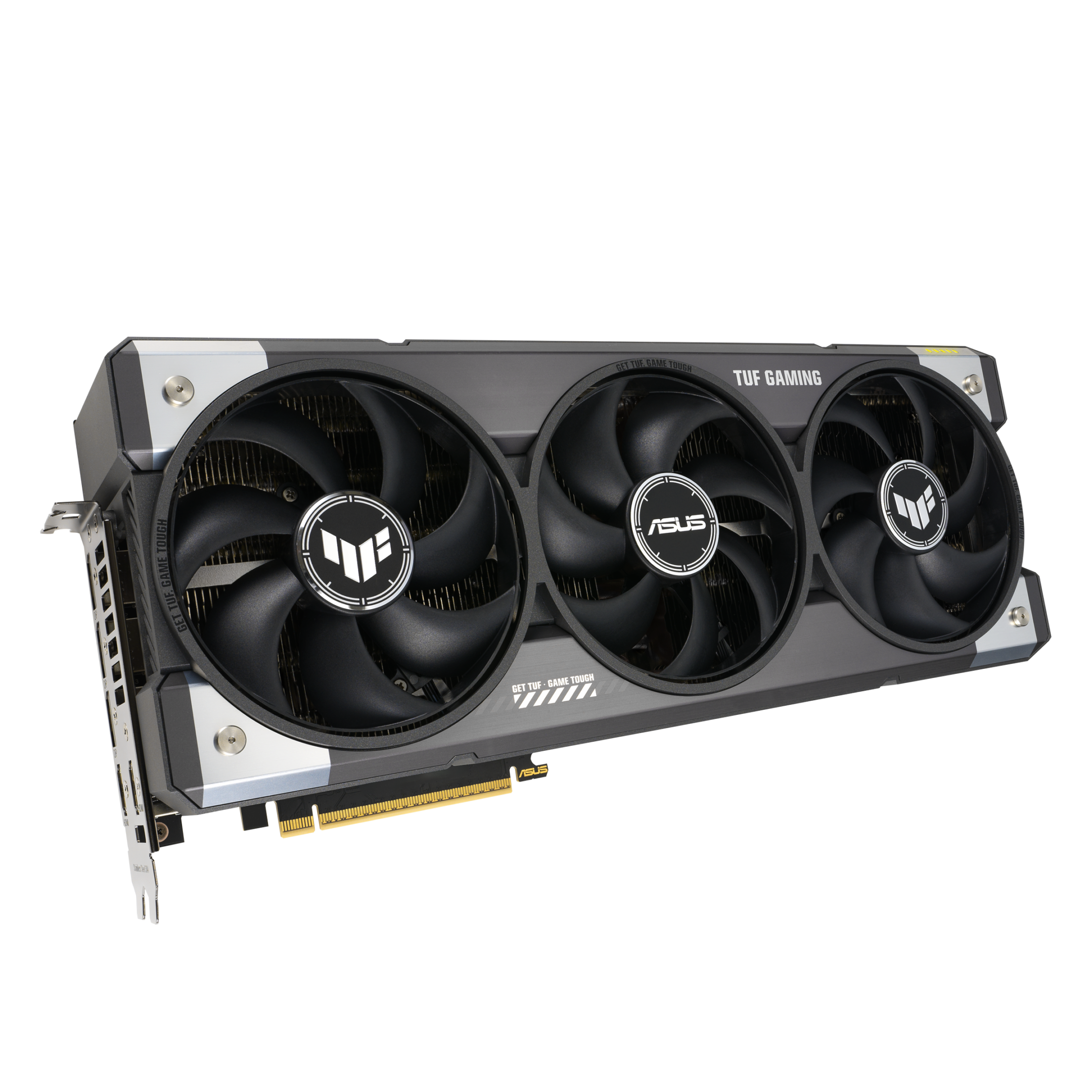
NVIDIA’s RTX 4090 set a new benchmark for consumer GPUs when it launched, dominating gaming, content creation, and AI workloads. With the arrival of the RTX 5090, expectations are naturally high. This article breaks down the key differences between the RTX 5090 and RTX 4090, focusing on performance, architecture, features, power efficiency, and who should consider upgrading.
1. Architecture: Ada Lovelace vs Blackwell
The RTX 4090 is based on Ada Lovelace, while the RTX 5090 introduces NVIDIA’s next-generation Blackwell architecture.
Key architectural improvements in RTX 5090:
- More advanced manufacturing process
- Higher transistor density
- Improved ray tracing and tensor cores
- Better AI acceleration and scheduling
What this means:
The RTX 5090 is not just faster—it’s smarter and more efficient at handling modern workloads, especially those involving AI and real-time ray tracing.
2. Performance: Raw Power and Real-World Gains
Gaming Performance
- RTX 4090: Exceptional 4K gaming, often exceeding 120 FPS in modern titles
- RTX 5090: Designed to push higher frame rates at 4K and make 8K gaming more practical
Early benchmarks and projections suggest:
- 30–50% performance uplift in rasterized gaming
- Even larger gains in ray-traced games
Ray Tracing
The RTX 5090’s updated RT cores deliver:
- Higher ray throughput
- Lower performance penalties
- More stable frame pacing
This makes heavy ray tracing modes far more usable without sacrificing image quality.
3. AI and DLSS: A Major Leap Forward
AI is where the RTX 5090 truly separates itself.
| Feature | RTX 4090 | RTX 5090 |
|---|---|---|
| DLSS Version | DLSS 3 | DLSS 4 (expected) |
| Frame Generation | Yes | Improved, AI-enhanced |
| Tensor Core Power | High | Significantly higher |
The RTX 5090 excels in:
- AI upscaling
- Content creation
- Machine learning workloads
- Generative AI applications
For users working with AI models or advanced video workflows, the RTX 5090 offers a clear advantage.
4. Memory: Capacity and Bandwidth
- RTX 4090: 24GB GDDR6X
- RTX 5090: Expected 32GB GDDR7 (or faster memory)
Why this matters:
- Better handling of massive textures
- Improved performance in 8K gaming
- Smoother workflows for 3D rendering and video editing
- Greater future-proofing
Memory bandwidth improvements alone can significantly boost performance in data-heavy tasks.
5. Power Consumption and Efficiency
- RTX 4090: ~450W TDP
- RTX 5090: Higher peak power, but improved performance-per-watt
Despite potentially higher power limits, architectural efficiency allows the RTX 5090 to deliver more performance without a proportional increase in energy usage.
Note: A high-quality power supply and strong cooling solution remain essential for both GPUs.
6. Pricing and Value
| GPU | Launch Tier |
|---|---|
| RTX 4090 | Ultra-enthusiast |
| RTX 5090 | Ultra-enthusiast (higher tier) |
The RTX 5090 is expected to:
- Launch at a premium price
- Replace the RTX 4090 at the top of NVIDIA’s lineup
For RTX 4090 owners, the upgrade is not mandatory, but for new builders or professionals, the RTX 5090 offers better long-term value.
7. Who Should Upgrade?
Upgrade to RTX 5090 if you:
- Want the best possible GPU regardless of cost
- Play at 4K high refresh rates or 8K
- Rely on ray tracing and DLSS
- Work in AI, 3D rendering, or video production
- Want maximum future-proofing
Stick with RTX 4090 if you:
- Already own one
- Play mostly at 1440p or standard 4K
- Don’t rely heavily on AI workloads
- Want top-tier performance without the premium jump
Final Verdict
The RTX 5090 is a clear technological leap over the RTX 4090, especially in AI, ray tracing, and next-generation gaming. While the RTX 4090 remains incredibly powerful, the RTX 5090 pushes the boundaries further, targeting enthusiasts and professionals who demand the absolute best.
For most gamers, the RTX 4090 is still more than enough. But for those chasing the cutting edge, the RTX 5090 represents NVIDIA’s next era of GPU performance.