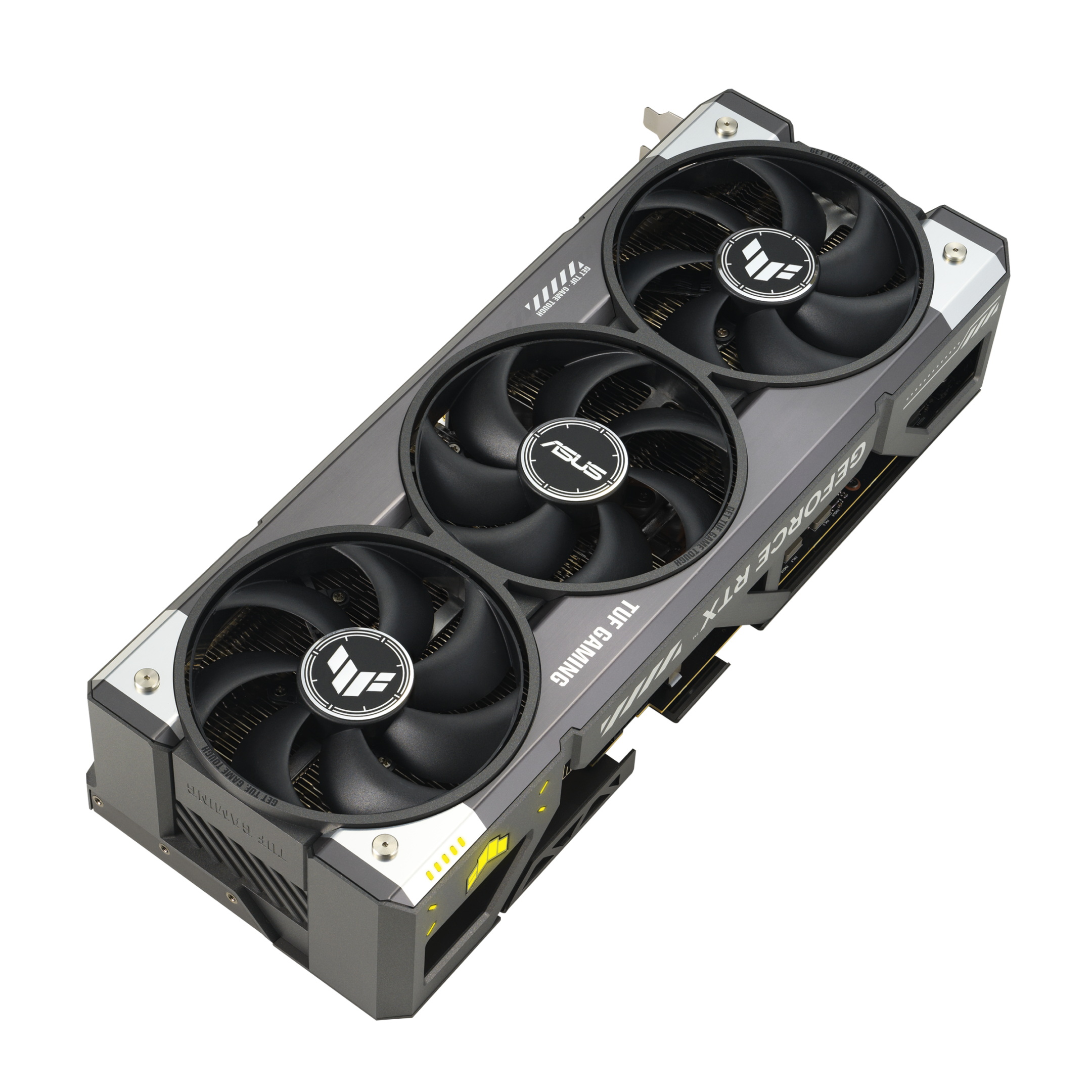
NVIDIA’s GeForce RTX 5090 and RTX 5080 represent the latest leap forward in high-performance graphics cards. Built on the new-generation Blackwell architecture, these GPUs push gaming, AI workloads, and creative performance into new territory.
If you’re considering an upgrade, here’s a complete breakdown of what makes the RTX 5090 and RTX 5080 stand out.
NVIDIA Blackwell Architecture
The RTX 50-series introduces the Blackwell GPU architecture, succeeding Ada Lovelace (RTX 40-series). Blackwell focuses heavily on:
- Improved ray tracing performance
- Next-gen Tensor cores for AI
- Enhanced power efficiency
- Faster memory bandwidth
- Advanced DLSS capabilities
This generation is designed not just for gaming, but also for AI acceleration and content creation.
RTX 5090: The Flagship Powerhouse
The RTX 5090 sits at the top of NVIDIA’s consumer GPU stack.
Key Highlights
- Massive CUDA core count
- Next-generation GDDR7 memory
- Wider memory bus for extreme bandwidth
- Designed for 4K and 8K gaming
- Advanced AI performance for creators
The 5090 targets enthusiasts who want the absolute best performance available—especially for:
- 4K ultra settings with ray tracing
- High-refresh-rate competitive gaming
- 3D rendering and AI workloads
- Video editing in 8K
It also significantly improves ray tracing throughput compared to the RTX 4090.
RTX 5080: High-End Performance for Most Gamers
The RTX 5080 delivers premium performance at a lower price point than the 5090, making it ideal for serious gamers.
Key Highlights
- Strong 4K gaming performance
- GDDR7 memory
- Improved efficiency over previous generation
- Excellent DLSS support
For most gamers, the RTX 5080 is the more practical high-end choice, offering near-flagship performance without the ultra-premium cost.
RTX 5090 vs RTX 5080: What’s the Difference?
| Feature | RTX 5090 | RTX 5080 |
|---|---|---|
| Target Resolution | 4K / 8K | 4K |
| Performance Tier | Enthusiast / Flagship | High-End |
| Memory Type | GDDR7 | GDDR7 |
| Ray Tracing | Maximum | Very High |
| Power Usage | Higher | More Efficient |
| Ideal For | Extreme gaming & creators | High-end gaming |
The RTX 5090 dominates in raw power, while the RTX 5080 offers a better balance of performance and efficiency.
DLSS and AI Improvements
A major focus of the RTX 50-series is AI acceleration.
With new Tensor cores, NVIDIA improves:
- DLSS frame generation
- Ray reconstruction
- AI upscaling
- Creative AI workflows
DLSS continues to be one of NVIDIA’s strongest advantages, boosting frame rates dramatically without sacrificing visual quality.
Power and Cooling Considerations
The RTX 5090 is a large, high-wattage card. Buyers should consider:
- A high-quality power supply
- Adequate case airflow
- Physical GPU size compatibility
The RTX 5080 is typically easier to integrate into existing high-end systems.
Should You Upgrade?
Upgrade to RTX 5090 if:
- You want the best GPU available
- You game at 4K ultra or experiment with 8K
- You do professional rendering or AI tasks
Upgrade to RTX 5080 if:
- You want strong 4K gaming
- You’re upgrading from RTX 30-series or older
- You want high-end performance without flagship pricing
If you’re already using an RTX 4090, the jump may depend on how much you value improved ray tracing and AI performance.
Final Thoughts
The RTX 5090 and RTX 5080 continue NVIDIA’s dominance in the high-end GPU market. With the Blackwell architecture, faster GDDR7 memory, and next-generation AI features, these cards are built for the future of gaming and content creation.
- The RTX 5090 is the ultimate performance card.
- The RTX 5080 is the smarter high-end choice for most gamers.
As always, consider your monitor resolution, power supply, and budget before upgrading.