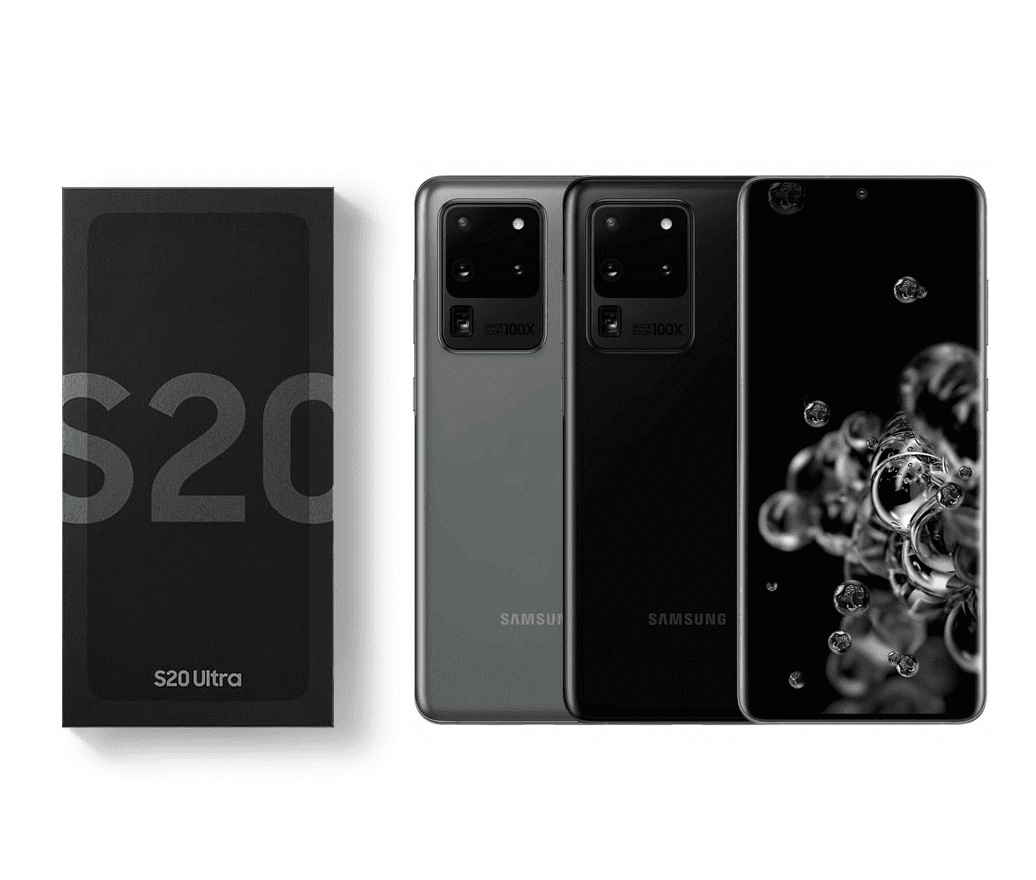
Released in early 2020, the Samsung Galaxy S20 Ultra was one of the most ambitious smartphones of its time, boasting cutting-edge specs, a massive display, and a headline-grabbing 100× Space Zoom camera. But in 2026, six years later, how well does it really hold up? This guide takes an in-depth look at its performance, software support, camera quality, battery life, and overall value today.
Quick Recap: Samsung Galaxy S20 Ultra Specs
- Display: 6.9-inch Dynamic AMOLED 2X, 120Hz
- Processor: Snapdragon 865 / Exynos 990
- RAM: 12GB or 16GB
- Storage: 128GB–512GB + microSD support
- Camera: 108MP main, 48MP periscope telephoto, 12MP ultra-wide
- Battery: 5,000mAh
- Connectivity: 5G support (sub-6GHz)
Even by modern standards, many of these specifications remain respectable.
Software Support in 2026
Android and Security Updates
The Galaxy S20 Ultra launched with Android 10 and received updates through Android 13, along with extended security patches for several years. By 2026:
- Major Android updates are no longer supported
- Security updates have ended or are extremely limited
- Some newer apps may eventually stop supporting older Android versions
While the phone still works fine for daily tasks, it lacks the latest security and privacy features found on newer devices.
Performance and Everyday Use
Is It Still Fast Enough?
For most everyday tasks—such as browsing, social media, messaging, and video streaming—the S20 Ultra still feels smooth, especially the Snapdragon 865 variant.
However:
- Heavy gaming shows its age
- Thermal throttling can occur under sustained loads
- The Exynos version lags behind in efficiency and performance
For casual users, performance remains acceptable, but power users may notice slowdowns.
Display Quality: Still a Standout
The 6.9-inch AMOLED display remains one of the S20 Ultra’s strongest features in 2026:
- Vibrant colors
- Deep blacks
- 120Hz refresh rate
Compared to modern phones, brightness and outdoor visibility are slightly behind, but the overall viewing experience is still excellent for media consumption.
Camera Performance in 2026
Still Impressive—With Caveats
The S20 Ultra’s camera system was ahead of its time, but it has aged unevenly:
Strengths
- 108MP sensor still captures detailed photos in good lighting
- Ultra-wide camera remains versatile
- 4K video recording holds up well
Weaknesses
- Autofocus issues persist
- 100× Space Zoom is largely a gimmick by today’s standards
- Night photography lags behind modern computational photography
While modern mid-range phones can match or exceed its camera performance, the S20 Ultra is still capable for casual photography.
Battery Life and Charging
The 5,000mAh battery was massive in 2020, but by 2026:
- Battery degradation is likely significant
- Expect reduced screen-on time unless the battery has been replaced
Charging speeds (25W wired) feel slow compared to modern standards, and wireless charging efficiency has improved significantly on newer devices.
Build Quality and Durability
Samsung’s premium materials—glass front and back with an aluminum frame—have aged well. The phone still feels solid and premium in hand.
However:
- No official dust resistance beyond IP68
- Large size feels bulky compared to modern slimmer designs
If well cared for, the S20 Ultra remains physically durable.
Connectivity and Features
What Still Works Well
- 5G support (sub-6GHz)
- Wi‑Fi 6
- Expandable storage via microSD
- Stereo speakers
What Feels Outdated
- No high-speed charging standards seen on newer devices
- Older fingerprint sensor compared to ultrasonic upgrades
Is the Galaxy S20 Ultra Still Worth Using in 2026?
Good Choice If You:
- Already own one and it’s in good condition
- Use your phone mainly for media, browsing, and casual photography
- Appreciate expandable storage and large displays
Not Ideal If You:
- Want the latest Android features and security updates
- Play demanding games
- Expect top-tier camera performance
Final Verdict
Yes, the Samsung Galaxy S20 Ultra still holds up in 2026—but with limitations.
It remains a capable device for everyday use, with a gorgeous display and solid performance for casual tasks. However, lack of software updates, aging battery life, and camera limitations mean it’s no longer competitive with modern flagships or even some mid-range phones.
Overall Rating in 2026: ★★★☆☆ (3/5)
For existing owners, it’s still usable. For new buyers, there are better, more secure options available—unless you’re getting it at a very low price.
Latest About The S20 Ultra
The Samsung Galaxy S20 Ultra continues to be a powerful smartphone option in 2026, even five years after its initial release. With its revolutionary camera capabilities including 100x Space Zoom and 8K video recording, this flagship device set standards that many newer phones still aspire to match. Despite being released in 2020, the S20 Ultra remains relevant with its ongoing software updates and impressive hardware specifications that continue to handle demanding tasks efficiently.
Many users report satisfaction with their S20 Ultra devices years after purchase, suggesting excellent longevity compared to other smartphones. The device continues to receive the latest Android updates, keeping it secure and feature-rich. The combination of powerful processing capabilities and premium build quality means the S20 Ultra can still compete with newer mid-range devices in many performance areas.
Key Takeaways
- The Samsung Galaxy S20 Ultra continues to receive software updates in 2026, maintaining security and adding new features.
- With its 100x Space Zoom and 8K video capabilities, the S20 Ultra’s camera system remains competitive even against newer smartphones.
- The device’s long-term durability and performance make it a viable option for users who don’t need to upgrade every year.
Technical Specifications and Features
The Samsung Galaxy S20 Ultra stands out with impressive technical capabilities across display, camera, performance, and connectivity features. This flagship device offers cutting-edge technology that pushes smartphone innovation forward.
Cutting-Edge Display and Design
The Galaxy S20 Ultra showcases a massive 6.9-inch Dynamic AMOLED 2X display with Quad HD+ resolution (3200 x 1440 pixels). This Infinity-O display provides vibrant colors and deep blacks for an immersive viewing experience.
The screen features a 120Hz refresh rate option for ultra-smooth scrolling and gaming, though this is limited to Full HD+ resolution to conserve battery. At the premium end of Samsung’s lineup, the S20 Ultra’s display is protected by Corning Gorilla Glass.
The device’s design incorporates IP68 water and dust resistance, allowing submersion in 1.5 meters of freshwater for up to 30 minutes. With dimensions of 166.9 x 76 x 8.8mm and weighing approximately 220g, the S20 Ultra has a substantial but premium feel.
Camera Capabilities
The S20 Ultra’s camera system represents one of its most impressive features:
- Main Camera: 108MP wide-angle sensor
- Ultra-Wide: 12MP with 120° field of view
- Telephoto: 48MP with optical zoom
- DepthVision: Time-of-flight sensor for improved portrait effects
- Front Camera: 40MP selfie camera
The device introduced Samsung’s 100x Space Zoom capability, combining optical zoom with AI-powered digital zoom. While maximum zoom produces usable but not perfect results, the 10-30x range delivers impressive quality.
The S20 Ultra can record video at up to 8K resolution (7680 x 4320) at 24fps. Its Bright Night mode enhances low-light photography using pixel binning technology, combining multiple pixels to capture more light.
Performance and Hardware
The Galaxy S20 Ultra is powered by either Samsung’s Exynos 990 or Qualcomm’s Snapdragon 865 chipset, depending on region. These 7nm processors deliver flagship-level performance for demanding applications and multitasking.
Memory configurations include:
- 12GB or 16GB RAM
- 128GB, 256GB, or 512GB storage
- MicroSD card support up to 1TB
The device features a 5000mAh battery, supporting all-day use even with heavy usage. Charging options include:
- 25W Super Fast Charging via USB-C
- Fast wireless charging support
- Reverse wireless charging for powering accessories
The S20 Ultra runs Samsung’s One UI interface on top of Android, with promised software updates maintaining security and adding new features over time.
Connectivity and Network Support
As one of Samsung’s first mainstream 5G phones, the S20 Ultra supports various network technologies:
- 5G: Both Sub-6GHz and mmWave bands (regional availability varies)
- 4G LTE: Cat.20
- 3G and 2G legacy networks
Additional connectivity options include:
- Wi-Fi 6 (802.11ax)
- Bluetooth 5.0
- NFC for Samsung Pay and other contactless services
- GPS, Glonass, Beidou, and Galileo positioning systems
- USB 3.2 Type-C port
The phone also features an ultrasonic in-display fingerprint sensor and facial recognition for secure authentication. Samsung Knox provides hardware-level security for protecting sensitive data.
Software and Ecosystem Enhancements
The Galaxy S20 Ultra continues to receive important software updates that enhance its performance and security. Samsung has extended support beyond what was initially promised, giving users more reasons to hold onto their devices longer.
Software Updates and OS Upgrades
Samsung has significantly improved its update policy for the Galaxy S20 series. Originally launched with Android 10 and One UI 2, the S20 Ultra has received upgrades all the way to Android 13. Most impressively, Samsung recently extended software support for the S20 series, now offering up to 7 years of updates – a dramatic increase from their previous policy.
The March 2024 security patch was rolled out to S20 Ultra devices, fixing vulnerabilities and improving system stability. These security updates are crucial for protecting user data and maintaining device performance. While major OS upgrades may be coming to an end for the S20 series, Samsung continues to deliver regular security patches.
Recent updates also focused on battery improvements and game optimization, helping to extend the device’s useful life despite being an older model.
Additional Services and Features
The S20 Ultra’s ecosystem extends beyond core OS features. Samsung DeX remains a standout capability, allowing users to connect their phone to a monitor for a desktop-like experience. This feature continues to receive refinements through software updates.
The camera system benefits from ongoing software enhancements that improve HDR10+ processing and night mode photography. Samsung has also refined the navigation experience and touch response through recent updates.
Wireless charging capabilities have seen optimization for better efficiency and compatibility with newer charging accessories. The S20 Ultra’s multimedia features continue to receive attention, with video playback improvements and better audio processing.
Samsung’s commitment to maintaining these additional services helps the S20 Ultra remain competitive even as newer models enter the market.
Frequently Asked Questions
The Samsung Galaxy S20 Ultra continues to be a topic of interest for many smartphone users in 2025. These common questions address specifications, current pricing, performance ratings, and considerations for those debating an upgrade.
What are the specifications of the Samsung Galaxy S20 Ultra?
The Samsung Galaxy S20 Ultra features a 6.9-inch Dynamic AMOLED 2X display with a 120Hz refresh rate and 3200 x 1440 resolution.
The device is powered by either a Snapdragon 865 or Exynos 990 processor depending on the region. It comes with 12GB or 16GB of RAM options and 128GB to 512GB of storage.
The camera system includes a 108MP main sensor, 48MP periscope telephoto lens with 10x hybrid optical zoom, 12MP ultrawide lens, and a depth sensor. The front camera is 40MP for high-resolution selfies.
What is the current price of the Samsung Galaxy S20 Ultra?
As of March 2025, the Samsung Galaxy S20 Ultra can be found on the secondary market for approximately $200-300, a significant drop from its original launch price of $1,399.
This price reduction reflects the phone’s age and the release of several newer Galaxy models since its debut. Some retailers may offer refurbished models with warranties at slightly higher prices.
How do reviews rate the Samsung Galaxy S20 Ultra’s performance?
Reviews continue to rate the S20 Ultra’s performance as capable even in 2025, though not competitive with current flagship devices.
The Snapdragon 865 processor still handles most daily tasks effectively. Users report that the phone manages multitasking well, though newer, demanding games may show some limitations.
Battery performance has typically degraded somewhat in units from the original 2020 release, which is expected for a device of this age.
What features distinguish the Samsung Galaxy S20 Ultra from other models?
The S20 Ultra stands out for its 108MP camera sensor and powerful 100x Space Zoom capability, features that were groundbreaking at launch.
The large 6.9-inch display with 120Hz refresh rate remains impressive even by 2025 standards. Its premium build quality with glass and metal construction also distinguishes it from mid-range options.
The device offers 5G connectivity, which has become standard but was forward-thinking when released in 2020.
What is the estimated support lifespan for the Samsung Galaxy S20 Ultra?
Samsung’s official software support for the Galaxy S20 Ultra is reaching its end in 2025. The device received three major Android OS updates as promised.
Security patches are becoming less frequent, with Samsung typically providing quarterly updates for older devices rather than monthly ones. Third-party ROM support may extend the phone’s usability beyond official support.
Users concerned about security should consider upgrading to a newer model that still receives regular security updates.
What are the pros and cons of upgrading from the Samsung Galaxy S20 Ultra to the latest model?
Pros of upgrading include significantly faster processors, improved camera capabilities with better low-light performance, and longer battery life found in newer models.
Current flagships offer extended software support, faster charging technologies, and improved display technologies including higher refresh rates and better brightness.
The main cons involve cost, as new flagships require a substantial investment compared to keeping the S20 Ultra. For users primarily using their phone for basic tasks, social media, and occasional photography, the S20 Ultra may still be adequate.