
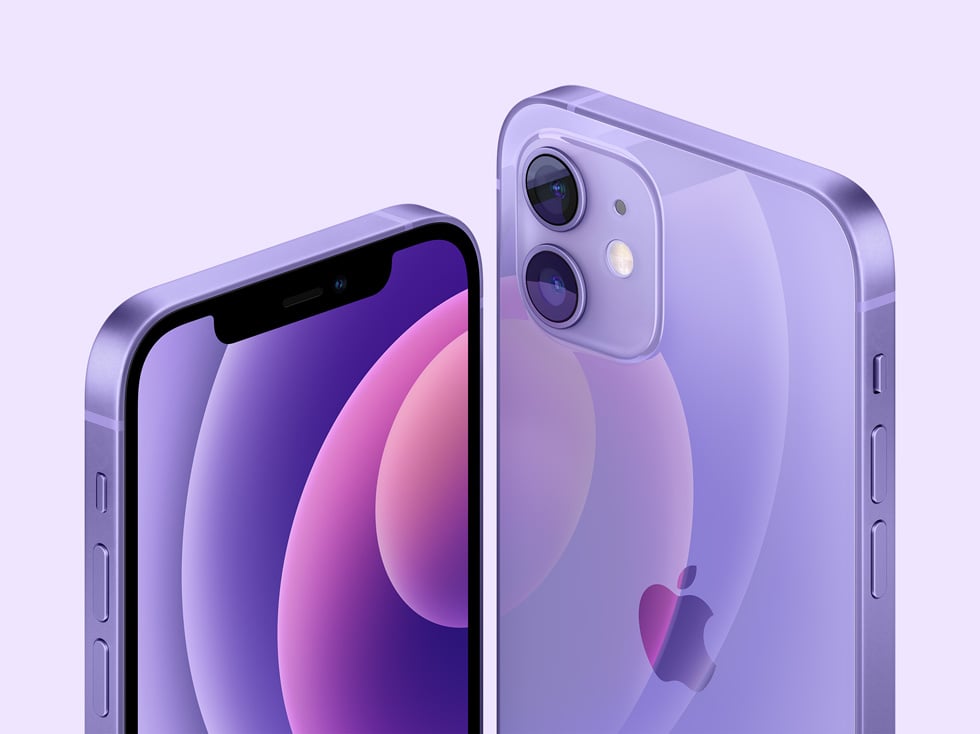
In 2026, the iPhone 12 is officially a “legacy” device. Released in late 2020, it was a landmark phone for Apple, introducing the flat-edge design, 5G connectivity, and OLED screens across the entire lineup.
But six years is a lifetime in the tech world. Here is the breakdown of whether the iPhone 12 still holds up in 2026, and how it compares to the cutting-edge iPhone 17.
The Verdict: Is it still good?
The short answer: It is a “functional” budget phone, but it is no longer a “good” daily driver for most users.
- For Basic Users: If you only use your phone for WhatsApp, light web browsing, and Spotify, the iPhone 12 is still perfectly capable.
- For Power Users/Gamers: No. The battery life, 60Hz screen, and lack of modern AI features make it feel ancient compared to newer models.
- The “AI Wall”: The biggest drawback in 2026 is that the iPhone 12 cannot run Apple Intelligence. As iOS becomes more reliant on on-device AI for Siri, writing tools, and photo editing, the iPhone 12 is left behind.
Specifications Comparison: iPhone 12 vs. iPhone 17
| Feature | iPhone 12 (2020) | iPhone 17 (2025/26) |
|---|---|---|
| Display | 6.1″ Super Retina XDR (60Hz) | 6.1″ ProMotion Display (120Hz) |
| Processor | A14 Bionic (5nm) | A19 Chip (2nm) |
| RAM | 4GB | 8GB – 12GB (Optimized for AI) |
| Main Camera | Dual 12MP (Wide/Ultrawide) | 48MP Fusion Camera |
| Selfie Camera | 12MP | 24MP with Autofocus |
| Charging Port | Lightning | USB-C (Fast Data Transfer) |
| Connectivity | 5G (Sub-6 GHz) | 5G Advanced / Wi-Fi 7 |
| AI Support | None | Full Apple Intelligence Support |
| Battery Life | ~10-12 hours real-world | ~20-24 hours real-world |
1. Performance & Software
The A14 Bionic was a beast in 2020, but in 2026, it is starting to show its age. While apps still open relatively quickly, you will notice “hiccups” when multitasking or using heavy apps.
- Software Support: 2026 is likely the final year of major iOS updates for the iPhone 12. You might get iOS 20, but it will likely be the end of the road for the device.
2. The Display Gap
The iPhone 12 has a 60Hz refresh rate. By 2026, even entry-level budget Android phones and the base iPhone 17 have 120Hz “ProMotion” displays. Once you see the smoothness of a 120Hz screen, the iPhone 12 will look “choppy” and slow by comparison.
3. Battery and Charging
This is the iPhone 12’s biggest weakness.
- Degradation: If you are using an original iPhone 12, your battery health is likely below 80%, meaning you’re charging it 2-3 times a day.
- Lightning Port: By 2026, the world has moved to USB-C. Carrying a Lightning cable feels increasingly inconvenient as iPads, MacBooks, and even your friends’ phones all use USB-C.
4. Camera Capabilities
The iPhone 12 still takes “okay” photos in daylight. However, it lacks the 48MP resolution of the iPhone 17, which allows for much better cropping and detail. It also lacks Action Mode (for stabilized video) and Photonic Engine (for better low-light shots), making its nighttime photos look noisy and blurry compared to modern standards.
Should you buy or keep it in 2026?
KEEP IT IF:
- You already own it and your budget is tight.
- You only use it for the basics.
- Note: Spend $89 on a battery replacement to give it one more year of life.
BUY IT IF:
- You find it for under $150 and need a “burner” phone or a first phone for a young child.
DON’T BUY IT IF:
- You want a phone that will last more than 12 months.
- You want to use Apple’s new AI features.
- You care about photography or battery life.
The Bottom Line: In 2026, the iPhone 12 is a relic of a pre-AI era. If you are looking for a budget option, the iPhone 15 or iPhone 16 are much better values on the used market, as they offer USB-C and significantly better longevity.
iPhone 12 Info
The iPhone 12 series marked a significant moment for Apple when it launched in late 2020. The standard iPhone 12 and iPhone 12 Pro became available for pre-order on October 16, 2020, with the official release following on October 23, 2020. The iPhone 12 mini and iPhone 12 Pro Max had a slightly later release schedule, with pre-orders beginning on November 6, 2020, and the devices hitting stores on November 13, 2020.
This staggered release approach allowed Apple to manage production and distribution more effectively during a challenging global period. The iPhone 12 lineup introduced several notable features, including 5G connectivity, a refreshed design with flat edges reminiscent of the iPhone 4 era, and improved camera capabilities. The standard iPhone 12 maintained the familiar 6.1-inch display size that Apple had established as its core offering.
Key Takeaways
- The iPhone 12 and 12 Pro released on October 23, 2020, while the 12 mini and 12 Pro Max arrived on November 13, 2020.
- Apple introduced a new flat-edge design and 5G connectivity across the entire iPhone 12 lineup.
- The iPhone 12 series came in various sizes, from the compact 12 mini to the larger 12 Pro Max with enhanced cameras.
Design and Display
The iPhone 12 series brings significant changes to Apple’s smartphone lineup with a refreshed design language and improved display technology. These updates mark an important evolution in Apple’s approach to both aesthetics and functionality.
Evolution in Design
The iPhone 12 series represents a notable design shift, returning to the flat-edge design reminiscent of the iPhone 4. This architectural change provides a more premium feel and improved grip compared to previous rounded models.
Both the iPhone 12 and iPhone 12 mini feature aerospace-grade aluminum frames with flat edges. This design choice not only creates a distinctive look but also improves durability.
A major innovation is the Ceramic Shield front cover, developed with Corning. This technology makes the iPhone 12’s display four times more resistant to damage from drops compared to previous generations.
The iPhone 12 mini maintains all design elements of its larger sibling but in a more compact form factor, appealing to users who prefer smaller devices.
Display Technology
The iPhone 12 lineup features OLED displays across all models, a significant upgrade from previous generations where only Pro models received OLED technology. These “Super Retina XDR” displays deliver deeper blacks and more vibrant colors.
The standard iPhone 12 comes with a 6.1-inch display, while the iPhone 12 mini features a 5.4-inch screen. Despite its smaller size, the mini maintains the same resolution density at 326ppi.
Both models support HDR content with a 2,000,000:1 contrast ratio and 1200 nits peak brightness when viewing HDR content. This makes videos and photos appear more lifelike.
The displays feature a resolution of 2532 x 1170 for the standard model, providing sharp text and clear images. Apple also improved the glass protection while maintaining the responsive touch experience users expect.
Performance and Features
The iPhone 12 delivers exceptional performance through its cutting-edge A14 Bionic chip, advanced camera system, and innovative software features. These elements work together to create a powerful smartphone experience that handles everything from everyday tasks to professional-grade photography.
A14 Bionic Chip
The iPhone 12 is powered by Apple’s A14 Bionic chip, the first smartphone processor built on 5-nanometer technology. This advanced chip contains a six-core CPU and four-core GPU that delivers impressive processing capabilities.
Benchmark tests show the A14 performs up to 50% faster than competing smartphone chips. The 16-core Neural Engine can complete 11 trillion operations per second, significantly enhancing machine learning tasks.
This powerful processor enables smooth multitasking, responsive gaming, and efficient battery management. The A14 also provides the necessary power for computational photography features like Deep Fusion and Night mode.
The chip’s architecture supports 5G connectivity, allowing users to experience faster download and streaming speeds where 5G networks are available.
Camera Capabilities
The iPhone 12 features a dual-camera system with 12MP wide and 12MP ultra-wide lenses. The wide camera has an f/1.6 aperture—the fastest ever on an iPhone at release—which captures 27% more light for improved low-light photography.
Night mode works on both the wide and ultra-wide cameras, plus the front camera, making evening selfies and landscapes more vibrant. Deep Fusion processes photos pixel by pixel for exceptional detail and texture.
Video capabilities are equally impressive with 4K HDR recording with Dolby Vision at 30 fps. The camera system includes:
- Ultra-wide lens: 120° field of view
- Optical image stabilization
- Smart HDR 3 for balanced exposure
- Portrait mode with advanced bokeh effects
The computational photography features leverage the A14 Bionic to produce professional-quality images without specialized equipment.
iOS and Software Updates
The iPhone 12 launched with iOS 14, introducing redesigned widgets, App Library organization, and compact call notifications. Picture-in-picture mode allows users to watch videos while using other apps.
iOS updates have continued to enhance the iPhone 12 experience. Features added since launch include:
- Improved privacy controls with App Tracking Transparency
- FaceTime enhancements including spatial audio
- Focus modes to minimize distractions
- Enhanced Siri capabilities
The device is compatible with newer iOS versions, ensuring longevity and continued feature updates. Apple typically provides software support for 5-6 years after release.
Face ID remains the primary biometric authentication method, with improvements to recognition speed even when wearing masks in later iOS updates.
Frequently Asked Questions
The iPhone 12 release marked a significant milestone in Apple’s smartphone lineup. Below are answers to common questions about this device’s availability, features, and comparisons.
When was the iPhone 12 officially made available for purchase?
The iPhone 12 and iPhone 12 Pro became available on Friday, October 30, 2020. Pre-orders for these models opened earlier that month.
The iPhone 12 mini was released slightly later, with pre-orders beginning on Friday, April 23, 2021, and the device becoming available on Friday, April 30, 2021.
Apple also introduced a purple color variant for both the iPhone 12 and iPhone 12 mini in Spring 2021, which followed the same April pre-order and availability schedule.
How does the iPhone 12 pricing compare to its launch price?
The iPhone 12 launched with a starting price of $799 for the standard model and $699 for the mini version.
Since its release, the iPhone 12’s price has decreased significantly as newer models have entered the market. Many retailers and carriers now offer refurbished or pre-owned iPhone 12 devices at substantial discounts.
The price drop follows Apple’s typical pattern of reducing previous generation iPhone prices when new models are released.
What are the distinctive features introduced with the iPhone 12?
The iPhone 12 introduced 5G connectivity to Apple’s smartphone lineup, enabling faster download and streaming speeds.
It featured a new flat-edge design reminiscent of the iPhone 4 era, moving away from the rounded edges of previous generations.
The device also introduced MagSafe technology for iPhones, allowing magnetic attachment of accessories and improved wireless charging alignment.
The iPhone 12 was the first to use Apple’s A14 Bionic chip, built on 5-nanometer process technology for improved performance and efficiency.
Can you provide a comparison between the specifications of iPhone 12 and iPhone 13?
The iPhone 12 features an A14 Bionic chip, while the iPhone 13 uses the more powerful A15 Bionic processor.
Battery life improved in the iPhone 13, addressing a limitation of the iPhone 12, which typically offered around 6 hours of screen-on time compared to longer durations in the 13 series.
Camera capabilities were enhanced in the iPhone 13 with larger sensors, while both models feature dual 12MP camera systems.
The iPhone 13 introduced Cinematic mode for video recording, which wasn’t available on the iPhone 12.
What is the lifespan expectancy of an iPhone 12 with regular use?
With regular use, an iPhone 12 can be expected to function well for 4-5 years from its release date.
Apple typically provides software updates for iPhones for about 5-6 years after release, meaning the iPhone 12 should receive updates until at least 2025-2026.
Battery performance will likely decline noticeably after 2-3 years of regular use, potentially requiring replacement for optimal performance.
Are there any significant differences in the camera capabilities between the iPhone 11 and iPhone 12?
The iPhone 12 improved upon the iPhone 11’s camera system with better low-light performance and computational photography enhancements.
Both phones feature dual 12MP camera systems, but the iPhone 12 added Night mode to the ultra-wide lens, which was a limitation in the iPhone 11.
The iPhone 12 introduced Dolby Vision HDR video recording at up to 30fps, a feature not available on the iPhone 11.
Smart HDR 3 on the iPhone 12 provided more natural-looking images compared to the Smart HDR 2 on the iPhone 11, particularly in challenging lighting conditions.