Choosing the right POS system is crucial for retail businesses looking to streamline operations and improve customer experience. A quality system can help manage inventory, process payments, and track sales data all in one place. The best retail POS systems combine user-friendly interfaces with powerful features that grow with your business.
Today’s retail environment demands technology solutions that can adapt to changing customer expectations and business needs. Modern POS systems offer features beyond simple transaction processing, including customer relationship management, employee scheduling, and detailed reporting capabilities. Finding the right fit means considering factors like cost, scalability, and compatibility with existing business tools.
1. Square POS System
Square offers a robust retail POS system designed specifically for retail businesses of all sizes. The platform combines payment processing, inventory management, and business analytics in one integrated solution.
Square’s retail-focused software helps store owners track merchandise from purchase to sale. The system allows businesses to manage stock levels across multiple locations and receive low-stock alerts to prevent inventory shortages.
The POS software includes tools for creating customer profiles and purchase histories. This feature enables retailers to develop targeted marketing campaigns and build stronger customer relationships.
One of Square’s standout features is its ability to integrate in-store and online sales channels. Retailers can easily sell through multiple channels while maintaining consistent inventory and customer records.
Square provides detailed sales reporting and analytics that help business owners identify trends and make data-driven decisions. These insights cover everything from best-selling items to peak sales periods.
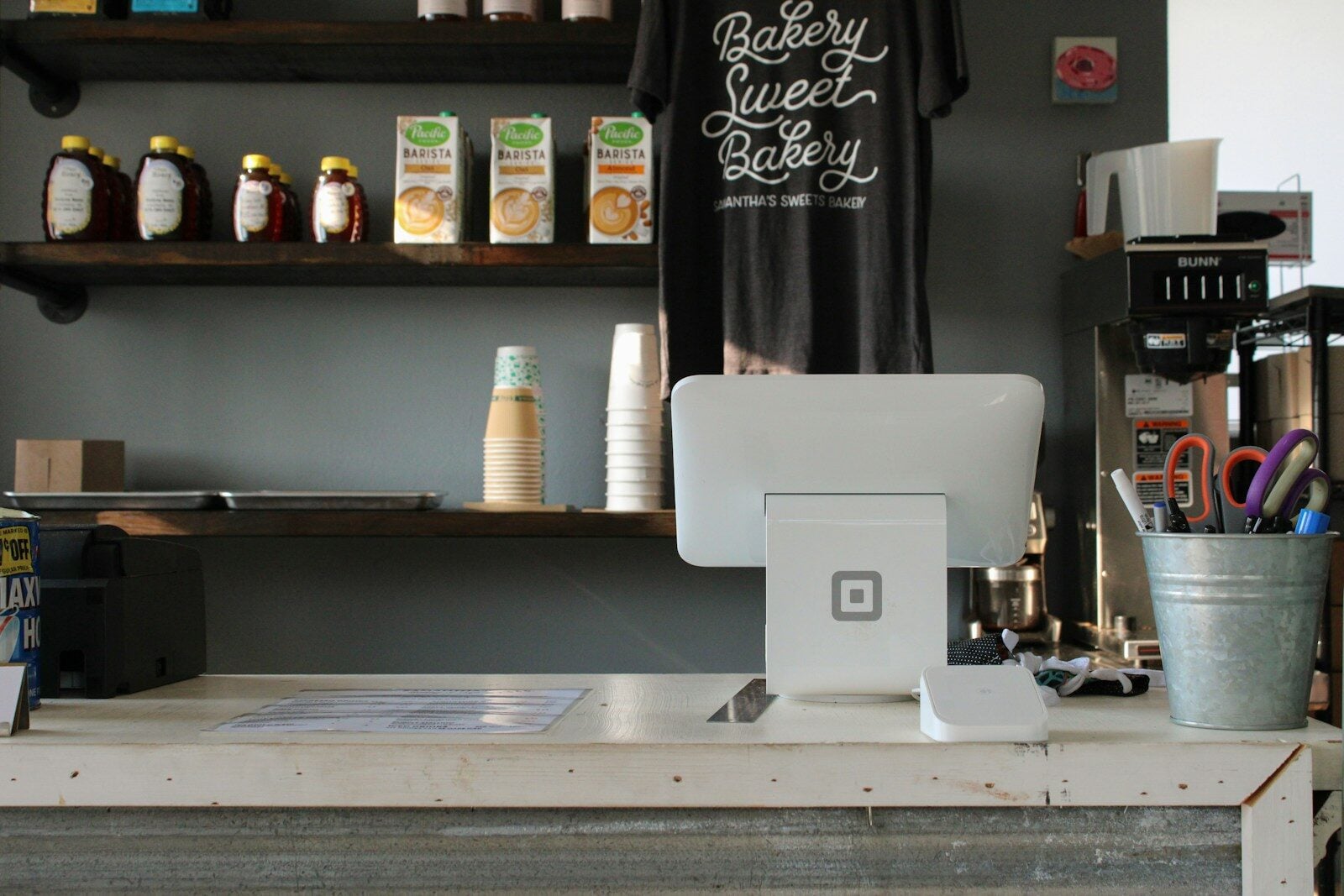
For hardware options, Square offers the fully integrated Square Register, which provides a professional checkout experience. The dual-screen setup allows customers to view their purchases while maintaining privacy during payment.
According to user discussions on Reddit, Square receives praise for its ease of use and integration capabilities. However, some users note that it may become expensive for businesses with high transaction volumes.
The Square POS system also offers appointment scheduling, invoicing, and employee management tools. These additional features allow retailers to handle multiple aspects of their business through a single platform.
Square’s pricing structure includes both free and paid tiers, with the retail-specific package offering more advanced inventory features. The company charges payment processing fees for each transaction regardless of the plan selected.
2. Lightspeed Retail POS
Lightspeed offers a comprehensive retail POS system that helps store owners manage their business operations efficiently. The cloud-based platform combines sales processing, inventory management, and customer relationship tools in one interface.
Store managers can track inventory across multiple locations with Lightspeed’s system. The platform allows businesses to manage suppliers and purchase orders directly through the software, helping maintain optimal stock levels.
The POS system includes payments processing that integrates seamlessly with the sales functions. This creates a smoother checkout experience for both customers and staff, reducing wait times and improving service.
Lightspeed’s retail solution supports both in-store and online sales channels. Businesses can synchronize inventory across physical and digital storefronts, providing customers with a consistent shopping experience regardless of how they choose to shop.
The commerce platform includes reporting features that give retailers insight into sales performance, inventory turnover, and customer purchasing patterns. These analytics help store owners make data-driven decisions to improve profitability.
Employee management tools within the system allow for staff scheduling, performance tracking, and permission settings. Managers can assign appropriate access levels to different team members based on their roles.
Lightspeed is recognized as one of the best POS systems for retail businesses in 2025. Its feature-rich software includes numerous automations that help streamline daily operations.
The system offers multiple integrations with other business tools and services. This extensibility allows retailers to connect their POS with accounting software, marketing platforms, and other essential business applications.
Lightspeed’s retail POS aims to create a seamless shopping experience for customers while simplifying backend operations for store owners. The intuitive interface requires minimal training for staff to operate effectively.
3. Shopify POS
Shopify POS is a comprehensive point-of-sale system designed specifically for retail businesses. It seamlessly connects in-store and online sales, making it easier for retailers to manage their entire business from one platform.
The system allows retailers to accept payments anywhere they sell: in physical stores, websites, social media, and through digital marketplaces. This flexibility makes Shopify POS an attractive option for businesses with multiple sales channels.
One standout feature of Shopify POS is its inventory management capability. The system automatically syncs inventory across all sales channels, preventing overselling and providing real-time stock updates.
Customer management is another strong point of the Shopify system. It helps businesses build relationships with shoppers by tracking purchase history and preferences, enabling more personalized service and marketing.
Shopify offers different POS hardware options to match various business needs. These include card readers, cash drawers, receipt printers, and barcode scanners that integrate smoothly with the software.
The Shopify POS system comes in two versions: Shopify POS Lite and Shopify POS Pro. The Lite version is included with all Shopify plans, while the Pro version offers additional retail-specific features for an extra monthly fee.
For retailers seeking a dedicated retail solution, Shopify’s retail POS provides specialized tools for in-person selling. These tools help streamline operations from checkout to inventory management.
Pricing for Shopify POS varies based on the selected plan. The company’s transparent pricing structure makes it easier for businesses to choose an option that fits their budget and needs.
The system also offers detailed sales reporting and analytics, giving retailers valuable insights into their business performance. These insights can help inform inventory decisions and marketing strategies.
4. EkiKart POS
EkiKart POS stands out as an excellent solution for retail businesses of all sizes. This system combines powerful features with user-friendly design, making it accessible even for store owners with limited technical experience.
The platform offers comprehensive inventory and product management tools specifically designed for retail environments. These features help business owners track stock levels, manage product information, and streamline ordering processes.
One of EkiKart’s main advantages is its low card processing rates, making it particularly attractive for small retail businesses looking to minimize transaction costs. This can lead to significant savings over time compared to competitors with higher processing fees.
The system includes advanced revenue generation tools that help retailers increase sales and improve customer relationships. These tools provide valuable insights into purchasing patterns and customer preferences.
EkiKart POS offers an easy-to-implement loyalty program that encourages repeat business. Store owners can quickly set up customized rewards that match their specific customer base and business goals.
The system is versatile enough to serve various retail business types, including grocery stores, boutiques, and specialty shops. This flexibility makes it a practical choice for entrepreneurs managing diverse retail operations.
EkiKart balances simplicity, functionality, and affordability in its POS solution. This combination addresses the most common challenges faced by retail businesses without overwhelming users with unnecessary complexity.
While primarily known for retail applications, the EkiKart system also serves restaurants and food service businesses. This makes it particularly valuable for hybrid businesses that combine retail and food service operations.
The all-in-one business approach eliminates the need for multiple separate systems to manage different aspects of retail operations. This integration reduces administrative overhead and provides a more cohesive view of business performance.
5. MaxxPay Cloud POS
MaxxPay Cloud POS offers retailers an all-encompassing management system designed to streamline operations. This cloud-based solution allows business owners to access their system remotely while monitoring inventory in real-time.
The platform stands out as a versatile and adaptable solution suitable for various retail environments. Store managers appreciate how MaxxPay handles everything from inventory tracking to sales reporting without requiring extensive technical knowledge.
One notable advantage is its cost-effectiveness. MaxxPay provides a complete POS solution at a fraction of the cost compared to many competing systems on the market. This makes it particularly attractive for small to medium-sized retail businesses with budget constraints.
The cloud-based technology ensures data security while enabling faster transaction processing. Retailers can serve customers more efficiently, potentially increasing their daily sales volume and improving the overall shopping experience.
For small businesses specifically, MaxxPay offers remote access capabilities that allow owners to monitor operations even when they’re away from the store. This feature provides peace of mind and greater flexibility in managing the business.
The system’s intuitive interface reduces training time for new employees. Staff members can typically learn the basics in a single session, allowing them to focus on customer service rather than struggling with complicated technology.
Inventory management is another strength of MaxxPay Cloud POS. The system tracks stock levels automatically and can alert managers when items need reordering, helping prevent both overstocking and stockouts.
MaxxPay also integrates with various payment processing options, giving customers flexibility in how they pay. This adaptability helps retailers meet the evolving expectations of today’s shoppers who demand convenient payment methods.
6. SpotOn Retail POS
SpotOn offers a specialized POS system designed specifically for retail businesses. The SpotOn Terminal is built for small-box retailers, providing an all-in-one solution that fits various retail environments.
The system features a DIY setup that makes implementation straightforward for shop owners. This means less time spent on complex installations and more time focusing on customers and sales.
A standout feature of SpotOn’s retail POS is its offline mode capability. This ensures business operations can continue even during internet outages, preventing lost sales during connectivity issues.
The platform processes payments quickly, which helps reduce customer wait times at checkout. Fast transactions lead to improved customer satisfaction and can increase the number of sales processed during busy periods.
SpotOn combines point-of-sale functionality with integrated marketing tools, allowing retailers to engage with customers beyond the checkout experience. These tools help build customer loyalty and drive repeat business.
The system operates on an easy-to-use handheld device, making it versatile for different store layouts. Staff can process sales from anywhere in the store, creating a more fluid shopping experience.
SpotOn’s pricing structure offers flexibility with hardware that adapts to specific retail needs. This customization helps businesses only pay for features they actually need.
Customer support is available 24/7/365, providing retailers with assistance whenever issues arise. This level of support minimizes downtime and ensures smooth daily operations.
The company has received recognition for its strong analytics capabilities, giving retail owners valuable insights into sales patterns, inventory performance, and customer preferences. These insights help inform business decisions and inventory management.
7. Clover POS System
Clover offers a comprehensive retail POS system designed specifically to help retail shops manage their operations efficiently. The system combines hardware and software solutions to streamline payment processing, inventory management, and other essential retail functions.
The Clover system comes in various hardware configurations to suit different retail environments. Retailers can choose from compact countertop terminals or larger 14″ touchscreen terminals paired with customer-facing screens for a better checkout experience.
One of the standout features of Clover is its ability to handle both in-store and online payments. This flexibility allows retailers to create a unified sales system across multiple channels, which is increasingly important in today’s retail landscape.
Clover’s POS software includes robust inventory management capabilities that help retailers track stock levels, set up automatic reordering, and analyze product performance. This helps prevent stockouts and overstock situations that can impact profitability.
Employee management is another strong point of the Clover system. Retailers can track staff hours, manage schedules, and set different permission levels for various employees, providing greater control over operations.
The system also includes customer engagement tools that enable retailers to build loyalty programs, gather feedback, and create targeted marketing campaigns. These features help build stronger relationships with customers and encourage repeat business.
Clover’s reporting and analytics provide valuable insights into sales trends, helping retailers make data-driven decisions. The dashboard offers clear visibility into business performance metrics that matter most.
Many business owners appreciate Clover’s consistent pricing rates and transparent fee structure. The company offers several pricing plans to accommodate retailers of different sizes and needs.
According to business.com, Clover ranks highly among POS systems for retail businesses with an impressive editor’s rating of 9.7/10, making it one of the top contenders in the market.
8. Toast POS for Retail
Toast POS offers a unified solution for retail businesses that combines foodservice and retail operations. The system is designed to be flexible and can adapt to changing business needs, making it a good choice for evolving retail operations.
Toast has expanded its capabilities to become a first-class retail POS system with investments in inventory management features. Their platform includes support for essential retail hardware like scanners and scales.
Retailers appreciate Toast’s easy-to-use interface for managing items. The system allows businesses to create new SKUs quickly and efficiently, streamlining product management processes.
One standout feature of Toast’s retail offering is that it’s an all-in-one platform. This integration helps businesses avoid the hassle of using multiple systems for different aspects of their operations.
Toast’s retail POS system is particularly beneficial for businesses that have both retail and food service components. For example, cafés that sell merchandise or grocery stores with prepared food sections can manage both sides of the business from one system.
The platform offers detailed sales reporting and analytics that help retail businesses make informed decisions. Managers can track inventory levels, monitor top-selling items, and identify trends that affect their bottom line.
For customer management, Toast provides tools to build shopper loyalty and improve the guest experience. These features contribute to better customer retention and increased sales over time.
Toast’s cloud-based architecture means retailers can access their business data from anywhere. This flexibility is valuable for owners who need to monitor operations remotely or manage multiple locations.
The company provides implementation support and training resources to help retailers get up and running quickly. Their customer service team is available to assist with technical issues that may arise.
9. Vend by Lightspeed
Vend has become part of the Lightspeed family, combining their resources to provide an enhanced retail POS system. This merger has strengthened the platform that thousands of businesses already trusted and relied upon.
The Vend by Lightspeed POS system offers comprehensive inventory management capabilities. Retailers can easily track stock levels, manage suppliers, and organize products across multiple locations from a single platform.
Team management is another strong feature of this system. Store owners can monitor employee performance, set permissions, and manage schedules efficiently. This helps maximize team happiness and productivity.
The platform provides a fast and intuitive interface that simplifies daily operations. Cashiers can process transactions quickly, which improves customer satisfaction and reduces wait times during busy periods.
Vend by Lightspeed works particularly well for retailers with multiple branches. The system synchronizes data across all locations, giving management a complete view of the entire business operation from anywhere.
Payment processing is streamlined with rates starting at 2.6% plus 10 cents per transaction. This competitive pricing structure helps businesses manage costs while providing customers with flexible payment options.
The POS system integrates seamlessly with various e-commerce platforms. This omnichannel approach allows retailers to manage both physical and online stores from one central system.
Retailers appreciate the detailed reporting and analytics tools available. These features provide valuable insights into sales trends, inventory performance, and customer behavior to guide better business decisions.
Customer support is comprehensive, ensuring businesses can get help when needed. The expanded resources from the Lightspeed acquisition have enhanced the support options available to users.
10. Revel Systems POS
Revel Systems offers a robust cloud-based POS system designed for retail businesses of various sizes. The platform runs on iPads, making it accessible and user-friendly for staff members.
This system was one of the first cloud-based POS solutions on the market. It provides retailers with flexibility to serve customers from any location while increasing service speed and improving customer retention.
Revel’s comprehensive dashboard integrates both front-of-house and back-of-house operations. This integration helps retailers manage all aspects of their business from a single interface, reducing the need for multiple software solutions.
The platform includes powerful inventory management capabilities that help retailers track stock levels in real-time. This feature is particularly valuable for businesses that need to maintain accurate inventory counts across multiple locations.
Customer management tools are another key component of Revel Systems. These features allow retailers to build customer profiles, track purchase history, and implement loyalty programs to encourage repeat business.
Revel Systems is particularly well-suited for mid to large-sized retail businesses. Its extensive feature set and scalability make it appropriate for growing operations that need a system capable of expanding with their business.
The platform’s cloud-based architecture provides significant resilience for retail operations. This design ensures that businesses can continue serving customers even during internet outages or other technical difficulties.
Retailers can access comprehensive reporting tools through Revel’s system. These analytics help business owners make data-driven decisions about inventory, staffing, and marketing strategies.
Revel Systems integrates with numerous third-party applications, allowing retailers to connect their POS with accounting software, e-commerce platforms, and other business tools. This connectivity creates a more streamlined operation for multi-channel retailers.
Key Features of Retail POS Systems
Modern retail POS systems offer much more than just processing transactions. The right system provides tools that streamline operations, boost sales, and improve customer satisfaction through essential functionality.
Inventory Management
Effective inventory management is the backbone of retail success. Modern POS systems track stock levels in real-time, automatically updating whenever items are sold or received. This prevents overselling and helps maintain optimal inventory levels.
Many systems offer automated reordering when stock reaches predetermined thresholds. This feature saves time and ensures popular products stay available for customers.
Advanced POS solutions provide detailed insights into which products are selling well and which aren’t performing. Retailers can track:
- Product turnover rates
- Seasonal trends
- Items nearing expiration dates
- Stock across multiple locations
Multi-location businesses benefit from inventory synchronization features that allow easy transfers between stores. Inventory tracking also helps prevent theft and shrinkage by maintaining accurate counts.
Sales Reporting and Analytics
Data-driven decision making is essential for retail growth. Quality POS systems deliver comprehensive reports on sales performance across various dimensions.
Retailers can analyze sales by:
- Time period (hourly, daily, monthly)
- Product category
- Individual staff member
- Location
- Payment method
These insights help identify peak selling times, top-performing products, and strongest sales associates. Sales reporting features also track profit margins and help optimize pricing strategies.
Real-time dashboards give merchants immediate visibility into daily performance. This allows for quick adjustments to staffing, promotions, or inventory based on current trends.
Export capabilities make it easy to share reports with stakeholders or integrate data with accounting software. Many systems also offer customizable reports to focus on metrics most relevant to specific business needs.
Customer Relationship Management
Building loyal customers drives repeat business and increases lifetime value. POS systems with strong CRM capabilities collect and organize customer data to enhance relationships.
Most systems can store:
- Purchase history
- Contact information
- Birthdays and anniversaries
- Product preferences
- Loyalty program status
This information enables personalized customer experiences through targeted marketing campaigns and special offers. Staff can access customer profiles during checkout to provide more informed service.
Loyalty programs integrated directly with POS systems automatically track points, rewards, and redemptions. This encourages repeat business and provides valuable data about purchasing patterns.
Email marketing tools within many POS platforms allow retailers to send automated messages based on purchase behavior or important dates. Some systems also facilitate feedback collection to help improve products and services.
Integrations and Compatibility
A retail POS system must work seamlessly with your existing tools and platforms. Strong integration capabilities ensure your business operations run smoothly without data silos or manual reconciliation.
E-commerce Platform Integration
Modern retail businesses need POS systems that connect with their online stores. Top retail POS solutions offer integrations with popular e-commerce platforms like Shopify, WooCommerce, BigCommerce, and Magento. These integrations allow for synchronized inventory management across physical and digital storefronts.
When your POS connects with your online store, product information, inventory levels, and customer data flow automatically between systems. This prevents overselling and ensures pricing consistency.
Shopify POS stands out for its native integration with its e-commerce platform, while systems like PayPal POS offer connections to multiple platforms including WooCommerce, BigCommerce, Shopify, and Magento.
Look for POS systems that offer real-time synchronization rather than batch updates for the most accurate inventory management.
Payment Gateway Compatibility
Your POS system must support the payment methods your customers prefer to use. The best retail POS solutions integrate with multiple payment processors and accept various payment types.
Most systems support traditional credit/debit cards, but increasingly customers expect options like:
- Mobile payments (Apple Pay, Google Pay)
- Contactless payments
- Gift cards
- Buy-now-pay-later services
POS Nation, Square, and Clover offer excellent payment gateway flexibility. These systems allow merchants to choose their preferred payment processor or use the built-in processing services.
Payment gateway fees can significantly impact your bottom line, so compare processing rates when evaluating POS systems. Some providers offer flat-rate pricing while others use interchange-plus models.
Ensure your chosen system complies with current payment security standards (PCI-DSS) to protect customer data.
Frequently Asked Questions
Retailers looking for the right POS system often have similar concerns about features, compatibility, and support options. Understanding these key aspects can help store owners make informed decisions that align with their specific business needs.
What factors should be considered when selecting a POS system for retail businesses?
When selecting a retail POS system, businesses should first evaluate their specific needs based on store size and sales volume. Cost is a major consideration, including initial hardware expenses, monthly software fees, and transaction processing rates.
The system’s ease of use matters greatly for employee training and daily operations. Staff should be able to navigate the interface quickly with minimal training time.
Integration capabilities with existing business tools like accounting software, e-commerce platforms, and inventory systems are essential for seamless operations. Retailers should also consider if the POS was designed specifically for retail rather than being a general-purpose system.
Can you highlight the key differences between popular POS systems like QuickBooks, Square POS, and Clover POS?
Square POS stands out for its simplicity and free entry-level plan. It offers flat-rate pricing and works well for smaller retailers with straightforward needs. The hardware is affordable and the system is known for its intuitive interface.
QuickBooks POS integrates deeply with QuickBooks accounting software, making it ideal for businesses already using this ecosystem. It offers strong financial reporting but typically requires larger upfront hardware investments.
Clover POS provides versatile hardware options with a user-friendly interface and extensive app marketplace. It offers more customization than Square but comes with higher processing fees and hardware costs in some cases.
Each system offers different pricing structures, with Square focusing on pay-as-you-go models while others may require more substantial commitments or contracts.
How do POS systems integrate with inventory management for retail stores?
Modern retail POS systems offer real-time inventory tracking that updates automatically with each sale. This prevents overselling and provides accurate stock levels across all sales channels.
Advanced systems enable automated purchase order creation when inventory falls below preset thresholds. This feature helps prevent stockouts of popular items and maintains optimal inventory levels.
Many POS solutions include barcode scanning capabilities for efficient receiving and can track inventory across multiple store locations. Some systems also offer vendor management features to streamline the ordering process and detailed reporting capabilities to identify best-selling products and slow-moving inventory.
Are there any POS systems available that cater specifically to the needs of small retail businesses?
Square POS is highly regarded for small retailers due to its free basic plan and simple pricing structure. The low startup costs and minimal monthly fees make it accessible for businesses with tight budgets.
Lightspeed Retail offers tailored solutions for small specialty retailers with features like detailed inventory management and customer profiles. Their small business plans provide advanced features without overwhelming complexity.
Shopify POS works exceptionally well for retailers who already sell online through Shopify, creating a unified system for both in-store and online sales. Small retailers can select industry-specific solutions that address their unique business requirements without paying for unnecessary features.
What customer support options are typically offered by leading POS system providers for retail?
Most premium POS providers offer 24/7 phone support for urgent technical issues. This ensures help is available even during weekend or evening retail hours when many stores are busiest.
Email and chat support are standard across most platforms, with varying response times. Higher-tier plans often receive priority support with faster response times and dedicated account representatives.
Many providers include comprehensive knowledge bases, video tutorials, and community forums for self-service support. Some offer onboarding assistance and training sessions when setting up the system, which can be crucial for smooth implementation.
What features should a retail POS include to enhance customer experience and streamline operations?
Customer relationship management tools help retailers track purchase history and preferences. These features enable personalized marketing and loyalty programs that encourage repeat business.
Mobile checkout capabilities allow staff to process payments anywhere in the store, reducing lines during busy periods. This flexibility improves the shopping experience and can increase sales conversion rates.
Detailed reporting and analytics help retailers identify trends and make data-driven decisions. Key metrics like sales by hour, employee performance, and inventory turnover provide actionable insights for business improvement.
Cloud-based access enables owners to view store performance and make adjustments from anywhere, providing flexibility and better oversight of store operations even when not physically present.