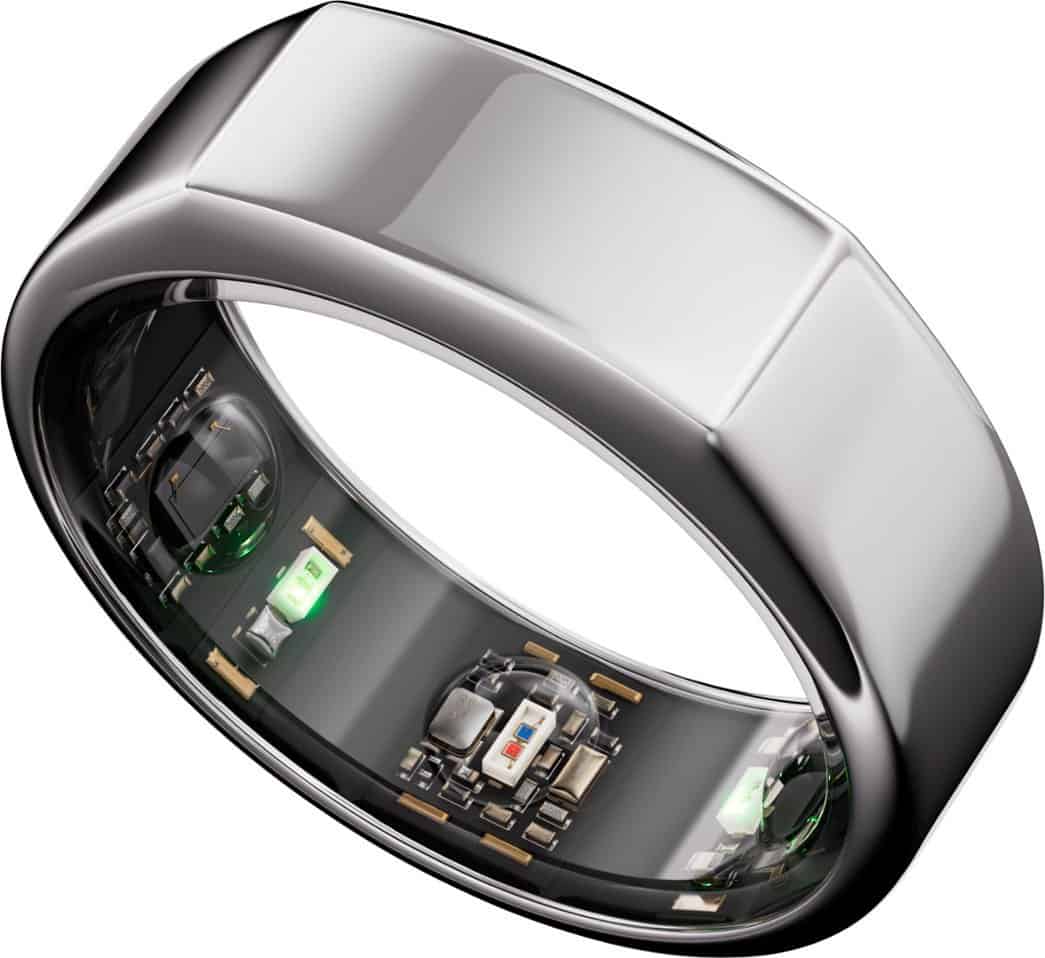
Sleep tracking technology has evolved significantly, with smart rings now leading the way in providing comprehensive sleep insights. These compact wearables offer a non-intrusive alternative to bulky watches and wristbands. The latest smart rings on the market, like the Oura Ring 4, provide detailed analysis of sleep stages, heart rate variability, and body temperature while you rest.
These innovative rings work by using tiny embedded sensors that collect vital data throughout the night. The Oura Ring 4, released recently, has improved its technology with quicker charging abilities and enhanced health tracking features. Other options like the RingConn Gen 2 Air offer similar capabilities at a more affordable price point and without requiring ongoing subscriptions.
For those serious about understanding their sleep patterns, these rings connect to smartphone apps that display easy-to-understand metrics about sleep quality. The technology helps users identify factors affecting their rest and make adjustments to improve overall health. Many people find these discreet devices more comfortable for overnight wear than traditional fitness trackers.
Latest About Sleep Tracker Rings
Sleep tracker rings have become a popular wearable technology in 2025, offering a discreet and convenient way to monitor sleep quality, patterns, and overall health. Unlike bulky wristbands or smartwatches, these rings combine advanced sensors with sleek design, making them a favorite for users who want accurate sleep data without sacrificing comfort.
This guide covers the latest developments, top models, features, and what to consider when choosing a sleep tracker ring.
What Are Sleep Tracker Rings?
Sleep tracker rings are smart rings equipped with sensors that monitor physiological signals such as heart rate, heart rate variability (HRV), blood oxygen levels (SpO2), movement, and skin temperature. They analyze these metrics to provide detailed insights into your sleep stages (light, deep, REM), sleep duration, and disturbances.
Key Features of 2025 Sleep Tracker Rings
- Polysomnography-Level Accuracy: Many rings now approach clinical-grade accuracy for sleep stage detection, validated against polysomnography (PSG) tests.
- Multi-Sensor Arrays: Combining PPG (photoplethysmography), accelerometers, temperature sensors, and SpO2 monitors.
- AI Sleep Coaching: Personalized recommendations based on sleep trends and lifestyle data.
- Long Battery Life: Ranging from 5 to 7+ days per charge.
- Lightweight and Comfortable: Designed for all-night wear without discomfort.
- Water Resistance: Suitable for daily wear including showers.
- Companion Apps: Detailed analytics, trend tracking, and integration with health platforms like Apple Health and Google Fit.
- Additional Health Metrics: Some also track stress, readiness scores, respiratory rate, and detect apnea events.
Top Sleep Tracker Rings in 2025
1. Oura Ring Generation 4
- Industry leader with clinically validated accuracy.
- Tracks sleep stages, HRV, SpO2, temperature, and respiratory rate.
- AI-driven sleep and readiness insights.
- Battery life: ~7 days.
- Strong app ecosystem with actionable insights.
2. Samsung Galaxy Ring
- Integrates with Samsung Health ecosystem.
- Advanced sensors for sleep and health monitoring.
- Real-time SpO2 and heart rate tracking.
- Battery life: ~5 days.
- Sleek design with customizable options.
3. Ultrahuman Ring Air
- Focus on metabolic health alongside sleep tracking.
- Tracks sleep quality, HRV, and SpO2.
- AI coaching tailored to optimize recovery.
- Battery life: ~6 days.
- Lightweight and minimalistic design.
4. RingConn Gen 2
- Emphasizes sleep apnea detection and respiratory metrics.
- Multi-sensor array for detailed sleep analysis.
- Integrates with multiple health platforms.
- Battery life: ~5-6 days.
- User-friendly app with detailed reports.
What to Consider When Choosing a Sleep Tracker Ring
| Factor | What to Look For |
|---|---|
| Accuracy | Clinically validated devices are preferable. |
| Comfort & Fit | Lightweight, adjustable sizing, and breathable design. |
| Battery Life | Longer battery life means less frequent charging. |
| App & Ecosystem | Intuitive app with actionable insights and integration with your health apps. |
| Additional Features | Metrics like SpO2, respiratory rate, and readiness scores add value. |
| Price | Most quality rings range from $200 to $400. |
| Water Resistance | Important for everyday wear including showers. |
Benefits of Using Sleep Tracker Rings
- Non-intrusive and comfortable for all-night wear.
- More accurate sleep stage tracking compared to wrist-based trackers.
- Helps identify sleep disorders early.
- Provides personalized guidance to improve sleep and recovery.
- Tracks long-term trends to optimize lifestyle and health.
Limitations to Keep in Mind
- Not a medical device; should not replace professional sleep studies.
- Some users may find sizing or wearing rings uncomfortable.
- Data accuracy can vary with movement or improper fit.
- Battery needs regular charging, though less frequent than wristbands.
Conclusion
Sleep tracker rings in 2025 offer a compelling blend of comfort, style, and advanced health monitoring. Whether you want to improve sleep quality, track recovery, or monitor overall wellness, these devices provide detailed insights with minimal intrusion. The Oura Ring 4 remains the gold standard, but newer competitors like Samsung Galaxy Ring and Ultrahuman Ring Air are strong alternatives depending on your ecosystem and needs.
References & Further Reading
- CompareSmartRings: Best Sleep Smart Rings 2025
- BestSleepRings.com
- Wirecutter: Best Sleep Trackers 2025
- Women’s Health Magazine: Best Sleep Trackers 2025
Key Takeaways
- Smart rings provide detailed sleep tracking with less bulk than traditional wearables, measuring heart rate, body temperature, and movement patterns.
- The latest models like Oura Ring 4 and RingConn Gen 2 Air offer improved features including faster charging and subscription-free options.
- Sleep tracking rings connect to smartphone apps that translate collected data into actionable insights for improving sleep quality and overall health.
Evolving Landscape of Sleep-Tracking Technology
Sleep monitoring technology has rapidly advanced in recent years, with devices becoming smaller, more accurate, and increasingly sophisticated in the data they collect and analyze. These innovations have transformed how people understand and improve their sleep quality.
Advancements in Wearable Technology
The market for sleep-tracking wearables has expanded dramatically, moving beyond basic motion detection to comprehensive health monitoring. The Oura Ring leads innovation as a discreet smart ring that tracks detailed sleep stages, body temperature, and heart rate variability without the bulk of traditional devices.
Smart rings represent a growing segment that prioritizes comfort during sleep. Unlike wristbands, these devices don’t interfere with natural sleeping positions and can gather data continuously.
Advanced sensors and AI algorithms now enable devices to monitor REM, light, and deep sleep phases with improved accuracy. Many newer models also track breathing patterns and blood oxygen levels during sleep.
Battery life has significantly improved, with some devices like the Oura Ring offering up to 7 days of continuous monitoring between charges.
Comparison of Sleep-Tracking Devices
Smart Rings vs. Wristbands
| Device Type | Comfort | Battery Life | Data Detail | Price Range |
|---|---|---|---|---|
| Smart Rings (Oura) | High | 5-7 days | Comprehensive | $299-$399 |
| Fitness Trackers (Amazfit) | Medium | 7-14 days | Moderate | $50-$150 |
| Smartwatches (Apple Watch SE) | Medium | 1-2 days | Extensive | $249-$329 |
The Oura Ring excels in sleep analysis, providing detailed breakdowns of sleep architecture and readiness scores based on recovery metrics. Its non-intrusive design makes it popular among serious sleep trackers.
Fitness trackers like Amazfit offer affordable alternatives with basic sleep tracking features that monitor duration and restlessness. These devices balance cost with functionality.
The Apple Watch SE provides integrated sleep tracking as part of its broader health ecosystem. Though requiring more frequent charging, it offers comprehensive health monitoring beyond just sleep.
Many devices now sync with smartphone apps that provide personalized insights and recommendations to improve sleep quality based on individual patterns and trends.
Insights into Sleep Patterns and Health Metrics
Sleep tracker rings provide valuable insights into sleep patterns and health metrics that can help users understand their bodies better. These devices collect data throughout the night to give a comprehensive picture of sleep quality and how it connects to overall health.
Interpreting Sleep Data for Improved Health
Sleep tracking rings collect detailed information about sleep cycles, including light, deep, and REM sleep stages. Users can see how long they spend in each stage and whether they’re getting enough restorative deep and REM sleep.
Most rings display this data through simple charts and graphs in companion apps. They often include a sleep score that rates overall sleep quality based on duration, efficiency, and time spent in different sleep stages.
Understanding these patterns helps users identify problems like frequent night waking or insufficient deep sleep. Many rings also track heart rate variability during sleep, which can indicate stress levels and recovery status.
Some advanced models like the Oura Ring 4 monitor blood oxygen levels and body temperature, which may help detect potential health issues like sleep apnea or early signs of illness.
Measuring Sleep Quality and Its Impact on Wellness
Beyond just tracking hours slept, modern sleep rings assess sleep quality through multiple metrics. They monitor heart rate patterns, movement, and breathing rates to evaluate how restful sleep actually is.
Research using Oura Ring data across five million nights of sleep identified five distinct sleep pattern types. This kind of analysis helps users understand their personal sleep profile and how it might affect their health.
Many rings provide a daily “Readiness Score” based on sleep quality, recovery level, and previous activity. This score helps users decide whether to push hard in workouts or take a recovery day.
Sleep rings can reveal connections between poor sleep and increased stress levels or decreased physical performance. They may also show how factors like late meals, alcohol, or screen time affect sleep quality.
Integrating Sleep Analysis with Overall Fitness Data
Modern sleep rings don’t operate in isolation – they connect sleep data with other health metrics to provide a more complete wellness picture. This integrated approach helps users see connections between daily habits and sleep outcomes.
Most companion apps combine sleep data with activity tracking, workout intensity, and recovery metrics. This helps users understand how their exercise choices affect sleep quality and vice versa.
Smart features can provide personalized recommendations based on sleep patterns. For example, if deep sleep is lacking, the app might suggest earlier bedtimes or reduced evening screen time.
Many rings now sync with other fitness apps and platforms to create a comprehensive health dashboard. This allows users to correlate sleep data with nutrition information, workout plans, and even meditation practices.
These connections help users make more informed lifestyle choices that support both better sleep and improved overall health. Rather than treating sleep as separate from fitness, the integration promotes a holistic wellness approach.
Frequently Asked Questions
Sleep tracking rings have become popular tools for monitoring sleep patterns and overall health. Here are answers to common questions about the latest models and features available in 2025.
What are the new features in the latest sleep tracking rings?
The newest sleep tracking rings now include more advanced AI algorithms that provide detailed sleep stage analysis. These rings can differentiate between light, deep, and REM sleep with improved accuracy.
They also feature longer battery life, with some models lasting up to seven days between charges. Many new rings offer skin temperature monitoring to detect potential illness before symptoms appear.
Enhanced stress tracking through heart rate variability (HRV) analysis has become standard in premium models. Some rings now include blood oxygen (SpO2) sensors to detect potential breathing disturbances during sleep.
How do sleep tracking rings compare to traditional sleep monitoring devices?
Sleep tracking rings are significantly less intrusive than traditional sleep monitoring equipment. They don’t require wearing anything on your face or body while sleeping, increasing comfort.
Rings provide continuous 24/7 tracking without needing to remember to activate sleep mode. Unlike some wristband devices, rings don’t have screens that emit light which might disturb sleep.
Traditional sleep labs still offer more detailed measurements for medical diagnoses. However, rings provide better long-term data collection that shows patterns and trends over weeks and months.
What are the differences between the Oura Ring and Ultrahuman Ring models?
The Oura Ring focuses more on sleep quality metrics and recovery assessment. It offers a comprehensive sleep score each morning based on multiple sleep parameters.
The Ultrahuman Ring AIR specializes in tracking sleep, movement, and recovery metrics. It places greater emphasis on metabolic health tracking alongside sleep data.
Oura requires a monthly subscription to access all features and insights. Ultrahuman Ring AIR includes most features in the purchase price without requiring ongoing subscription fees.
What improvements does the Oura Ring 4 offer over previous versions?
The Oura Ring 4 features improved battery life compared to earlier models. Many users report getting 5-7 days of use between charges.
It includes enhanced sensors that provide more accurate heart rate monitoring during activities. The ring is more scratch-resistant than previous versions, addressing durability concerns.
The Oura 4 incorporates improved algorithms for sleep stage detection. It also offers expanded health insights that track correlations between behaviors and sleep quality.
How do users rate the performance and accuracy of the Ultrahuman Ring AIR in sleep tracking?
Users generally praise the Ultrahuman Ring AIR for its accurate sleep tracking capabilities. Many report that it correctly identifies when they fall asleep and wake up during the night.
The ring receives positive feedback for its comprehensive sleep metrics including sleep stages and efficiency. Users appreciate that it doesn’t require a subscription for accessing detailed sleep data.
Some users note that the ring occasionally registers time spent quietly reading as light sleep. However, most find the overall sleep tracking to be reliable for tracking sleep patterns over time.
Can the latest smart rings for sleep tracking integrate with other health monitoring platforms?
Most modern sleep tracking rings offer integration with popular health platforms like Apple Health and Google Fit. This allows users to consolidate all their health data in one location.
Some rings now connect with smart home systems to automatically adjust room temperature and lighting based on sleep patterns. The Galaxy Ring works seamlessly with Samsung’s health ecosystem for comprehensive health tracking.
Certain rings can share data with healthcare providers through secure platforms. This feature enables remote monitoring and data-informed discussions during medical appointments.