DALL·E 3 vs DALL·E 2 vs Competitors
Overview
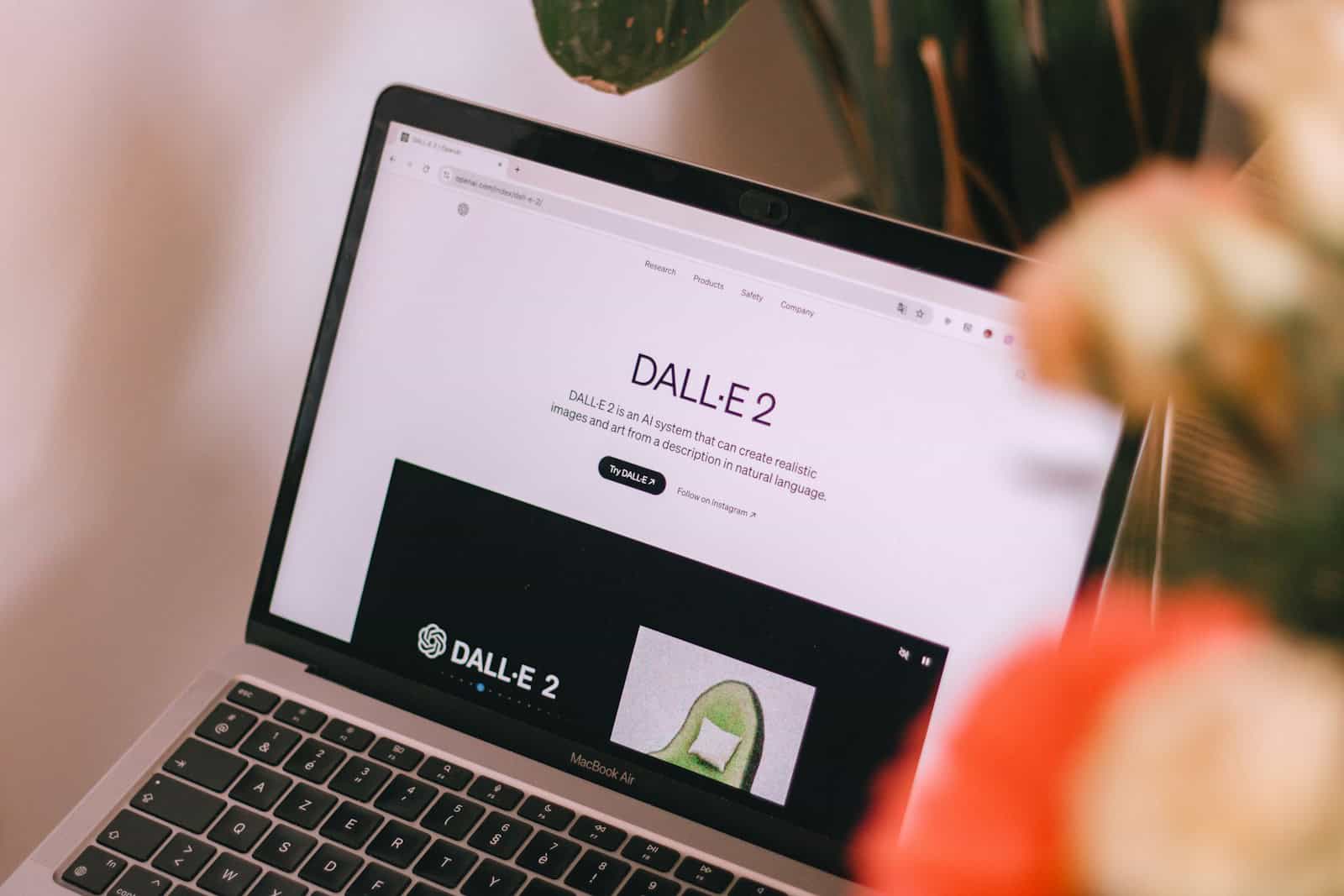
DALL·E is OpenAI’s text‑to‑image generation model. Since the release of DALL·E 2, OpenAI has made major advances in realism, instruction-following, and safety. DALL·E 3 represents the most significant leap so far, particularly in how well it understands and executes complex natural‑language prompts.
DALL·E 3 vs DALL·E 2
High-Level Comparison
| Feature | DALL·E 2 | DALL·E 3 |
|---|---|---|
| Release period | 2022 | 2023 |
| Prompt understanding | Moderate | Excellent |
| Complex prompt handling | Often inconsistent | Highly reliable |
| Text rendering in images | Weak | Strong |
| Image realism | High | Very high |
| Artistic styles | Limited precision | Highly accurate and varied |
| Safety & moderation | Strong | More advanced and refined |
| Integration with ChatGPT | Limited | Native, deeply integrated |
Key Improvements in DALL·E 3
1. Prompt Fidelity
- DALL·E 2 often required prompt engineering and multiple retries.
- DALL·E 3 accurately follows long, descriptive prompts on the first attempt, including:
- Specific object placement
- Stylistic references
- Lighting, mood, and camera angles
2. Text in Images
- DALL·E 2 struggled with readable text.
- DALL·E 3 can generate legible, contextually correct text, making it suitable for:
- Posters
- Book covers
- UI mockups
- Marketing visuals
3. ChatGPT Integration
- DALL·E 3 works natively with ChatGPT, allowing:
- Prompt refinement through conversation
- Automatic rewriting of vague prompts into detailed image descriptions
- DALL·E 2 relied more heavily on manual prompt crafting.
DALL·E 3 vs Competitor Models
Major Competitors Considered
- Midjourney (v5/v6)
- Stable Diffusion (SDXL and custom models)
- Adobe Firefly
Feature Comparison Table
| Feature | DALL·E 3 | Midjourney | Stable Diffusion | Adobe Firefly |
|---|---|---|---|---|
| Prompt accuracy | ⭐⭐⭐⭐⭐ | ⭐⭐⭐⭐ | ⭐⭐⭐ | ⭐⭐⭐⭐ |
| Image realism | ⭐⭐⭐⭐⭐ | ⭐⭐⭐⭐⭐ | ⭐⭐⭐⭐ | ⭐⭐⭐ |
| Text rendering | ⭐⭐⭐⭐⭐ | ⭐⭐⭐ | ⭐⭐ | ⭐⭐⭐⭐ |
| Artistic styles | ⭐⭐⭐⭐ | ⭐⭐⭐⭐⭐ | ⭐⭐⭐⭐⭐ | ⭐⭐⭐ |
| Ease of use | ⭐⭐⭐⭐⭐ | ⭐⭐⭐ | ⭐⭐ | ⭐⭐⭐⭐ |
| Customization & control | ⭐⭐⭐ | ⭐⭐⭐⭐ | ⭐⭐⭐⭐⭐ | ⭐⭐⭐ |
| Commercial safety | ⭐⭐⭐⭐⭐ | ⭐⭐⭐ | ⭐⭐⭐ | ⭐⭐⭐⭐⭐ |
Strengths and Weaknesses by Model
DALL·E 3
Strengths
- Best-in-class prompt understanding
- Excellent text generation inside images
- Very accessible for non-technical users
- Strong safety and copyright protections
Weaknesses
- Less low-level control than Stable Diffusion
- Fewer community-trained niche styles than Midjourney
Midjourney
Strengths
- Exceptional artistic and cinematic output
- Strong style consistency
- Popular among designers and illustrators
Weaknesses
- Steeper learning curve
- Prompt accuracy less literal than DALL·E 3
- Limited text rendering
Stable Diffusion
Strengths
- Open-source and highly customizable
- Full control over models, styles, and workflows
- Best choice for technical users
Weaknesses
- Requires setup and expertise
- Prompt understanding weaker out of the box
- Text generation is poor without add-ons
Adobe Firefly
Strengths
- Designed for commercial and enterprise use
- Trained on licensed content
- Seamless Adobe ecosystem integration
Weaknesses
- Less visually impressive than DALL·E 3 or Midjourney
- Limited creative flexibility
Summary Table: Who Should Use What?
| Use Case | Best Model |
|---|---|
| Accurate prompt-to-image generation | DALL·E 3 |
| Artistic, stylized visuals | Midjourney |
| Maximum customization & control | Stable Diffusion |
| Enterprise & commercial design | Adobe Firefly |
Final Verdict
DALL·E 3 is a major evolution over DALL·E 2, especially in prompt understanding, text rendering, and usability. While competitors like Midjourney and Stable Diffusion still excel in artistic expression and customization, DALL·E 3 stands out as the most reliable, user-friendly, and instruction-accurate image generation model available.
For users who want high-quality results with minimal effort—and images that actually match their prompts—DALL·E 3 currently sets the standard.