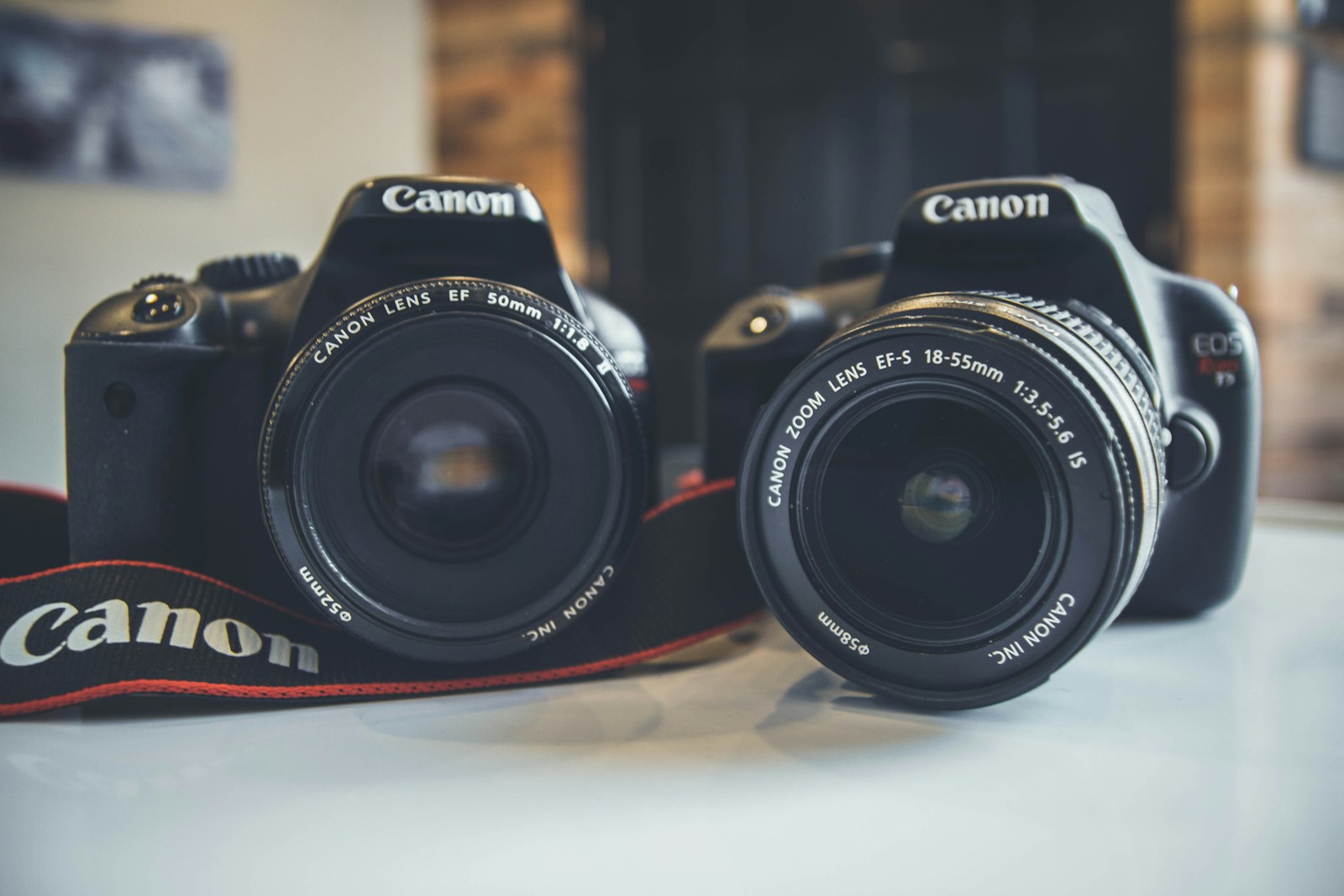
The camera world has changed a lot in recent years. Mirrorless cameras have grown from new technology to industry standard in photography. Many photographers wonder if they should stick with their trusted DSLR or switch to mirrorless.
Mirrorless cameras offer several advantages over DSLRs in 2026, including smaller size, better video capabilities, and more modern features like touchscreens and electronic viewfinders. DSLRs still have their place though, with some photographers preferring their optical viewfinders and typically longer battery life. The gap between these camera types continues to narrow as technology advances.
The choice between mirrorless and DSLR depends on your specific needs as a photographer. Mirrorless systems are generally more future-focused, with manufacturers investing heavily in new lenses and features for these platforms, while DSLR development has slowed considerably as the industry shifts toward mirrorless technology.
Mirrorless Cameras vs DSLR
Choosing between a mirrorless camera and a DSLR is one of the most important decisions for photographers today. While both can capture stunning images, they differ significantly in design, performance, and handling. Here’s everything you need to know to make the right choice.
What’s the Difference?
DSLR (Digital Single-Lens Reflex)
DSLRs use a mirror mechanism inside the camera body:
- Light enters through the lens
- Hits a mirror that reflects it up into an optical viewfinder
- When you press the shutter, the mirror flips up, allowing light to hit the sensor
- You see the actual scene through the lens via mirrors and a prism
Mirrorless Cameras
Mirrorless cameras eliminate the mirror mechanism:
- Light goes directly to the image sensor
- The sensor sends a digital preview to an electronic viewfinder (EVF) or rear screen
- What you see is a digital representation of what the sensor captures
- More compact design without the mirror box
(source: Digital Camera World)
Size and Weight Comparison
Mirrorless: Lighter and More Compact
Advantages:
- Significantly smaller and lighter body (typically 30-50% lighter)
- Easier to carry for extended periods
- Less bulky for travel photography
- Better for street photography (less intimidating)
- Fits in smaller bags
Considerations:
- Lenses can still be large and heavy
- A full mirrorless kit may not be dramatically lighter if using professional lenses
- Smaller grip may be less comfortable for users with larger hands
DSLR: Larger and More Substantial
Advantages:
- Larger grip provides better handling for big lenses
- More physical controls and buttons
- Feels more substantial and professional
- Better balance with telephoto lenses
Considerations:
- Heavier to carry all day
- Takes up more space in bags
- More noticeable and potentially intimidating to subjects
(source: Photography Life)
Autofocus Performance
Mirrorless: Advanced On-Sensor AF
Advantages:
- Superior autofocus coverage – AF points cover nearly the entire frame (up to 100%)
- Advanced subject detection – Eye AF, face detection, animal tracking, vehicle tracking
- Better video AF – Smooth, continuous focus during video recording
- Focus in low light – Can focus in darker conditions (down to -6 EV or lower)
- Real-time tracking – AI-powered subject recognition and tracking
Modern mirrorless systems excel at:
- Tracking moving subjects (sports, wildlife, children)
- Portrait photography with eye autofocus
- Video work with continuous AF
DSLR: Phase-Detection AF
Advantages:
- Fast and reliable for traditional photography
- Optical viewfinder lag-free experience
- Proven technology refined over decades
- Better battery efficiency during AF operation
Limitations:
- AF points typically concentrated in the center
- Limited coverage (usually 20-60% of frame)
- Less advanced subject tracking
- Live View AF is slower on most DSLRs
- No eye/face detection in optical viewfinder mode
Winner: Mirrorless – Modern mirrorless AF systems are generally superior, especially for tracking and video (source: Revell Photography).
Viewfinder Experience
DSLR: Optical Viewfinder (OVF)
Advantages:
- No lag – Real-time view with zero delay
- Natural appearance – Exactly what your eye sees
- Works without power – Can compose even with dead battery
- No blackout with mirrorless-style electronic shutters
- Easier on eyes for extended shooting sessions
- Better in bright sunlight – No screen glare issues
Disadvantages:
- WYSIWYG (What You See Is What You Get) – Can’t preview exposure, white balance, or depth of field
- Coverage less than 100% on entry-level models
- Viewfinder doesn’t show what the sensor captures
Mirrorless: Electronic Viewfinder (EVF)
Advantages:
- Exposure preview – See the final image before shooting
- White balance preview – Accurate color representation
- Depth of field preview – See bokeh in real-time
- Exposure aids – Histograms, focus peaking, zebras overlaid
- 100% coverage – Always shows exactly what will be captured
- Works in dark conditions – Brightens the scene for composition
- Magnification for manual focus precision
Disadvantages:
- Slight lag – Though minimal on modern cameras (0.005s or less)
- Battery drain – Constantly powering the display
- Refresh rate – Can look choppy in low light on older models
- Eye fatigue – Some users find prolonged EVF use tiring
- Doesn’t work without power
Winner: Personal preference – Photographers are divided. DSLRs offer a more “natural” experience, while mirrorless provides more information and preview capabilities (source: Tom’s Guide).
Battery Life
DSLR: Superior Battery Life
Advantages:
- 800-3,000+ shots per charge (depending on model)
- Optical viewfinder doesn’t drain power
- Can last multiple days of shooting
- Perfect for extended trips without charging
- Cheaper replacement batteries
Typical DSLR battery life:
- Entry-level: 600-1,000 shots
- Professional: 1,500-3,000+ shots
Mirrorless: Improving But Still Behind
Disadvantages:
- 300-500 shots per charge (typical for older models)
- 400-700+ shots on newer models with efficient processors
- EVF and rear screen constantly drain power
- Requires more frequent charging or spare batteries
Solutions:
- Carry multiple batteries (becoming standard practice)
- Battery grips for extended capacity
- USB-C charging on newer models allows power banks
- Modern mirrorless cameras are significantly improved over early models
Winner: DSLR – Though the gap is narrowing, DSLRs still offer substantially longer battery life (source: Markus Hagner Photography).
Image Quality
The Truth: Mostly Equal
When comparing sensors of the same size and generation:
- Image quality is virtually identical
- Both use similar (often identical) sensor technology
- Resolution, dynamic range, and color depth are comparable
- The mirror mechanism doesn’t affect image quality
What matters more for image quality:
- Sensor size (full-frame vs APS-C vs Micro Four Thirds)
- Sensor generation and technology
- Lens quality
- Photographer skill
Slight Mirrorless Advantages:
- No mirror slap – Eliminates vibration that can cause micro-blur
- Electronic shutter – Completely silent and vibration-free shooting
- Better stabilization – In-body image stabilization (IBIS) is more common
- Sensor-shift features – Pixel shift for ultra-high resolution, sensor cleaning
Winner: Tie – Image quality depends on sensor and lens, not camera type (source: Digital Camera World).
Video Capabilities
Mirrorless: Clear Winner for Video
Advantages:
- Superior autofocus during video recording
- No recording time limits on many models
- Better heat dissipation in newer designs
- 4K and 8K video more common
- Higher frame rates for slow motion
- Focus peaking and zebras for manual control
- Clean HDMI output for external recorders
- Better codec options (ProRes, RAW video)
- Flip screens for vlogging and self-recording
DSLR: Limited Video Features
Disadvantages:
- Slower, less reliable autofocus in video mode
- Recording time limits (often 29:59 max)
- Overheating issues on some models
- Live View drains battery quickly
- Limited 4K options on older models
- Phase-detection AF often disabled in video mode
Winner: Mirrorless – Clearly superior for any serious video work (source: Photography Life).
Lens Selection
DSLR: Mature Ecosystem
Advantages:
- Decades of lens development – Vast selection available
- Wide third-party support – Tamron, Sigma, Tokina, etc.
- Used market – Excellent availability and prices
- Lens rental – More options at rental houses
- Specialty lenses – Tilt-shift, super-telephoto, exotic options
Canon EF and Nikon F-mount:
- 300+ native lenses available
- Extensive used market
- Established ecosystem
Mirrorless: Growing Rapidly
Current state:
- Native lens selection growing fast – 50-150+ lenses for major systems
- High-quality modern designs – Optimized for mirrorless
- Adapters available – Can use DSLR lenses with adapters (often with full functionality)
- Compact lens options – Pancake and collapsible designs
- Third-party support expanding – Sigma, Tamron releasing native mirrorless lenses
Considerations:
- Still fewer specialty lenses than DSLR systems
- Used market smaller but growing
- Often more expensive (newer technology)
- Adapted DSLR lenses may be larger than ideal
Winner: DSLR currently, but mirrorless catching up quickly – If you need obscure specialty lenses, DSLR still has an edge. For most photographers, mirrorless systems now offer everything needed (source: Revell Photography).
Cost Comparison
Initial Investment
DSLR:
- Entry-level: $400-$800
- Mid-range: $1,000-$2,500
- Professional: $2,500-$6,500
- Generally less expensive for equivalent specs
- Better value in used market
Mirrorless:
- Entry-level: $500-$1,000
- Mid-range: $1,500-$3,000
- Professional: $2,500-$6,500+
- Often more expensive for newer technology
- Used prices still relatively high
Long-term Costs
DSLR:
- Cheaper batteries and accessories
- More affordable used lenses
- Lower repair costs (established repair networks)
Mirrorless:
- Need multiple batteries (adds $50-$150)
- Newer lenses often command premium prices
- May need adapters for older lenses ($100-$250)
Winner: DSLR for budget – Generally more affordable, especially in used market (source: Markus Hagner Photography).
Durability and Weather Sealing
Both Can Be Robust
High-end models of both types offer:
- Weather sealing against dust and moisture
- Magnesium alloy construction
- Durable shutter mechanisms
- Professional build quality
Considerations:
DSLR:
- Proven durability over decades
- Simpler mechanical design
- Easier to service in some cases
- Mirror mechanism is a potential failure point
Mirrorless:
- Fewer moving parts (no mirror)
- Electronic shutter has no mechanical wear
- Concerns about EVF longevity (unproven long-term)
- Sensor more exposed to dust when changing lenses
Winner: Roughly equal – Both can be highly durable when properly built (source: [PC Mag](https://www.pcmag.com/comparisons
Key Takeaways
- Mirrorless cameras are smaller, lighter, and offer more advanced features than comparable DSLRs.
- DSLRs maintain advantages in battery life and may feel more comfortable for photographers accustomed to optical viewfinders.
- The photography industry is clearly moving toward mirrorless as the dominant format, with most innovation happening in this space.
Technical Comparisons and Advancements
Mirrorless cameras have evolved rapidly, bringing significant technical improvements over DSLRs in several key areas. These advancements affect everything from image quality to usability features that photographers rely on daily.
Image Quality and Performance
Modern mirrorless cameras now match or exceed DSLRs in image quality. Both systems offer similar sensor sizes, with options including full-frame, APS-C, and Micro Four Thirds formats.
Mirrorless cameras often have an edge in dynamic range, allowing photographers to capture more detail in shadows and highlights. This is particularly useful in high-contrast shooting situations.
ISO performance has improved dramatically in recent generations of mirrorless cameras. The latest models show excellent low-light capabilities with minimal noise at higher ISO settings.
One significant advantage of mirrorless technology is the lack of moving parts that can introduce vibration. Without the mirror slap of DSLRs, mirrorless cameras can achieve sharper images, especially at slower shutter speeds.
Processing power in newer mirrorless bodies enables faster burst rates, often reaching 20-30 frames per second compared to 10-14 fps in top DSLRs.
Autofocus and Subject Tracking
Autofocus is perhaps the area where mirrorless cameras have made the most impressive strides. Modern mirrorless systems utilize on-sensor phase-detection combined with contrast detection for superior accuracy.
Subject recognition has become remarkably sophisticated in recent models. Many mirrorless cameras can now identify and track:
- Human faces and eyes
- Animal faces and eyes
- Vehicles and motorsports
- Birds and wildlife
Focus tracking excels in mirrorless cameras because the focus system uses the same sensor that captures the final image. This creates more consistent results compared to the separate focus sensors in DSLRs.
Real-time tracking allows photographers to follow fast-moving subjects across the entire frame. Most high-end mirrorless cameras maintain focus in situations where DSLRs might struggle.
EVF vs OVF
Electronic viewfinders (EVFs) in mirrorless cameras now offer resolutions exceeding 9 million dots with refresh rates of 120fps, providing a nearly lag-free viewing experience.
Unlike optical viewfinders (OVFs) in DSLRs, EVFs show a real-time preview of exposure, white balance, and depth of field. This WYSIWYG (what you see is what you get) approach reduces the need for chimping.
EVFs can display helpful visual cues like focus peaking, zebra patterns for exposure, and even histograms – all impossible with an optical system.
One limitation of EVFs is battery consumption. Using an electronic display constantly drains power faster than DSLRs, though this gap has narrowed with newer models featuring more efficient batteries.
OVFs still offer advantages in certain situations, particularly in extremely low light where they provide a clearer view without digital noise or lag.
Body and Lens Compatibility
Mirrorless camera bodies are typically smaller and lighter than comparable DSLRs. This reduction in size and weight makes them more comfortable for all-day shooting and travel photography.
Lens compatibility is excellent in both systems. Most manufacturers offer adapters allowing DSLR lenses to work on mirrorless bodies, though sometimes with limited functionality.
Native mirrorless lenses are designed specifically for shorter flange distances, enabling:
- Smaller lens designs for standard focal lengths
- Improved optical performance
- Faster communication with camera bodies
DSLR systems still offer more extensive native lens libraries, particularly in specialized categories. However, mirrorless lens options are expanding rapidly with many innovative designs.
Weather sealing and durability have improved significantly in professional mirrorless bodies, matching the ruggedness that DSLRs were known for.
Practical Considerations for Users
When choosing between mirrorless cameras and DSLRs, several practical factors significantly impact the shooting experience and workflow. These considerations often make the difference in real-world usage beyond just image quality or specs.
Size, Weight, and Portability
Mirrorless cameras typically offer a substantial weight advantage over DSLRs. Without the mirror box mechanism and pentaprism, mirrorless bodies are generally 20-30% lighter and more compact than their DSLR counterparts. This weight reduction becomes especially valuable during long shooting sessions or travel photography.
For professionals who carry multiple bodies and lenses, the cumulative weight savings can prevent fatigue and injury over time. A typical professional DSLR with a lens might weigh around 1.5kg, while a comparable mirrorless setup often weighs closer to 1kg.
However, larger mirrorless lenses can sometimes offset the body size advantage. Some photographers with larger hands also prefer the more substantial grip of a DSLR for ergonomic comfort.
Battery Life and Power Management
Battery life remains one of the few areas where DSLRs maintain a clear advantage. The constant power requirements of electronic viewfinders and displays in mirrorless cameras drain batteries significantly faster.
A typical DSLR might capture 800-1200 shots per charge, while many mirrorless cameras manage only 300-500 shots. This difference requires mirrorless users to carry multiple spare batteries, especially for all-day shoots or when traveling with limited charging opportunities.
Power management features like sleep modes and display brightness settings become critical skills for mirrorless photographers. Many professional mirrorless users invest in battery grips or USB power banks for extended sessions.
Shutter Mechanisms and Vibration
Shutter technology differs significantly between these camera types, affecting both performance and durability. DSLRs rely primarily on mechanical shutters, which can introduce camera shake (especially at slower speeds) and produce noticeable noise.
Mirrorless cameras often provide both mechanical and electronic shutter options. The electronic shutter enables completely silent operation—ideal for quiet environments like weddings, wildlife photography, or performance venues.
Many mirrorless models feature in-body image stabilization (IBIS), which compensates for camera movement with any lens. This technology helps minimize vibration effects during handheld shooting, especially with longer lenses or slower shutter speeds.
Electronic shutters also support extremely fast burst rates of 20fps or higher, though they may produce rolling shutter distortion with fast-moving subjects.
Frequently Asked Questions
The debate between mirrorless cameras and DSLRs continues as technology evolves. These common questions address key differences in performance, features, and practical considerations that photographers often consider when choosing between these camera types.
What are the main differences between mirrorless cameras and DSLRs in terms of image quality?
Image quality between high-end mirrorless cameras and DSLRs is nearly identical today. Both camera types use similar sensors and can produce professional-level images.
The differences in image quality now come down to specific models rather than the camera type. Modern mirrorless cameras often feature the newest sensor technology since manufacturers are focusing their development efforts on these systems.
Some photographers might notice slight variations in color science between brands rather than between mirrorless and DSLR systems from the same manufacturer.
How do the autofocus capabilities compare between mirrorless cameras and DSLRs?
Mirrorless cameras now offer superior autofocus capabilities compared to most DSLRs. Their on-sensor phase-detection systems allow for more accurate focus across the frame.
Eye and face detection in mirrorless cameras has become remarkably advanced, automatically finding and tracking subjects even in challenging conditions. This technology extends to animal eye detection in many newer models, something DSLRs cannot match.
Video autofocus is another area where mirrorless cameras excel, providing smooth, accurate focus transitions that most DSLRs struggle to deliver.
What are the advantages and disadvantages of mirrorless cameras compared to DSLRs for professional photography?
Mirrorless advantages include smaller size, electronic viewfinders that show exposure in real-time, and superior video capabilities. Many professionals appreciate the silent shooting options and faster burst rates available in mirrorless systems.
The main disadvantages of mirrorless cameras include shorter battery life and potentially slower startup times. Some photographers still prefer the optical viewfinder experience of DSLRs, which shows the scene naturally without electronic interpretation.
DSLRs often have more rugged build quality, though high-end mirrorless cameras are quickly closing this gap with professional-grade weather sealing and durability.
How have recent technological advancements impacted the performance of mirrorless cameras versus DSLRs?
Recent advances have significantly widened the performance gap between mirrorless cameras and DSLRs. Computational photography features like focus stacking and high-resolution composite modes are becoming standard in mirrorless systems.
Electronic viewfinders now offer higher resolution and faster refresh rates, addressing one of the original complaints about mirrorless cameras. Many now display at 120fps with minimal lag, creating a more natural viewing experience.
Battery technology has improved substantially, with newer mirrorless models offering significantly better battery life than their predecessors, though still typically less than comparable DSLRs.
In the context of a beginner photographer, which camera type is recommended for ease of use and learning: mirrorless or DSLR?
Mirrorless cameras offer beginners significant advantages in the learning process. The electronic viewfinder shows exposure changes in real-time, helping new photographers understand how settings affect their images.
The typically smaller size and weight of mirrorless cameras make them less intimidating and more likely to be carried regularly. This encourages practice and skill development.
DSLRs can still be good learning tools, often available at lower prices on the used market. Their simpler menus and longer battery life can be less frustrating for some beginners.
For long-term investment, should a consumer purchase a mirrorless camera or a DSLR considering the current trend in photography?
Mirrorless represents the better long-term investment in 2026. Major manufacturers have shifted their research and development to mirrorless systems, with fewer new DSLR models being released each year.
Lens compatibility should be considered carefully. Many manufacturers offer adapters to use DSLR lenses on mirrorless bodies, providing a transition path for those with existing lens collections.
The resale value of DSLRs has been declining faster than comparable mirrorless cameras. This trend will likely continue as the industry moves further toward mirrorless technology.