
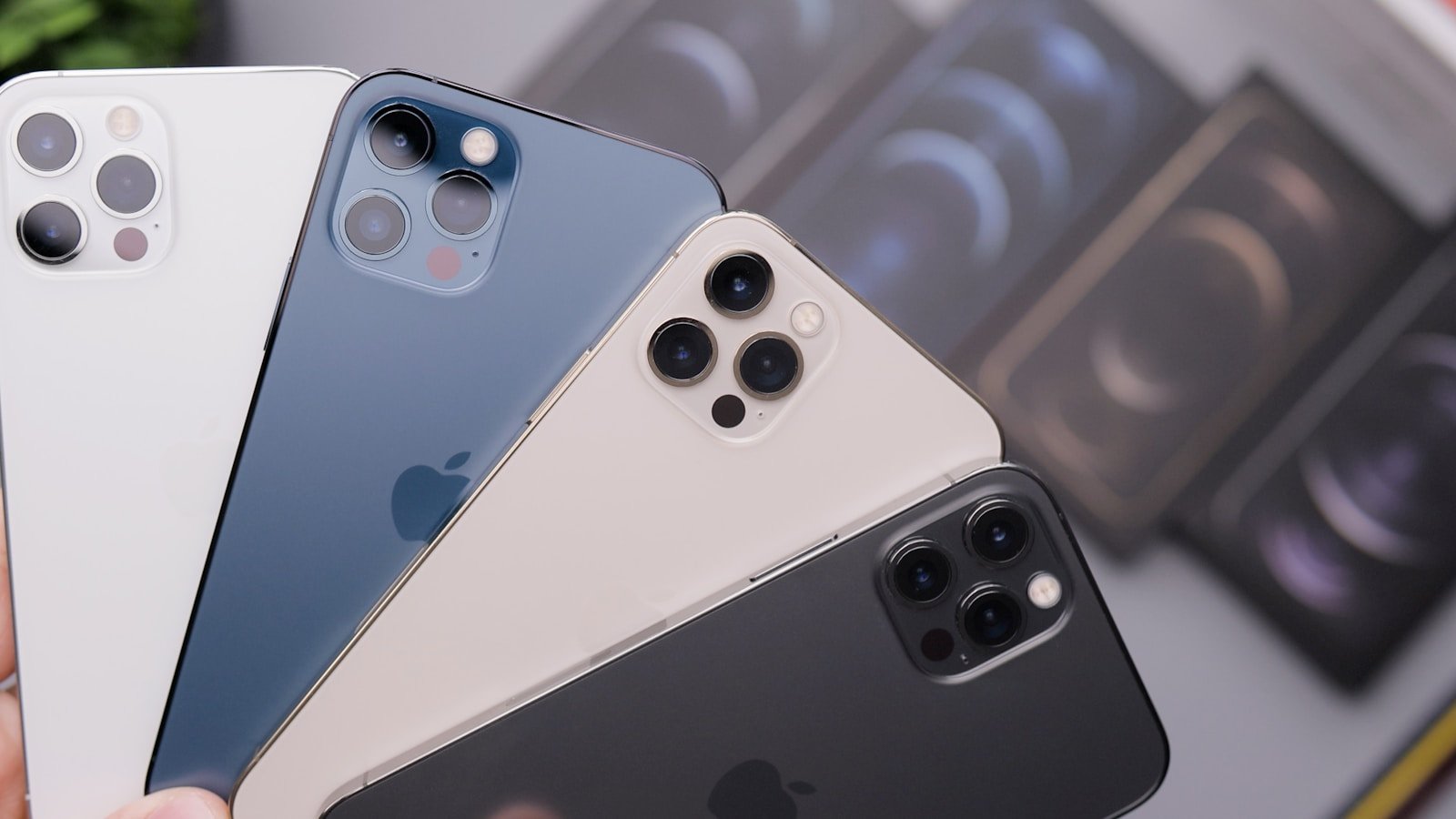
As we move into 2026, many smartphone users still compare the iPhone 12 and iPhone 12 Pro before making a purchase decision. These models share the same A14 Bionic chipset and display size, but differ in several important ways. The iPhone 12 Pro justifies its higher price tag with premium materials like stainless steel and matte glass, an additional telephoto camera lens, and 6GB of RAM compared to the standard model’s 4GB.
The camera system remains one of the most significant differentiators between these devices. While both phones feature 12MP wide and ultra-wide lenses, the Pro model adds a telephoto lens that enhances zoom capabilities and portrait photography. This makes the Pro version more appealing to photography enthusiasts who want versatility without upgrading to newer models.
Despite being released in 2020, both the iPhone 12 and 12 Pro continue to perform admirably in 2026. They receive regular iOS updates and handle most tasks with ease. The choice ultimately depends on whether users prioritize premium materials, extra RAM, and advanced camera features over cost savings.
iPhone 12 vs iPhone 12 Pro: 2026 Buyer’s Guide
Even in 2026, the iPhone 12 and iPhone 12 Pro remain popular options on the used and refurbished market. Both devices share the same core performance, but differ in camera features, build quality, and price. This guide breaks down the differences and helps you decide which model is right for you today.
Quick Overview
- iPhone 12: Best for everyday users who want solid performance, a great display, and lower cost.
- iPhone 12 Pro: Ideal for photography enthusiasts, professionals, and users who want premium materials and extra camera features.
Comparison Table: iPhone 12 vs iPhone 12 Pro
| Feature | iPhone 12 | iPhone 12 Pro |
|---|---|---|
| Release Year | 2020 | 2020 |
| Display Size | 6.1-inch Super Retina XDR | 6.1-inch Super Retina XDR |
| Display Technology | OLED | OLED |
| Resolution | 2532 × 1170 | 2532 × 1170 |
| Refresh Rate | 60Hz | 60Hz |
| Processor | A14 Bionic | A14 Bionic |
| RAM | 4GB | 6GB |
| Storage Options | 64GB, 128GB, 256GB | 128GB, 256GB, 512GB |
| Rear Cameras | Dual (Wide + Ultra Wide) | Triple (Wide + Ultra Wide + Telephoto) |
| LiDAR Scanner | No | Yes |
| Optical Zoom | None | 2× Optical Zoom |
| Front Camera | 12MP TrueDepth | 12MP TrueDepth |
| Video Recording | 4K up to 60fps | 4K up to 60fps, Pro features |
| Frame Material | Aluminum | Stainless Steel |
| Colors | Black, White, Red, Green, Blue, Purple | Graphite, Silver, Gold, Pacific Blue |
| Battery Life | Very good | Slightly better |
| Face ID | Yes | Yes |
| 5G Support | Yes | Yes |
| MagSafe | Yes | Yes |
| Weight | Lighter | Heavier |
| Used Price (2026 est.) | Lower | Higher |
Design and Build Quality
- iPhone 12 uses an aluminum frame, making it lighter and more comfortable for long use.
- iPhone 12 Pro features a stainless steel frame, giving it a more premium look and feel, but also adding weight.
If you prefer a lighter phone, the iPhone 12 is more comfortable. If you want a luxury feel, the Pro wins.
Performance in 2026
Both models use the A14 Bionic, which still handles:
- iOS updates smoothly
- Everyday apps and multitasking
- Casual and moderate gaming
The iPhone 12 Pro’s extra RAM (6GB vs 4GB) helps with multitasking and keeping apps open longer.
Camera Comparison
iPhone 12
- Excellent dual-camera system
- Great for casual photography and social media
- Night mode on main and ultra-wide cameras
iPhone 12 Pro
- Telephoto lens for optical zoom
- LiDAR scanner for faster autofocus and better low-light photos
- ProRAW and advanced video features
📸 If photography or video creation matters, the iPhone 12 Pro is the better choice.
Battery Life
Battery performance is similar, though the Pro model is slightly more power-efficient in real-world use. Battery health will vary depending on usage history, so check battery condition when buying used.
Software Support
As of 2026:
- Both models still receive iOS updates or security patches
- Long-term app compatibility remains strong
Apple typically supports iPhones for many years, making both devices safe buys.
Which Should You Buy in 2026?
Choose the iPhone 12 if you:
- Want the lowest price
- Prefer a lighter device
- Don’t need advanced camera features
Choose the iPhone 12 Pro if you:
- Want better photography and video tools
- Need more storage and RAM
- Prefer premium materials
Final Verdict
In 2026, the iPhone 12 and iPhone 12 Pro both remain capable smartphones. The iPhone 12 offers excellent value for everyday users, while the iPhone 12 Pro is worth the extra cost for those who want better cameras and a more premium experience. Your choice should ultimately depend on budget, camera needs, and design preferences.
Key Takeaways
- The iPhone 12 Pro offers premium materials, an additional camera lens, and 2GB more RAM than the standard iPhone 12.
- Both models share the same A14 Bionic processor and display technology, providing similar core performance.
- Camera capabilities represent the most significant practical difference for most users considering these two options.
Design and Display Innovations
The iPhone 12 and iPhone 12 Pro models share significant design elements while differing in key materials and display capabilities. Both feature Apple’s Super Retina XDR OLED technology, but with subtle differences in brightness and construction that differentiate the standard from the premium offering.
Comparing the Aesthetic and Build
The iPhone 12 and 12 Pro both feature a striking design with flat aluminum sides, reminiscent of the iPhone 4 era. This marked a significant departure from the rounded edges of previous generations.
The key difference lies in materials. The iPhone 12 Pro uses surgical-grade stainless steel for its frame, giving it a more premium feel and slightly more weight. The standard iPhone 12 opts for aluminum, making it lighter.
Color options also distinguish the models. The iPhone 12 Pro comes in sophisticated tones like graphite, silver, pacific blue, and gold. The standard iPhone 12 offers brighter color choices.
Both models feature Apple’s Ceramic Shield front cover, which provides 4x better drop protection than previous iPhone generations. This innovation significantly improves durability for everyday use.
OLED Technology and Screen Performance
Both iPhone 12 models sport 6.1-inch Super Retina XDR OLED displays with identical 1170 x 2532 resolution. This ensures crisp text and vibrant images across both devices.
The Pro model offers slightly higher “typical” brightness levels, making it marginally better for outdoor use. Both support Dolby Vision, HDR10, and wide color gamut.
The OLED technology provides true blacks and excellent contrast ratios on both models. This represents a significant upgrade for the standard iPhone 12, which previously used LCD technology in the iPhone 11.
Screen performance between the two is remarkably similar in daily use. Most users won’t notice the slight brightness advantage of the Pro model unless comparing them side-by-side under bright conditions.
Camera Systems and Photographic Capabilities
The iPhone 12 and iPhone 12 Pro offer impressive photography capabilities with some key differences that might matter to photography enthusiasts. Both models deliver exceptional image quality, but the Pro version includes additional hardware and features that justify its higher price point.
Differences in Camera Hardware
The iPhone 12 comes with a dual-camera system featuring a 12MP wide and 12MP ultra-wide lens. Both cameras perform well in various lighting conditions and support night mode.
The iPhone 12 Pro takes things further with a triple-camera array that adds a 12MP telephoto lens for optical zoom capabilities. This telephoto lens gives Pro users more flexibility for distant subjects without losing image quality.
A significant Pro-exclusive feature is the LiDAR scanner, which improves autofocus speed in low light by up to 6 times. This technology helps the Pro capture sharper images in challenging lighting situations.
The Pro model also captures about 27% more light than previous generations, resulting in better detail and less noise in photos.
Advanced Imaging Features and Video Quality
Both models support impressive computational photography features like Deep Fusion and Smart HDR 3, which automatically enhance image details and dynamic range. Portrait mode works on both devices, though the Pro’s telephoto lens creates more flattering portrait perspectives.
When it comes to video, both phones can record 4K footage at 60fps with Dolby Vision HDR – making them exceptional video cameras. The stabilization is remarkably smooth, producing professional-looking results.
The Pro model offers additional video benefits with its telephoto lens and better low-light performance. Night mode works across all Pro cameras, while the standard iPhone 12 supports it only on the wide and ultra-wide lenses.
For serious photographers, the Pro also offers Apple ProRAW capabilities, providing greater editing flexibility for those who process their images.
Frequently Asked Questions
iPhone buyers often compare the iPhone 12 and iPhone 12 Pro models when making their purchasing decisions. Here are answers to the most common questions about these two devices.
What are the differences in camera capabilities between the iPhone 12 and the iPhone 12 Pro?
The iPhone 12 features a dual-camera system with two 12MP sensors – a main wide camera and an ultra-wide camera. These allow users to take standard photos as well as wider landscape shots.
The iPhone 12 Pro includes a triple-camera setup with an additional 12MP telephoto lens. This third lens provides optical zoom capabilities that the standard iPhone 12 doesn’t have.
Both models share the same 12MP front camera for selfies and Face ID authentication. However, the Pro model includes additional photography features like Apple ProRAW format and better low-light performance.
How do the specifications of the iPhone 12 compare with those of the iPhone 12 Pro?
Both iPhone models run on the same A14 Bionic chip, providing similar processing power. The standard iPhone 12 comes with 4GB of RAM, while the Pro model includes 6GB of RAM.
Storage options differ between models. The iPhone 12 typically starts at 64GB, while the Pro model starts at 128GB with higher capacity options available.
Both phones feature OLED Super Retina XDR displays with the same resolution. They also share 5G connectivity, MagSafe charging support, and IP68 water resistance ratings.
Is there a significant size difference between the iPhone 12 and the iPhone 12 Pro?
There is virtually no size difference between the iPhone 12 and iPhone 12 Pro base models. Both feature 6.1-inch displays and identical dimensions.
The weight differs slightly, with the Pro model being about 25 grams heavier due to its stainless steel frame compared to the aluminum frame on the standard iPhone 12.
Both phones have the same form factor, button placement, and charging port location, making them compatible with the same cases and accessories.
What advantages does the iPhone 12 Pro offer over the iPhone 12?
The main advantage of the iPhone 12 Pro is its superior camera system with the additional telephoto lens and enhanced photography features like Night mode portraits.
The iPhone 12 Pro offers more RAM (6GB vs 4GB), which may help with multitasking and future-proofing as apps become more resource-intensive.
The Pro model features a premium stainless steel frame compared to the aluminum on the standard model. It also typically comes with higher baseline storage options.
Can you outline the disadvantages or limitations of the iPhone 12 Pro compared to the iPhone 12?
The most significant disadvantage of the iPhone 12 Pro is its higher price point, which may not be justified for users who don’t need the additional camera features.
The Pro model is slightly heavier due to its stainless steel construction, which some users might find less comfortable for extended use.
Despite the “Pro” designation, both phones receive the same iOS updates for the same length of time, so there’s no software longevity advantage to the more expensive model.
What feedback do users on platforms like Reddit and GSM Arena have regarding the iPhone 12 versus the iPhone 12 Pro?
Many Reddit users suggest that the standard iPhone 12 offers better value for most people. According to discussions, the extra features of the Pro model don’t justify the price difference unless photography is a priority.
Users report that battery life is comparable between both models, with neither showing a significant advantage in day-to-day use.
Some users who upgraded from the iPhone 12 Pro Max to newer models reported that they didn’t notice significant performance improvements in everyday tasks, suggesting the A14 chip still performs well for routine use.