OLED TVs remain the gold standard for home entertainment in 2026, offering perfect blacks, infinite contrast, fast response times, and outstanding viewing angles. This year’s models push brightness higher than ever, improve burn-in protection, and deliver smarter gaming and AI-powered picture processing.
Below is our ranking of the best OLED TVs in 2026, followed by detailed buying advice to help you choose the right model.
🏆 Best OLED TVs of 2026 – Ranking Table
| Rank | TV Model | Best For | Key Strengths | Downsides |
|---|---|---|---|---|
| 1 | LG G5 OLED evo | Overall Best | Exceptional brightness, flawless gaming features, gallery design | Premium price |
| 2 | Sony A95L II QD-OLED | Best for Movies | Best-in-class color accuracy, cinematic processing, Dolby Vision mastery | Limited HDMI 2.1 ports |
| 3 | Samsung S95F QD-OLED | Best for Gaming | Extremely bright, 165Hz support, low input lag | No Dolby Vision |
| 4 | Panasonic Z95A OLED | Best for Purists | Studio-grade color tuning, top-tier HDR performance | Limited availability |
| 5 | LG C5 OLED evo | Best Value OLED | Flagship performance at a lower price, excellent all-rounder | Less bright than G-series |
| 6 | Philips OLED909 | Best Ambilight TV | Immersive Ambilight, strong HDR, unique design | Ambilight not for everyone |
✅ Best OLED TV Overall: LG G5 OLED evo
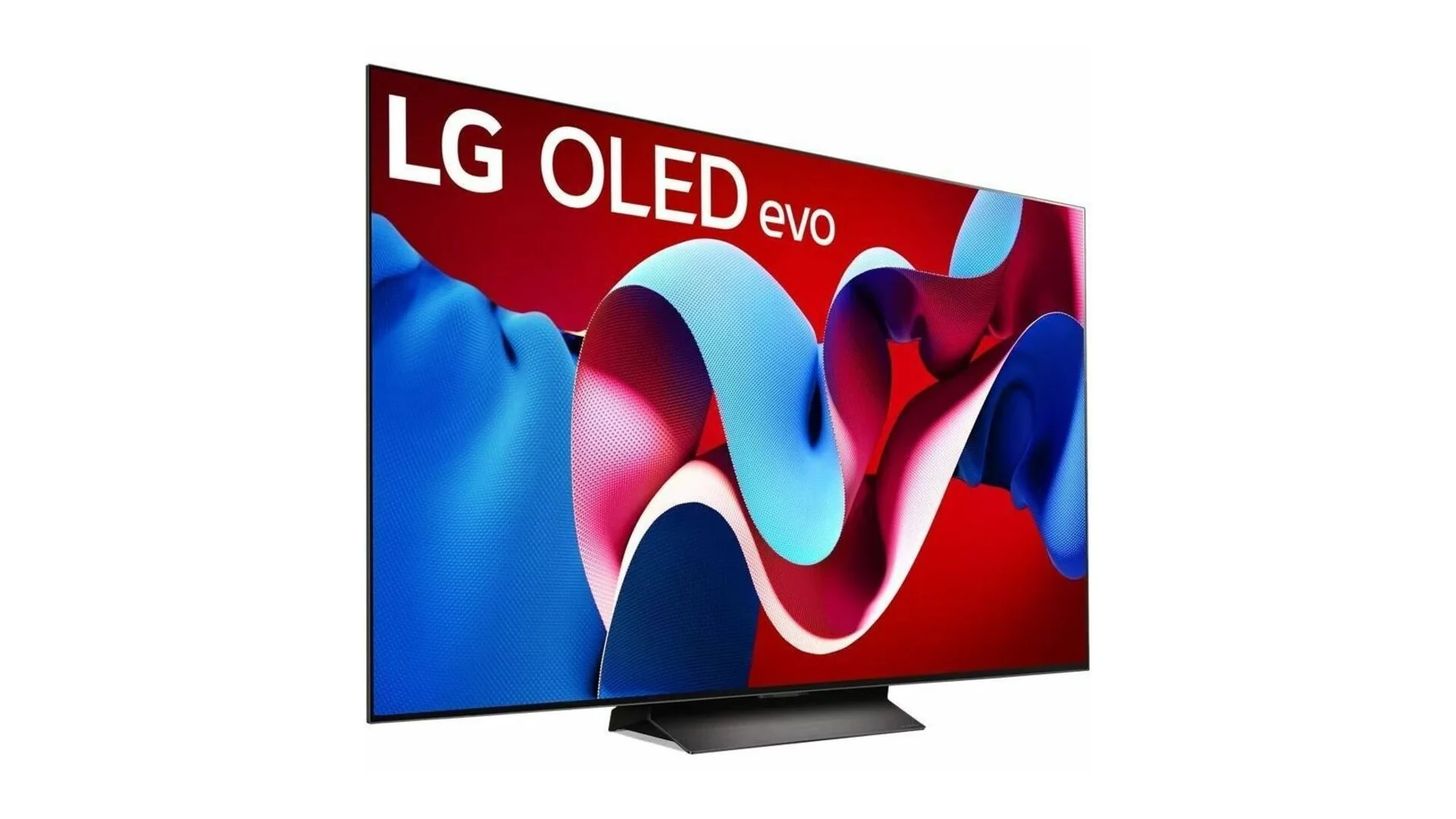
The LG G5 OLED evo takes the crown in 2026 thanks to its combination of cutting-edge brightness, near-perfect contrast, and industry-leading gaming support.
Why It’s #1
- New OLED evo panel with major brightness gains
- 4× HDMI 2.1 ports with 4K at 144Hz
- Outstanding anti-reflection coating
- Ultra-slim “Gallery” wall-mount design
Best for: Home theater enthusiasts and gamers who want the very best OLED TV available.
🎬 Best OLED TV for Movies: Sony A95L II (QD-OLED)
Sony continues to dominate cinematic performance with the A95L II, leveraging QD-OLED technology for unmatched color depth and realism.
Highlights
- Reference-level color accuracy
- Best-in-class motion handling
- Exceptional Dolby Vision HDR
- AI-powered XR processor enhances lower-quality content
Best for: Film lovers and home cinema purists.
🎮 Best OLED TV for Gaming: Samsung S95F QD-OLED
Samsung’s S95F is a gamer’s dream, offering blazing-fast performance and extreme brightness.
Gaming Features
- Up to 165Hz refresh rate
- Ultra-low input lag
- FreeSync Premium Pro & G-SYNC compatible
- Game Bar for real-time adjustments
Note: Samsung still does not support Dolby Vision.
🎥 Best OLED TV for Picture Purists: Panasonic Z95A
Panasonic remains the choice of professional studios, and the Z95A is tuned for absolute accuracy.
Standout Features
- Hollywood-level color calibration
- Exceptional HDR tone mapping
- Built-in premium sound system
- Designed with filmmaker input
Downside: Limited availability in some regions.
💰 Best Value OLED TV: LG C5 OLED evo
The LG C5 offers nearly flagship-level performance at a more accessible price.
Why It’s a Smart Buy
- OLED evo panel with strong brightness
- Full HDMI 2.1 gaming support
- Excellent webOS smart platform
- Consistently discounted compared to premium models
Best for: Buyers who want top-tier OLED quality without paying flagship prices.
🌈 Best Ambilight OLED TV: Philips OLED909
Philips’ OLED909 stands out thanks to its immersive Ambilight technology.
What Makes It Unique
- Ambilight projects colors onto your wall
- Strong HDR performance
- Premium design and sound
- Excellent for immersive viewing environments
🛒 How to Choose the Best OLED TV in 2026
When shopping for an OLED TV, consider:
- Brightness: Newer OLED evo and QD-OLED panels perform better in bright rooms
- Gaming Features: Look for HDMI 2.1, VRR, ALLM, and high refresh rates
- HDR Formats: Dolby Vision support is still a major advantage
- Size: OLED TVs now range from 42” to 97”
- Price: Last year’s models often offer excellent value
✅ Final Verdict
In 2026, OLED TVs are brighter, smarter, and more versatile than ever.
- Choose LG G5 OLED evo for the best overall experience
- Pick Sony A95L II for movies
- Go with Samsung S95F for gaming
- Grab LG C5 OLED if you want the best value
Key Takeaways
- The LG C4 offers the best balance of picture quality and value among OLED TVs.
- Sony’s A95L delivers superior home theater performance with excellent Dolby Vision support.
- Screen sizes now range from 42 to 83 inches, making OLED technology accessible for various room sizes.
Evaluating the 2026 Best OLED TVs
Looking for the best OLED TV in 2026? The market continues to evolve with stunning options from top brands like LG and Sony. These TVs deliver incredible picture quality with perfect blacks and vibrant colors that make your favorite shows and movies come to life.
The LG C4 Series stands out as one of the best OLED TV values of 2026, offering top-tier picture quality with an impressive feature set. Sony’s A95L OLED also deserves attention as many experts consider it the ultimate home theater TV, particularly due to its Dolby Vision HDR support. For those seeking premium performance, the LG G4 has emerged as an excellent all-around choice for movies, gaming, and PC use.
OLED technology continues to improve with each generation, offering better brightness levels and more refined smart features. The latest models provide excellent HDMI 2.1 support for gamers and enhanced processing capabilities that make everything from sports to movies look their absolute best.
OLED TVs continue to dominate the premium television market in 2026, with significant improvements in brightness, processing capabilities, and gaming features compared to previous generations.
Advancements in OLED Technology
OLED technology has made impressive strides in 2026 addressing previous limitations while enhancing core strengths. The most notable improvement is in peak brightness levels, with top models now reaching up to 30% brighter highlights than 2023 versions.
Manufacturers have implemented advanced heat dissipation techniques to push brightness without compromising the perfect black levels that OLED is famous for. This means better HDR performance and improved visibility in bright rooms.
Color accuracy has also seen enhancements through refined quantum dot layers in QD-OLED models and better color processing algorithms. The result is more accurate color reproduction and wider color gamuts that display nearly 100% of the DCI-P3 color space.
Anti-reflective coatings have improved significantly, reducing glare and making OLEDs more versatile for daytime viewing in bright environments.
Comparing Top Models: LG C4 OLED, Hisense U8K, and Samsung S95D
The LG C4 OLED stands out as the best value premium option for most users. It offers excellent picture quality with perfect blacks, Dolby Vision support, and LG’s latest Alpha 9 processor for improved upscaling and motion handling.
Samsung’s S95D represents the premium end with its QD-OLED technology, delivering superior brightness (over 1500 nits in highlights) and more saturated colors than traditional OLED panels. Its new “OLED Glare Free” technology significantly reduces reflections.
Key Model Comparison:
| Model | Peak Brightness | Gaming Features | Price Range |
|---|---|---|---|
| LG C4 | ~800-1000 nits | 4K/120Hz, VRR, ALLM | $1,600-2,800 |
| Samsung S95D | ~1500+ nits | 4K/144Hz, VRR, ALLM | $2,200-3,500 |
| Hisense U8K* | ~1500 nits | 4K/144Hz, VRR, ALLM | $800-1,500 |
*Note: The Hisense U8K isn’t OLED but a Mini-LED that offers exceptional brightness at a lower price point.
Price to Performance: Finding Value in the Market
OLED TVs continue to become more affordable, with mid-range options now starting around $1,200 for 55-inch models. The LG C4 offers the best balance of performance and price for most consumers.
Entry-level OLEDs like the LG B4 provide core OLED benefits (perfect blacks, infinite contrast) at lower price points by sacrificing some processing power and peak brightness capabilities.
For budget-conscious shoppers seeking OLED-like performance, Mini-LED alternatives like the Hisense U8K deliver exceptional brightness and good black levels at significantly lower prices.
Previous generation models (2023) often represent excellent value, with the LG C3 frequently available at 30-40% discounts while offering 90% of the performance of newer models.
Gaming Features and Performance
Gaming performance has become a central focus for OLED manufacturers in 2026. All premium models now support 4K at 120Hz (with Samsung pushing to 144Hz), Variable Refresh Rate (VRR), and Auto Low Latency Mode (ALLM).
Input lag has improved across the board, with most premium OLEDs now achieving under 10ms delay at 4K/60Hz, creating nearly instantaneous response to controller inputs.
HDMI 2.1 is standard on all gaming-focused inputs, supporting the full bandwidth needed for 4K/120Hz gaming from the latest consoles and PCs. Most premium models offer 4 HDMI 2.1 ports for multiple devices.
LG and Samsung have introduced gaming dashboards that display real-time information about frame rates, HDR status, and VRR functionality. These features help gamers optimize their settings without leaving their games.
Innovative Features and Smart Connectivity
Today’s OLED TVs offer much more than just stunning picture quality. The latest models combine cutting-edge display technology with smart features that transform how we interact with our entertainment systems.
Integrating Smart Assistants: Google Assistant and Amazon Alexa
Most premium OLED TVs now come with built-in voice assistants. Google Assistant integration allows users to search for content, control smart home devices, and get answers to questions directly through their TV.
Amazon Alexa compatibility adds another layer of convenience, letting viewers manage their smart home ecosystem without reaching for a phone. LG’s 2025 models feature enhanced far-field microphones that can detect voice commands from across the room, even in noisy environments.
Sony’s implementation of Google TV provides a personalized content recommendation system that learns viewing preferences over time. Samsung’s smart TVs offer similar functionality with their Tizen operating system, though with their own Bixby assistant alongside Google Assistant and Alexa options.
Enhanced Viewing Experience with Dolby Vision and HDR Performance
Dolby Vision continues to be a standout feature in premium OLED TVs, offering dynamic scene-by-scene optimization that regular HDR10 cannot match. The Sony A95L excels in this area, with reviewers praising its Dolby Vision implementation as “incredible for home theater.”
HDR performance has improved across the board in 2025 models, with peak brightness levels reaching new heights. LG’s G5 OLED can achieve up to 1,500 nits in highlights, while maintaining perfect blacks—a combination that creates stunning contrast.
Filmmaker Mode has become standard across most OLEDs, ensuring content is displayed as directors intended. This feature automatically adjusts settings to disable motion smoothing and preserve original aspect ratios, colors, and frame rates.
Connectivity and Streaming: HDMI 2.1 and Streaming Services
HDMI 2.1 has become standard on premium OLED TVs, offering bandwidth up to 48Gbps. This enables gaming-friendly features like Variable Refresh Rate (VRR), Auto Low Latency Mode (ALLM), and 4K gaming at 120Hz.
The LG C4 OLED is particularly praised for its gaming capabilities, with four HDMI 2.1 ports supporting the full bandwidth needed for next-gen consoles and PCs. The upcoming C5 model promises even more gaming-focused enhancements.
Streaming capabilities have expanded, with most OLEDs supporting Netflix, Prime Video, Disney+, and Apple TV+ in 4K HDR. Some manufacturers offer exclusive perks—Sony provides BRAVIA CORE with high-bitrate streaming, while LG’s webOS features a customizable home screen for quick access to favorite apps.
Smart connectivity now extends to mobile devices too. Screen mirroring, content sharing, and using phones as remote controls have become more seamless with improved smartphone integration.
Frequently Asked Questions
The OLED TV market continues to evolve with impressive technological advances in 2025 and early 2026. Several manufacturers offer outstanding options with varying features, sizes, and price points to meet different consumer needs.
What are the top-rated 65-inch OLED TVs released in 2026?
The LG C4 65-inch model stands out as one of the best-rated OLED TVs in this size category. It delivers exceptional picture quality and includes a comprehensive set of features that appeal to both movie watchers and gamers.
Sony’s A95L in the 65-inch configuration receives high marks for its superior brightness and color accuracy, making it particularly suitable for cinema enthusiasts.
The Samsung S95C 65-inch OLED also ranks among the top choices, offering excellent gaming capabilities with its low input lag and 144Hz refresh rate support.
Which manufacturer currently leads the market in OLED television technology?
LG continues to dominate the OLED market in 2026. The company not only manufactures its own OLED TVs but also supplies OLED panels to several other brands.
Sony maintains a strong position with its premium offerings that focus on picture processing excellence. Their TVs often command higher prices but deliver reference-quality performance.
Samsung has made significant strides with its QD-OLED technology, providing enhanced brightness and color volume compared to traditional OLED displays.
How does OLED compare to QLED in the latest television models?
OLED technology offers perfect black levels and infinite contrast ratios because each pixel emits its own light and can turn completely off. This creates unmatched picture depth and realism in dark scenes.
QLED sets typically deliver higher peak brightness, making them better suited for very bright rooms. They also tend to have less risk of burn-in compared to OLED panels.
The latest QD-OLED models from Samsung represent a hybrid approach, combining quantum dots with OLED technology to achieve both deep blacks and enhanced brightness levels.
What advanced features distinguish the best 55-inch OLED TVs in 2026?
The top 55-inch OLED models in 2026 feature HDMI 2.1 ports that support 4K content at 120Hz, variable refresh rate (VRR), and auto low latency mode (ALLM) for optimal gaming performance.
AI-powered picture processing has become increasingly sophisticated, with processors that analyze content in real-time to optimize contrast, color, and clarity on a scene-by-scene basis.
Many premium 55-inch OLEDs now include advanced sound technologies like Dolby Atmos support and object-tracking sound features that create more immersive audio experiences.
Can you provide a comparison of the LG OLED TV models released in 2026?
The LG C4 represents the sweet spot in the lineup, offering excellent picture quality and gaming features at a relatively reasonable price point. It improves upon the previous C3 with a brighter panel and faster processor.
LG’s G4 model steps up with the “Evo” panel technology that delivers higher brightness levels than the C4. It features a gallery design intended for wall mounting.
The flagship LG M4 introduces wireless connectivity that allows users to connect devices to a separate box rather than directly to the TV, creating a cleaner aesthetic with minimal cables.
How do the latest Sony OLED TVs, such as the A95L, perform in terms of picture quality and features?
The Sony A95L delivers exceptional picture quality with its QD-OLED panel that combines quantum dot technology with OLED. This results in improved brightness and more vibrant colors while maintaining OLED’s perfect blacks.
Sony’s renowned Cognitive Processor XR enhances the viewing experience by analyzing and optimizing elements like contrast, color, and detail in ways that mimic how humans perceive images.
The A95L includes premium gaming features such as 4K/120Hz support, VRR, and ALLM, though it offers fewer HDMI 2.1 ports than comparable LG models. Its Google TV interface provides seamless access to streaming services and content recommendations.