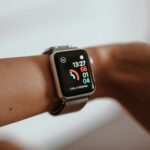

The Apple Watch’s blood oxygen feature has been through some major changes recently. Since January 18, 2024, Apple no longer sells watches with active blood oxygen measuring capabilities in the United States. This change resulted from legal disputes with medical technology company Masimo over patents related to the blood oxygen measurement technology.
The impact has been significant for U.S. consumers looking to monitor their blood oxygen levels through their Apple Watches. New Apple Watch units sold in America after January 18 have this feature disabled, though watches purchased before this date or outside the U.S. still maintain this functionality. The feature allowed users to measure oxygen saturation in their blood on demand directly from their wrist, providing valuable health insights.
Apple has attempted to challenge the ban in court but hasn’t succeeded so far. There have been discussions about potential workarounds that might allow the feature to return, possibly through integration with hospital tests involving Masimo equipment into Apple Health data, but no concrete solutions have been implemented yet.

Latest About Apple Watch Blood Oxygen Features: Everything You Need to Know
The Apple Watch blood oxygen monitoring feature has been at the center of a major patent dispute that’s reshaped what Apple can sell in the United States. Here’s a comprehensive guide to understanding the technology, the controversy, and what it means for you in 2025 and beyond.
What is Blood Oxygen Monitoring?
Blood oxygen saturation (SpO2) measures the percentage of oxygen carried by red blood cells from your lungs to the rest of your body. Normal levels typically range between 95-100%.
Why it matters:
- Early detection of respiratory issues
- Monitoring sleep apnea
- Tracking fitness and altitude acclimation
- COVID-19 brought increased awareness of SpO2 importance
The Patent Dispute: What Happened?
The Background
In October 2020, medical technology company Masimo sued Apple for patent infringement, claiming Apple poached its employees and stole pulse oximetry technology.
The Ban
- December 2023: The International Trade Commission (ITC) ruled Apple infringed on Masimo’s patents
- December 25, 2023: Sales ban took effect for Apple Watch Series 9 and Ultra 2 in the US
- Apple briefly paused sales, then resumed with blood oxygen features disabled
Current Status (As of December 2025)
The legal battle continues with several key developments:
- Apple Watches sold in the US (Series 9, Series 10, Ultra 2, and Ultra 3) currently ship WITHOUT blood oxygen functionality
- Previously purchased watches with the feature still retain it (for now)
- Watches sold outside the US still include the blood oxygen feature
- Apple is appealing the decision while also working on software and hardware workarounds
- Settlement negotiations between Apple and Masimo have been ongoing but inconclusive
Which Apple Watches Are Affected?
❌ Blood Oxygen DISABLED (US Models Only)
- Apple Watch Series 9 (sold after December 2023)
- Apple Watch Series 10
- Apple Watch Ultra 2
- Apple Watch Ultra 3
✅ Blood Oxygen STILL WORKS
- Apple Watch Series 6, 7, 8 (purchased before the ban)
- Series 9 and Ultra 2 purchased before December 2023
- ANY Apple Watch purchased outside the United States
❌ NEVER Had Blood Oxygen
- Apple Watch SE (all generations)
- Apple Watch Series 1-5
How Blood Oxygen Monitoring Works
When enabled, the Apple Watch uses:
Hardware:
- Green, red, and infrared LEDs shine light onto blood vessels
- Four clusters of photodiodes measure light reflected back
- Advanced algorithms calculate oxygen saturation
Two Measurement Types:
- On-Demand Readings: Take a 15-second measurement anytime
- Background Measurements: Periodic checks during sleep and rest
Accuracy Considerations:
- Works best when watch fits snugly but comfortably
- Arm should be flat and still
- Not intended to replace medical devices
- Factors like tattoos, skin perfusion, and motion can affect readings
Workarounds and Alternatives
If You Need Blood Oxygen Monitoring
Option 1: Buy an Older Model
- Apple Watch Series 8 still available from some retailers
- Works fully with current watchOS
- Often available at discounted prices
Option 2: Purchase Internationally
- Buy from another country where the feature isn’t disabled
- Verify carrier compatibility for cellular models
- Feature should continue working even when used in the US
Option 3: Dedicated Pulse Oximeters
- Medical-grade devices ($20-100)
- Often more accurate than smartwatches
- Recommended brands: Masimo MightySat, Nonin Onyx, Wellue O2Ring
Option 4: Other Smartwatches
- Samsung Galaxy Watch 6/7
- Garmin Fenix/Epix series
- Fitbit Sense 2
- Withings ScanWatch
If You Already Have the Feature
Your current Apple Watch will continue to work with blood oxygen monitoring unless:
- Apple pushes a forced software update disabling it (unlikely but legally possible)
- You’re required to service/replace the device
Tip: Some users are avoiding certain updates to preserve functionality, though this isn’t officially recommended.
What Apple Is Doing About It
Short-term Solutions
- Hardware redesign: Apple Watch Series 10 and later use modified sensors attempting to work around patents
- Software algorithms: Exploring alternative calculation methods
- Customs workaround: Briefly imported watches through different channels
Long-term Possibilities
- Settlement with Masimo: Most likely resolution
- License the technology: Pay Masimo for patent use
- Acquire Masimo: Unlikely but would solve the problem
- Develop truly different technology: Time-consuming and expensive
- Wait for patents to expire: Could take years
Should You Still Buy an Apple Watch?
Buy if:
- You primarily want fitness tracking, heart rate monitoring, ECG, and crash detection
- You’re in the Apple ecosystem and value seamless integration
- Blood oxygen isn’t a medical necessity for you
- You can purchase an international model
Consider alternatives if:
- Blood oxygen monitoring is essential for medical reasons
- You have sleep apnea or respiratory conditions requiring tracking
- You want the most complete feature set for your money
Other Health Features Still Available
The Apple Watch remains incredibly capable even without SpO2:
✅ ECG (Electrocardiogram) – Detect atrial fibrillation ✅ Heart rate monitoring – Continuous tracking with alerts ✅ Irregular rhythm notifications ✅ Temperature sensing – Cycle tracking and retrospective ovulation estimates ✅ Sleep tracking – Sleep stages and patterns ✅ Crash and fall detection ✅ Activity and workout tracking ✅ Noise monitoring ✅ Medication reminders (watchOS 11+)
The Bigger Picture: Medical Device Patents
This case highlights important questions about:
- Innovation vs. intellectual property: Where’s the line?
- Healthcare technology access: Should patent disputes limit health features?
- Big Tech accountability: Did Apple knowingly infringe?
- Consumer impact: Users caught in corporate legal battles
Masimo argues it’s protecting legitimate innovation. Apple maintains it developed its technology independently. The courts continue to deliberate.
Expert Recommendations
For general fitness users: The absence of blood oxygen monitoring shouldn’t be a dealbreaker. Other Apple Watch health features provide tremendous value.
For medical monitoring: Consult your doctor. Smartwatch readings aren’t FDA-approved for medical diagnosis. If you need accurate SpO2 monitoring, invest in a medical-grade device.
For current owners: Enjoy the feature while you have it. Keep your watch in good condition to avoid needing replacements that might lack the functionality.
What to Watch For in 2026
- Potential settlement announcement between Apple and Masimo
- New sensor technology in future Apple Watch models
- Appeals court decisions that could restore the feature
- Software updates that might change functionality
- Class action lawsuits from consumers who purchased affected devices
Frequently Asked Questions
Q: Will my Series 9 lose blood oxygen if I update? A: Currently, watches that shipped with the feature retain it through updates. This could theoretically change if Apple is legally compelled to disable it.
Q: Can I enable it with a jailbreak or hack? A: Not reliably. The hardware exists but software controls access. Attempting this violates terms of service.
Q: Is the ban permanent? A: Unknown. It depends on appeals, settlements, or new technology from Apple.
Q: Can I return my watch because of missing features? A: If purchased recently, yes, within the return window. Otherwise, you agreed to the features “as is” at purchase.
Q: Are other companies at risk? A: Potentially. Masimo has been aggressive in protecting its patents, though Apple was specifically targeted due to alleged employee poaching.
Bottom Line
The Apple Watch blood oxygen saga is a complex intersection of technology, law, and healthcare. While frustrating for US consumers, the Apple Watch remains one of the most comprehensive health and fitness wearables available.
If blood oxygen monitoring is crucial for you, alternatives exist. For most users, the Apple Watch’s remaining health features provide more than enough value to justify the investment.
Stay tuned—this story is far from over, and a resolution could restore the feature to US models at any time.
Key Takeaways
- Apple Watches sold in the U.S. after January 18, 2024 no longer have an active blood oxygen measurement feature due to legal disputes.
- Watches purchased before the cutoff date or outside the United States still maintain the blood oxygen monitoring capability.
- Apple has been unsuccessful in court attempts to lift the ban but may explore integration with medical systems as a potential solution.
Advancements in Blood Oxygen Monitoring on Apple Watch
Apple Watch has evolved to become a comprehensive health monitoring device, with blood oxygen measurement being one of its key features. The technology uses light sensors to track oxygen levels in the blood, providing users with important health insights.
Evolution of the Blood Oxygen Sensor
The blood oxygen monitoring feature first appeared in the Apple Watch Series 6. This sensor uses red and infrared light to measure the amount of oxygen in the blood. The light shines onto blood vessels in the wrist, and the watch measures the reflection to determine oxygen saturation levels.
Over time, Apple has refined this technology. The sensors have become more accurate and energy-efficient with each generation. The Apple Watch Ultra 2 features an enhanced version of this sensor that works at higher altitudes and in more extreme conditions.
Recent reports suggest that blood oxygen monitoring functionality may return to newer models after facing legal challenges. Changes in leadership at Masimo, a company involved in patent disputes with Apple, could potentially lead to new agreements that allow this feature to continue.
Blood Oxygen Levels and Health Insights
The Blood Oxygen app on Apple Watch allows users to measure their oxygen saturation (SpO₂) on demand. A normal reading typically ranges between 95-100%, with lower readings potentially indicating health issues that require attention.
The data collected integrates with the Health app, allowing users to track their blood oxygen levels over time. This information can provide valuable insights into respiratory and cardiovascular health, especially for people with conditions like asthma or sleep apnea.
Research on the accuracy of Apple Watch oxygen measurements has shown promising results. The device offers a convenient way to monitor this vital health metric without specialized medical equipment. However, Apple clearly states that the feature is designed for wellness purposes rather than medical diagnosis.
The data can be particularly useful during sleep, helping users identify potential breathing abnormalities that might affect their rest quality.
Legal and Commercial Impacts
The dispute between Apple and Masimo over blood oxygen monitoring technology has created significant legal challenges and market consequences. Apple faces potential restrictions on certain watch models in the US market as a result of patent infringement rulings.
Patent Disputes and ITC Rulings
In 2020, medical technology company Masimo filed a lawsuit against Apple, claiming infringement on multiple patents related to pulse oximetry technology. The case centered on the blood oxygen sensors featured in newer Apple Watch models.
The US International Trade Commission (ITC) investigated these claims and ultimately ruled in Masimo’s favor. The commission determined that Apple had indeed infringed on Masimo’s patented technology for measuring blood oxygen levels.
This ruling represented a significant victory for Masimo and highlighted the importance of intellectual property rights in the competitive wearable technology market.
Potential Sales Ban and Market Implications
Following the ITC ruling, Apple faced a potential ban on selling affected Apple Watch models in the United States. The company had limited options: remove the infringing technology, reach a licensing agreement with Masimo, or hope for intervention.
When President Biden declined to veto the ITC decision, Apple made a strategic decision to remove the blood oxygen monitoring feature from affected models sold in the US market rather than pull the watches entirely.
This situation has created market uncertainty and raised questions about Apple’s future approach to health monitoring features. Competitors like Fitbit may benefit from Apple’s legal challenges as consumers seek alternatives with similar functionality.
The case also sets a precedent for how patent disputes might be handled in the rapidly evolving wearable health technology sector.
Frequently Asked Questions
People have many questions about the Apple Watch’s blood oxygen feature. Here are answers to some common concerns about this technology, its accuracy, legal issues, and future availability.
How accurate are the blood oxygen measurements on the Apple Watch Series 7?
The Apple Watch Series 7 blood oxygen sensor provides estimates that are generally reliable for everyday health tracking. However, it isn’t medical-grade equipment.
Studies show that the readings typically fall within an acceptable range when compared to medical pulse oximeters. For healthy users, occasional outlier readings shouldn’t cause concern as long as average measurements remain stable.
The accuracy can be affected by factors like tattoos, cold temperatures, or movement during readings.
What improvements have been made to the Apple Watch Series 8 blood oxygen sensor?
The Apple Watch Series 8 features refined algorithms that improve the reliability of blood oxygen measurements. These updates help filter out false readings caused by movement or poor sensor contact.
Apple enhanced the sensor’s ability to function in various lighting conditions. The Series 8 also processes readings faster than previous models.
The user interface was slightly modified to provide clearer feedback when a measurement isn’t optimal.
Has there been any legal action taken regarding the Apple Watch oxygen sensor’s accuracy?
Yes, Apple faced legal challenges over its blood oxygen monitoring technology. A patent dispute led to significant changes in early 2024.
As of January 18, 2024, Apple had to stop selling Apple Watch models with active blood oxygen features in the United States due to these legal issues.
The court decision affected new sales but did not impact watches that were already purchased and in use.
What capabilities does the blood oxygen app on the Apple Watch have?
The Blood Oxygen app allows users to measure oxygen saturation in their blood directly from their wrist. Measurements can be taken on-demand whenever the user chooses.
The app shows the percentage of oxygen in the blood, with normal readings typically between 95-100%. Lower readings might indicate potential health issues.
The app can also take periodic background measurements throughout the day and night, creating a record of oxygen level trends over time.
Is Apple planning to remove the blood oxygen sensor in future models of the Apple Watch?
Apple has already removed the active blood oxygen feature from new Apple Watch Series 9 and Ultra 2 models sold in the United States since January 18, 2024.
This change was made in response to legal requirements, not as a design choice. The physical sensor remains in the watches but has been disabled.
For models sold outside the U.S. and those purchased before the restriction date, the blood oxygen feature continues to function normally.
Can users rely on the Apple Watch for medical-grade blood oxygen readings?
No, the Apple Watch is not designed to provide medical-grade blood oxygen measurements. It’s intended for wellness and fitness tracking only.
Apple explicitly states that the blood oxygen feature is not meant for medical use or self-diagnosis. Concerning readings should be verified with proper medical equipment.
Healthcare decisions should never be made based solely on Apple Watch readings without consulting healthcare professionals.