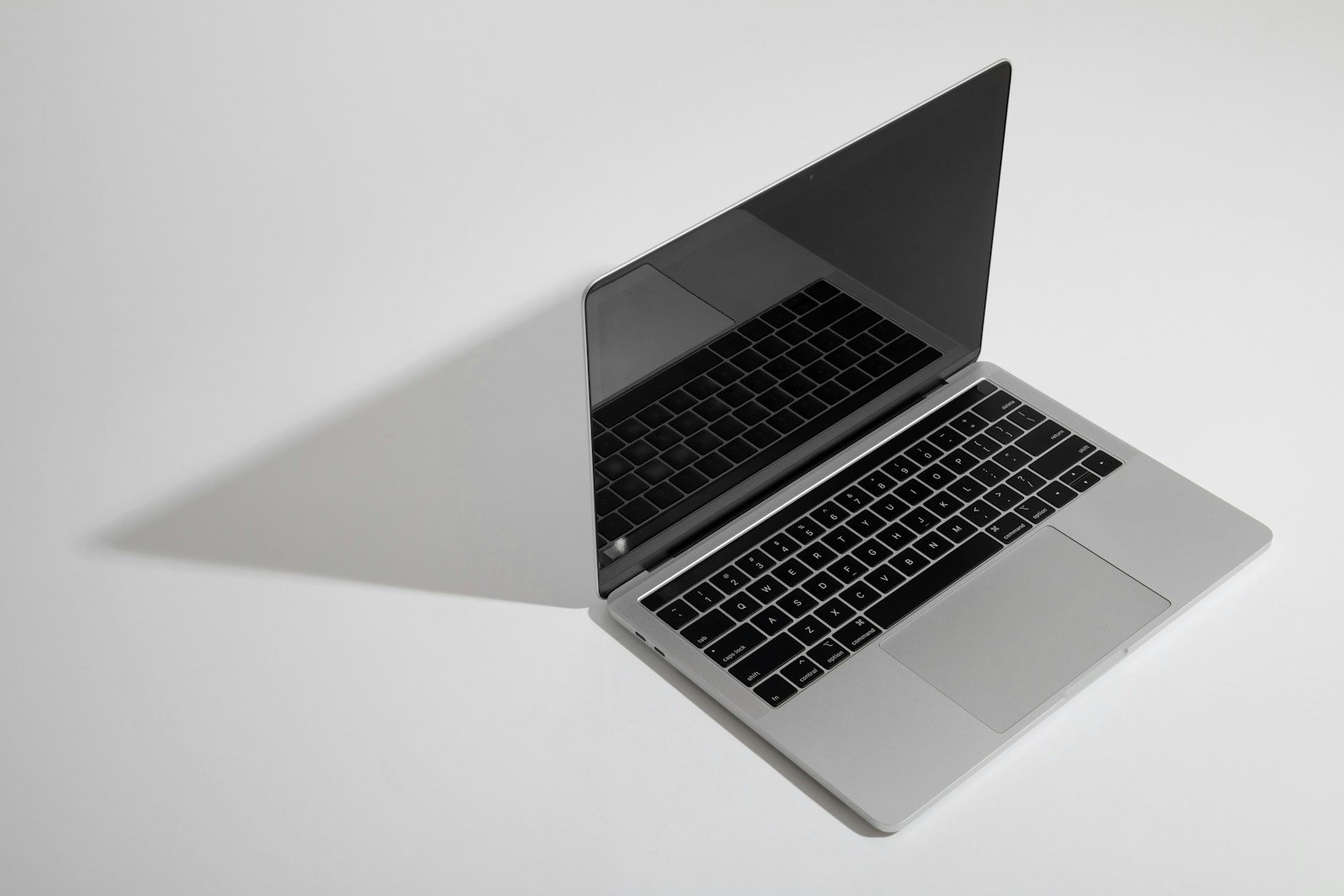
You turn on your computer, hear the fans spinning, and see power lights on, but the screen stays black. This frustrating problem happens to many computer users at some point. The most common causes for a computer turning on with no display include loose cables, monitor issues, graphics card problems, or RAM that needs reseating.
Before assuming your computer is broken, try the simplest solutions first. Check that all cables between your computer and monitor are firmly connected. Make sure your monitor is turned on and set to the correct input source. Sometimes the fix is as easy as pressing a button or plugging in a loose cable.
If basic checks don’t solve the problem, you might need to look at hardware components. Your graphics card could be damaged or not seated properly in its slot. RAM issues can also prevent your computer from displaying anything, even when it appears to be powered on.
Computer Turns On But No Display On Monitor: Complete Troubleshooting Guide
If your computer powers on but your monitor shows no display, don’t panic. This is a common issue with several potential causes and solutions. Here’s a systematic approach to diagnose and fix the problem.
1. Check Your Monitor and Cables
First, verify the basics:
- Make sure your monitor is powered on and the power light is illuminated
- Check that the video cable (HDMI, DisplayPort, DVI, or VGA) is securely connected to both the monitor and computer
- Inspect the cable and ports for any bent pins or physical damage – if found, you’ll need to replace the cable or take the device to a repair shop (source: Driver Easy)
- Try a different video cable if you have one available
- Test your monitor with another device to rule out monitor failure
2. Reseat Your RAM
Loose or improperly seated RAM is one of the most common causes:
- Power off your computer completely
- Unplug the power cable
- Open your computer case
- Remove your RAM sticks and firmly reseat them, ensuring they click into place
- Try one stick at a time in different slots if the problem persists
3. Check Your Graphics Card
If you have a dedicated GPU:
- Power off and unplug your computer
- Remove and reseat the graphics card in its PCIe slot
- Ensure the PCIe power cables are properly connected to the GPU
- Check that the video cable is connected to the GPU ports, not the motherboard ports
- Try the motherboard’s integrated graphics (if available) to see if the GPU is faulty (source: VÖXBURG)
4. Test Your Power Supply
Insufficient power can prevent proper display output:
- Listen for unusual sounds or check if fans are spinning
- Ensure all power connectors (24-pin motherboard, 4/8-pin CPU, PCIe power) are securely attached
- If possible, test with a known working power supply (source: Lifewire)
5. Reset BIOS/UEFI Settings
Incorrect BIOS settings can cause display issues:
- Clear the CMOS by removing the motherboard battery for 5-10 minutes, or use the CMOS reset jumper
- This will reset BIOS to default settings
6. Check for Beep Codes or LED Indicators
Many motherboards provide diagnostic information:
- Listen for POST beep codes when starting the computer
- Check for diagnostic LEDs on the motherboard
- Consult your motherboard manual to interpret these signals
7. Disconnect Unnecessary Peripherals
Remove all non-essential hardware:
- Unplug USB devices, extra hard drives, and expansion cards
- Keep only the essentials: CPU, one RAM stick, GPU (or integrated graphics), and power supply
- Add components back one at a time to identify the culprit
8. Test with Minimal Hardware
Boot with only essential components:
- One RAM stick
- CPU with cooler
- Power supply
- Graphics solution (integrated or dedicated)
- If it works, gradually add components back (source: Secured Data Recovery)
Quick Troubleshooting Checklist
Before diving deep, try this quick reset method:
- Press and hold the power button until your computer turns off
- Unplug the video cable from both ends
- Reconnect everything securely
- Power on and test (source: wikiHow)
When to Seek Professional Help
If none of these solutions work, you may have:
- A failed motherboard
- A dead CPU
- Damaged ports that need professional repair
- Other hardware failures requiring specialized diagnosis
Consider taking your computer to a professional repair shop if you’re uncomfortable with hardware troubleshooting or if the problem persists after trying these solutions.
Pro Tip: Always work on your computer in a static-free environment and unplug it from power before opening the case or handling internal components.
Key Takeaways
- Always check monitor connections and power before moving to more complex troubleshooting steps.
- Hardware issues like faulty graphics cards or improperly seated RAM often cause display problems.
- Resetting your computer’s BIOS/UEFI settings can resolve many no-display situations without opening your case.
Troubleshooting Basics
When your computer powers on but shows nothing on the monitor, starting with some basic troubleshooting steps can often solve the problem quickly. These simple checks focus on the most common causes of display issues.
Checking Power Supply Connections
First, ensure your computer is receiving proper power. Check that the power supply unit (PSU) is firmly connected to both the wall outlet and the computer. Look for indicator lights on your computer case that show the system is receiving power.
If your computer makes normal startup sounds (like fans spinning) but shows no display, the PSU might be working correctly. However, an underpowered or failing PSU can cause intermittent display problems even when the computer seems to turn on.
Try unplugging your computer completely, waiting 30 seconds, and then plugging it back in. This simple power cycle can reset components that might be stuck in an error state.
Examining Monitor and Cables
Check that your monitor is powered on and set to the correct input source. Look for a power indicator light on the monitor itself. If it’s amber or yellow, the monitor is on but not receiving a signal.
Inspect all cables connecting your monitor to the computer. Ensure they’re firmly seated at both ends. Try unplugging and reconnecting them to create a fresh connection.
Test with different cables if possible, as video cables can fail internally while appearing fine externally. If your computer has multiple video outputs (HDMI, DisplayPort, VGA), try connecting to a different port.
If you’re using a graphics card, make sure it’s properly seated in its slot. Dust in the connection can sometimes cause display issues without affecting other computer functions.
Hardware Component Checks
When a computer powers on but displays nothing on the monitor, investigating the physical components is often the fastest route to a solution. Hardware issues can range from loose connections to failing parts.
Testing with Onboard Graphics
Many motherboards include integrated graphics capabilities that can help troubleshoot display problems. To test using onboard graphics, first shut down the computer completely and unplug it from power.
Remove the dedicated graphics card if one is installed. Connect your monitor directly to the motherboard’s video port (HDMI, DisplayPort, or VGA). This bypasses the dedicated GPU entirely.
Turn on the computer and check if the display appears. If it works with onboard graphics, the issue likely lies with the dedicated GPU or its connection. Remember to enable onboard graphics in BIOS if needed, as some systems disable it automatically when a dedicated card is installed.
Some CPUs don’t include integrated graphics, making this test impossible. Check your processor specifications to confirm whether it supports this feature.
Inspecting the GPU and PCI Slots
Graphics cards can cause display problems if they’re not properly seated or have developed faults. Begin by powering down the computer and disconnecting it from the outlet.
Open the case and locate the graphics card. Check if it’s fully inserted into the PCI Express slot. You might see dust buildup preventing proper connection. Carefully remove the card and clean the gold connection points with a soft, dry cloth.
Inspect the PCI slot for damage or debris. Bent pins or foreign objects can prevent proper connections. Try installing the card in a different PCI slot if available on your motherboard.
Verify that all power connectors are securely attached to the GPU. Many cards require dedicated 6 or 8-pin power connections from the power supply.
RAM and Motherboard Diagnostics
Memory problems can prevent a computer from displaying anything during startup. Start by turning off and unplugging the computer, then open the case.
Check that RAM modules are properly seated in their slots. Remove and reinsert them to ensure good contact. If you have multiple RAM sticks, try using just one at a time in different slots to identify a faulty module or slot.
Listen for beep codes when starting the computer. Many motherboards emit specific patterns of beeps that indicate hardware problems. Consult your motherboard manual to interpret these codes.
Try resetting the BIOS by locating and removing the small circular battery on the motherboard for about 30 seconds. This clears any corrupted BIOS settings that might prevent display output.
Inspect the motherboard for signs of physical damage, including bulging capacitors or burn marks that could indicate electrical problems.
Software and Firmware Considerations
When a computer turns on but shows no display, outdated software or firmware could be the culprit. These issues often require specific troubleshooting methods to resolve the black screen problem.
Performing a BIOS Update
An outdated BIOS can cause display problems on startup. BIOS updates can fix compatibility issues with newer hardware components or resolve known bugs affecting display output.
To update BIOS:
- Check the current BIOS version by entering BIOS setup during startup (often using F2, Delete, or F10)
- Visit the motherboard manufacturer’s website to download the latest BIOS version
- Follow the manufacturer’s instructions carefully – typically using a USB flash drive
- Ensure uninterrupted power during the update process
If your screen shows no display at all, you may need to perform the update from another working computer. Some motherboards have features like “BIOS Flashback” that allow updates without a working display.
Booting into Safe Mode in Windows 10
Safe Mode starts Windows with minimal drivers and services, which can help troubleshoot display problems.
To access Safe Mode when you can’t see your screen:
- Press and hold the power button to force shutdown
- Power on and off three times in succession to trigger automatic repair
- Windows will eventually present recovery options
- Navigate to Troubleshoot > Advanced options > Startup Settings > Restart
Once in Safe Mode, you can check if display drivers are causing the problem. If the display works in Safe Mode, try:
- Uninstalling recently added software
- Updating or rolling back graphics drivers
- Running System Restore to a point before the problem began
Rebooting in Safe Mode often resolves temporary software conflicts that prevent proper display function.
Advanced Troubleshooting Techniques
When basic troubleshooting fails to resolve a no-display issue, it’s time to try more comprehensive approaches. These methods involve physically handling components and eliminating potential interference from external devices.
Reseating and Cleaning Components
Dust and loose connections can prevent proper signal transmission between components. Power down the computer completely and unplug all cables before starting any physical troubleshooting.
First, open the computer case and locate the graphics card. Gently remove it by releasing the retention clip and pulling it straight out. Check for dust buildup on the card’s contacts and in the PCIe slot. Use compressed air to clean these areas.
Reseat the graphics card firmly in its slot until you hear a click. Ensure the card is properly powered with all required PCIe power connectors attached.
Next, check the RAM modules. Remove each stick and clean the gold contacts with a pencil eraser. Reseat them firmly in their slots until the retention clips snap into place.
Disconnecting USB Devices and Peripherals
Sometimes USB devices or peripherals can interfere with the boot process. This troubleshooting step isolates the computer to determine if external equipment is causing the no-display issue.
Disconnect all USB devices except the keyboard and mouse. This includes printers, external drives, card readers, and USB hubs. Also remove any SD cards or other media from card readers.
If multiple monitors are connected, try using just one monitor connected directly to the primary graphics output port. Change the input source on the monitor to match the connection type you’re using (HDMI, DisplayPort, DVI).
Remove any additional PCIe cards that aren’t essential for basic system operation. This helps eliminate potential hardware conflicts that might prevent proper display initialization.
Frequently Asked Questions
Computer display problems can be frustrating when your PC powers on but shows nothing on screen. These common questions address the most typical scenarios and provide practical solutions to get your system working again.
What steps should I take when my computer powers on but there is no display on my monitor?
First, check all cable connections between the computer and monitor. Make sure both power cables are securely plugged in and the monitor is turned on.
Try a different video cable or port on your graphics card. Sometimes cables can fail or ports can become damaged.
Verify the monitor input source is set correctly. Most monitors have multiple inputs (HDMI, DisplayPort, VGA), and you need to select the one you’re using.
How can I troublicate the issue of no signal to the monitor despite the PC being on?
Disconnect and reconnect your RAM modules. Improperly seated memory is a common cause of display issues.
Reset the BIOS/UEFI by removing the CMOS battery for a few minutes or using the clear CMOS button or jumper on your motherboard.
Try connecting the monitor to the integrated graphics port (if available) instead of your dedicated graphics card to determine if the card is the problem.
Why might a monitor connected to a working computer remain blank or black?
Graphics driver issues often cause blank screens. If possible, boot into Safe Mode and reinstall or update the drivers.
Hardware failures, particularly with the graphics card or motherboard, can prevent display output while the computer appears to be running.
BIOS settings might be incorrect, especially after updates or power failures. Display output settings can sometimes get changed unexpectedly.
What could cause a computer to turn on and show no display, while also having no power to peripherals like keyboards and mice?
Power supply problems may provide enough power to start the computer but not enough to fully operate all components.
Motherboard failures can cause partial system operation, where the CPU and fans receive power but USB ports and display outputs don’t function.
Severe operating system corruption might prevent proper initialization of drivers for peripherals and display adapters.
How can I fix a PC that occasionally turns on without sending a display signal to the monitor?
Intermittent issues often relate to loose connections. Check and secure all internal components, especially the graphics card.
Power fluctuations can cause this behavior. Consider using a surge protector or uninterruptible power supply (UPS).
Overheating components might work initially but fail as they warm up. Check your cooling system and clean out dust from inside the case.
In cases where a PC powers on but does not produce any beep codes and no display, what troubleshooting actions can I perform?
Remove all non-essential components (external drives, additional cards) and attempt to boot with only the basic hardware installed.
Test with a known working monitor and video cable to eliminate the possibility of faulty display equipment.
Check the motherboard for visible signs of damage like bulging capacitors or burn marks, which would indicate hardware failure requiring replacement.