Virtual reality gaming has come a long way in recent years. With better graphics, more comfortable headsets, and a growing library of games, VR offers an immersive experience that traditional gaming can’t match. PC-based virtual reality systems typically provide the highest quality visuals and performance for those willing to invest in the technology.
The Meta Quest 3 currently stands as the best overall VR headset for PC gaming in 2026, offering an excellent balance of visual quality, comfort, and value. While several competitive options exist at various price points, finding the right headset depends on your specific needs and budget. Some users prioritize display resolution and field of view, while others focus on comfort for longer gaming sessions or wireless capabilities.
1. Meta Quest 3
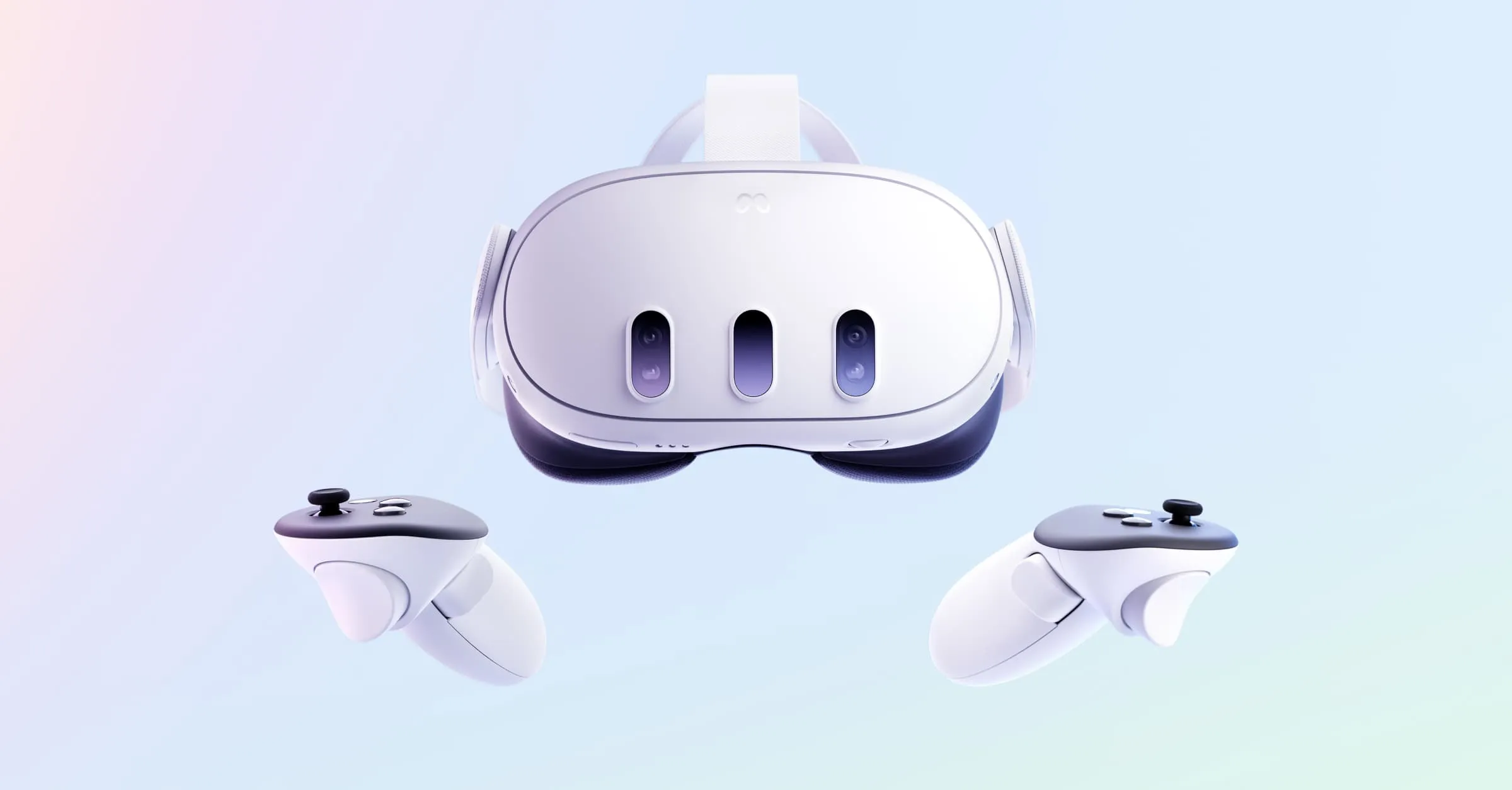
The Meta Quest 3 has become a popular choice for PC VR gaming despite being designed primarily as a standalone headset. It offers impressive versatility with its ability to connect to a gaming PC using either a USB-C cable or wirelessly via Air Link.
This mixed reality headset features a sleek, premium design that’s more comfortable than its predecessors. The display quality makes a significant leap forward with 4K resolution that provides 30% more pixels than previous models.
Performance is a strong point for the Quest 3. It’s powered by the Snapdragon XR2 Gen 2 processor, delivering twice the GPU processing power compared to the Quest 2. This translates to faster load times and smoother gameplay.
Storage options are generous, with Meta offering the most storage capacity in its lineup. This allows users to install more PC VR games and applications without constant management.
For PC VR specifically, the Quest 3 performs admirably though not without compromises. When using it with a PC, users may notice some compression artifacts and slightly increased latency compared to dedicated PC VR headsets.
Battery life remains a challenge during PC VR sessions, often requiring external power sources for extended gameplay. The Quest 3 typically provides 2-3 hours of use before needing a recharge.
While some enthusiasts on Reddit have criticized aspects of its PC VR performance, most users find it strikes a good balance between quality and convenience.
The pricing starts at around $500 for the 128GB model, making it a relatively affordable entry point into both standalone and PC VR gaming. The value proposition improves with Meta’s large software library and regular feature updates.
2. Valve Index
The Valve Index stands as a premium option in the PC VR market. Released by Valve Corporation, this high-end headset continues to impress VR enthusiasts despite newer competitors entering the space.
One of the Index’s standout features is its impressive display technology. The headset runs at 120Hz with full back-compatibility to 90Hz, plus an experimental 144Hz mode that enhances realism and immersion.
The visual clarity of the Index remains competitive even years after its release. Its dual displays provide a sharp image with minimal screen-door effect, creating a more immersive experience for PC gamers.
Comfort is another area where the Index excels. The balanced weight distribution and adjustable head strap make extended VR sessions more comfortable than many competitors.
Many Reddit users continue to praise the Index, with some stating it’s the best VR headset they’ve ever owned. The enthusiasm remains strong among the VR community despite the headset’s higher price point.
The controllers, often called “Knuckles,” offer precise finger tracking that few other systems can match. This finger-level tracking allows for more natural interactions in compatible VR applications.
Audio quality on the Index deserves special mention. The off-ear speakers provide excellent sound without pressing against the ears, enhancing comfort during longer play sessions.
Setting up the Index requires external base stations for tracking. While this means additional setup compared to inside-out tracking solutions, it provides exceptional tracking accuracy.
The complete Valve Index kit includes the headset, controllers, and base stations. Amazon reviews indicate that most customers find the system performs as expected for high-end PC VR gaming.
Though the Index carries a premium price tag of around $1000 for the full kit, many enthusiasts consider it worthwhile for the quality of experience it delivers.
3. HTC Vive Pro 2
The HTC Vive Pro 2 stands as a premium PC VR headset offering exceptional visual performance. Released as the successor to the award-winning original Vive Pro, this device targets users seeking high-end virtual reality experiences.
The headset features impressive technical specifications that set it apart in the VR market. It boasts dual LCD screens with 5K resolution, providing crisp imagery that enhances immersion significantly.
Visual clarity receives a substantial upgrade compared to its predecessor. The Vive Pro 2 increases resolution from 1440 x 1600 per eye to 2448 x 2448 per eye, eliminating the screen door effect that plagued earlier VR headsets.
Field of view expands to 120 degrees, allowing users to see more of the virtual environment without turning their heads. This wider perspective creates a more natural viewing experience during gameplay.
Refresh rate reaches 120Hz, ensuring smooth motion even in fast-paced games and applications. This higher refresh rate reduces motion sickness for many users while improving overall visual fluidity.
Setup requires external base stations positioned around the play area. While this means additional setup compared to inside-out tracking solutions, it provides precise tracking.
The VIVE Pro 2 Full Kit includes the headset, base stations, and controllers necessary for a complete VR system. Users can also purchase the headset separately if upgrading from compatible hardware.
Audio quality matches the visual experience with integrated headphones delivering clear, spatial sound. This enhances immersion without requiring additional accessories.
The Pro 2 excels in graphics-intensive applications and AAA PC games. Its high resolution makes it particularly suitable for simulators and detailed virtual environments where visual fidelity matters.
Power requirements exceed those of entry-level headsets. Users need a robust PC with a high-end graphics card to fully leverage the headset’s capabilities at maximum settings.
4. Pimax Crystal
The Pimax Crystal stands out as an impressive VR headset option for PC users seeking top-tier visual quality. This headset features cutting-edge glass aspheric lenses that deliver exceptional clarity for an immersive experience.
With a resolution of 2880 x 2880 per eye, the Crystal ranks among the highest resolution VR headsets available on the mainstream market. This impressive pixel density eliminates the “screen door effect” that plagues lower-resolution headsets.
Users consistently praise the Crystal for its visual fidelity. The color reproduction and clarity have been described as amazing by many users, particularly for simulation games where detail matters.
The wide field of view (FOV) sets the Pimax Crystal apart from competitors. Most standard VR headsets offer around 100 degrees FOV, while the Crystal provides a significantly more expansive view that enhances immersion.
PC compatibility is another strength of the Crystal. It works well with various gaming PCs and can take full advantage of powerful graphics cards to deliver stunning visual experiences.
However, potential buyers should note that the Crystal requires substantial computing power. The high resolution demands a capable PC to run games and applications smoothly at full settings.
Setup and adjustment can be more technical compared to simpler VR systems. The Crystal offers extensive customization options, which is great for enthusiasts but might intimidate beginners.
For simulation enthusiasts and VR power users, the Pimax Crystal represents one of the clear winners for PC-based VR. Its combination of high resolution, wide field of view, and PC compatibility makes it ideal for users seeking maximum visual fidelity.
The price point places the Crystal firmly in the premium segment of the market. While expensive, many users find the visual quality justifies the investment, especially for specialized applications like flight simulators or racing games.
5. Varjo XR-4
The Varjo XR-4 represents the high-end spectrum of PC VR headsets with exceptional visual quality. This professional-grade device features 4K by 4K mini-LED displays that deliver 28 million pixels of crystal-clear imagery.
Visual fidelity stands out as one of its strongest features. The XR-4 employs custom full-dome aspheric lenses that showcase content with remarkable clarity. With its 200 nit brightness, content appears vivid and lifelike.
The field of view exceeds many competitors at 120°x105°, providing users with extensive peripheral vision. This wide viewing angle enhances immersion significantly, though some users report slightly less coverage than advertised.
For mixed reality applications, the headset incorporates dual 20 MP cameras. These enable precise blending of virtual elements with the physical world, making the XR-4 particularly valuable for professional applications.
Build quality receives high marks from users. The device features excellent speakers that exceed the audio quality found in many competing headsets like the HP Reverb G2.
PC requirements deserve consideration before purchase. The XR-4 demands robust hardware to drive its high-resolution displays. Varjo recommends NVIDIA GPUs to ensure optimal performance.
For gaming specifically, the headset delivers mixed results. While its technical specifications impress, some users note it may not offer the best value purely for entertainment purposes. The device truly shines in professional contexts where visual precision matters most.
The premium features come with a premium price tag. Positioned as a headset for professionals, the XR-4 represents a significant investment compared to consumer VR options.
6. Sony PlayStation VR2
The PlayStation VR2 has recently become a viable option for PC gamers looking for a high-quality VR experience. Sony released an official adapter that allows users to connect the headset to compatible PCs, expanding its usefulness beyond the PlayStation 5 console.
One standout feature of the PSVR2 is its OLED display, which delivers deep blacks and vibrant colors that many PC-based headsets can’t match. The dual 2000×2040 per-eye resolution provides sharp visuals that enhance immersion in virtual environments.
The headset offers impressive technical specifications including a 110-degree field of view and refresh rates of up to 120Hz. It also features built-in eye tracking and headset feedback, though functionality may vary when used with PC compared to PS5.
For PC connectivity, users need specific hardware requirements. The PSVR2 requires both DisplayPort and USB 3 ports on their computer, which may limit compatibility with some laptops or older systems.
Sony provides detailed information about PC requirements on their website. Users should check these specifications before purchasing to ensure their system can properly support the headset.
The PSVR2 has quickly gained popularity in the PC VR community. Recent statistics show it has already reached the top 10 most used PC VR headsets, demonstrating its growing adoption among PC users.
While the adapter enables PC functionality, some features remain optimized for PS5. Certain games and applications may not take full advantage of all PSVR2 capabilities when used on PC rather than the console it was designed for.
Price-wise, the combination of the PSVR2 headset and PC adapter represents a significant investment. However, for those who already own the headset for PlayStation use, adding PC compatibility through the adapter offers excellent value.
7. HTC Vive XR Elite
The HTC Vive XR Elite offers impressive versatility as both a standalone headset and PC VR solution. This compact device eliminates the need for external base stations while still delivering high-quality virtual reality experiences.
Users can connect the Vive XR Elite to a PC either through a cable or wirelessly via Wi-Fi 6E. This flexibility allows gamers to enjoy low-latency, high-fidelity PC VR gaming without the hassle of setting up external tracking equipment.
The headset features the Snapdragon XR2 chip and comes with a full pair of motion controllers. These components ensure the XR Elite can run standard VR apps and games effectively.
Comfort was clearly a design priority for HTC. The XR Elite includes a soft forehead rest that enhances comfort during extended play sessions. This design choice also expands peripheral vision and improves spatial awareness.
The Vive XR Elite boasts exceptional graphics and high-resolution passthrough in a surprisingly compact form factor. This makes it more comfortable to wear for longer periods compared to some bulkier competitors.
It’s worth noting that some users have reported software issues with the XR Elite. According to some reviews, the device may still need software improvements to reach its full potential.
For PC VR enthusiasts seeking a versatile solution that works both standalone and connected to a computer, the Vive XR Elite presents an interesting option. Its cable-free design and robust features make it appealing to those who value flexibility and minimalism in their VR setup.
8. Meta Quest Pro
The Meta Quest Pro was a premium VR headset launched by Meta as a higher-end alternative to the Quest 2. It featured self-tracking controllers that eliminated tracking rings, allowing for more natural hand movements and better finger tracking for tasks like writing and drawing in VR.
Despite its premium features, the Meta Quest Pro has been discontinued. Meta’s website now redirects potential buyers to the Meta Quest 3, which is currently marketed as their ultimate mixed reality experience.
For PC VR users, the Quest Pro offered connectivity options through Link cable or Air Link. Some users found that when connected to PC at maximum bitrate (960Mbps), the Quest Pro performed well but was outshined by the Quest 3 in visual clarity.
The controllers were a significant upgrade from previous models, featuring self-tracking cameras that captured a greater range of motion and fine motor controls. This made them particularly suited for creative applications in VR.
While the Quest Pro had premium build quality and comfort features, it was positioned at a higher price point than other Quest headsets. For pure PCVR purposes, some users reported the Quest 3 provided better visuals due to its higher resolution display.
The headset could be used as a standalone device but shined when connected to a capable PC. This allowed users to access both the Quest store content and PC VR applications through Steam VR and other platforms.
9. Somnium VR1
The Somnium VR1 stands as one of the premium options in the PCVR market today. This high-end headset targets enthusiasts who want exceptional visual fidelity and are willing to pay for it.
The headset features impressive QLED Mini-LED Fast LCD displays with a resolution of 2880 x 2880 per eye. This high pixel density ensures games and applications appear crisp and detailed, with minimal screen door effect.
One of the VR1’s standout features is its exceptional field of view. The wide FOV design helps create a more immersive experience by filling more of your peripheral vision compared to standard headsets.
The VR1 also delivers impressive brightness at 210 nits and a remarkable contrast ratio of 20,000:1 with HDR support. These specs help create vibrant, life-like visuals with deep blacks and bright highlights.
As a PC-connected device, the Somnium VR1 offers flexibility with input options. Users can utilize standard PC peripherals like mouse and keyboard in addition to VR controllers.
The headset particularly excels for simulation enthusiasts. Flight sim, racing sim, and other technical VR applications benefit from the enhanced clarity and detail the VR1 provides.
However, the Somnium VR1 comes with significant drawbacks. The most obvious is price – it ranks among the most expensive VR headsets on the consumer market, placing it out of reach for casual users.
Its high-end PC requirements also add to the total cost of ownership. Running games at the headset’s native resolution demands powerful hardware for smooth performance.
10. Meta Quest 3S
The Meta Quest 3S is a compelling VR headset option for PC users seeking affordability without sacrificing quality. Released as a more budget-friendly alternative to the Quest 3, it maintains many of the premium features while hitting a more accessible price point.
The Quest 3S features the same mixed reality capabilities as its more expensive sibling, offering 4.5 times the resolution and color compared to the Quest 2. This significant visual upgrade makes it an excellent choice for PC VR gaming where detail matters.
Performance-wise, the Quest 3S doesn’t compromise on power. It utilizes the same chipset and RAM configuration as the Quest 3, ensuring it can run all the same VR games and applications without issues.
PC compatibility remains straightforward with the Quest 3S. Users can connect to their computers via Link cable or wirelessly through Air Link, providing flexibility for different setup preferences and play styles.
The headset has been widely recognized for its value proposition. Many experts consider it the best headset for most people due to its combination of affordability, ease of use, and extensive game library.
For first-time VR users primarily interested in PCVR experiences, the Quest 3S comes highly recommended. Community feedback suggests it serves as an excellent entry point into virtual reality without requiring the higher investment of premium models.
The Quest 3S benefits from Meta’s established ecosystem, giving users access to a vast library of both standalone and PC VR content. This versatility makes it a practical choice for those who want the option to use VR both with and without a computer.
Understanding VR Headset Specifications
When shopping for a PC VR headset, technical specifications determine both performance and comfort during extended gaming sessions. These specs directly impact visual clarity and how smoothly games run.
Resolution and Display Quality
Resolution is perhaps the most crucial specification to consider when choosing a PC VR headset. Higher resolution means sharper images and less of the dreaded “screen door effect” where you can see the gaps between pixels.
Most modern VR headsets offer at least 1832 × 1920 pixels per eye, with premium options like the HTC Vive Pro 2 pushing boundaries with significantly higher resolutions. The technology behind the display matters too – OLED panels provide deeper blacks and vibrant colors, while LCD displays often offer better clarity and reduced screen door effect.
Text legibility is another important factor influenced by resolution. Higher resolution displays make reading in-game text and using virtual desktop applications much more comfortable.
Field of View and Refresh Rate
Field of View (FOV) measures how much of the virtual world you can see at once. A wider FOV creates a more immersive experience by filling more of your peripheral vision.
Most consumer headsets offer between 90-110 degrees FOV. Some premium options push this to 120 degrees or higher, creating a more natural feeling experience. Your perceived FOV can also be affected by face shape and how closely the headset sits to your eyes.
Refresh rate, measured in Hz, determines how smoothly motion appears in VR. The best VR headsets for PC offer at least 90Hz, with many premium models reaching 120Hz or higher. Higher refresh rates reduce motion sickness and make fast movements in games feel more natural.
Remember that your PC hardware needs to be powerful enough to drive these high refresh rates consistently.
Compatibility with PC Systems
Connecting a VR headset to your PC requires specific hardware capabilities and software installations. Both aspects are crucial for ensuring a smooth, high-quality virtual reality experience without performance issues or compatibility problems.
Hardware Requirements
For PC-based VR gaming, your computer needs to meet minimum specifications to deliver acceptable performance. Most VR headsets require at least an NVIDIA GTX 1060 or AMD Radeon RX 480 graphics card, though higher-end models like the Valve Index perform best with an RTX 2070 or better.
Processor requirements typically include at least an Intel Core i5 or AMD Ryzen 5 CPU from recent generations. RAM needs are usually 8GB minimum, with 16GB recommended for smoother performance.
Connection ports matter significantly. The HTC Vive Pro 2 requires DisplayPort 1.2 or newer, while many headsets need multiple USB 3.0 ports. Some newer models use USB-C connections instead.
Gaming laptops require special consideration, as not all have VR-compatible video outputs even with powerful GPUs.
Software and Platform Compatibility
VR headsets typically work with specific software platforms. Most PC VR headsets support SteamVR, Valve’s popular VR platform with the largest game library. Oculus (Meta) headsets use their own software but can also access SteamVR through additional software.
Windows 10 or 11 is required for most VR headsets. Mac compatibility remains limited, with few headsets supporting Apple systems.
Driver updates are essential for optimal performance. Graphics card manufacturers regularly release VR-specific optimizations through driver updates.
Some headsets offer wireless capabilities through add-ons or built-in features, requiring strong Wi-Fi networks (preferably 5GHz or 6GHz) and additional software configurations.
Popular simulators like Microsoft Flight Simulator have specific compatibility requirements and often benefit from higher-end systems for smooth VR experiences.
Frequently Asked Questions
Many PC users have common questions when choosing a VR headset. The right choice depends on budget, intended use, and technical requirements.
What are the top-rated VR headsets for PC gaming in the current year?
The Meta Quest 3 currently leads the market as one of the best overall VR headsets for PC gaming. This versatile device offers both standalone functionality and PC connectivity.
The Valve Index remains highly regarded for its exceptional tracking precision and comfortable design. Its finger-tracking controllers provide unmatched immersion in compatible games.
For users seeking ultra-high resolution, the HTC Vive Pro 2 and Pimax Crystal deliver stunning visuals with their high-pixel-density displays. The Varjo XR-4 represents the premium tier with industry-leading clarity.
Which budget-friendly VR headsets are most suitable for PC users?
The Meta Quest 3S stands out as an excellent budget option, offering inexpensive access to VR while maintaining compatibility with PC gaming through Oculus Link or Air Link. This makes it versatile for users with limited budgets.
Older generation headsets like previous Meta Quest models can also provide affordable entry points to PC VR when found at discounted prices. These still support connection to gaming PCs despite being older technology.
Windows Mixed Reality headsets, when available on the secondary market, offer another budget-friendly option with decent PC compatibility.
How does the Meta Quest 3S compare to other PC VR headsets on the market?
The Meta Quest 3S provides exceptional value with its balance of affordability and features. It offers access to the widest range of games while maintaining reasonable visual quality.
When compared to premium PC headsets like the Valve Index or HTC Vive Pro 2, the Quest 3S sacrifices some visual fidelity and tracking precision. However, its wireless capability and versatility make it an attractive option for many users.
The convenience factor cannot be overstated, as the Quest 3S requires minimal setup compared to PC-tethered alternatives that need external sensors or base stations.
What VR headset is recommended for an immersive movie-watching experience on a PC?
Headsets with high resolution displays like the Pimax Crystal and HTC Vive Pro 2 excel at movie viewing due to their minimal “screen door effect” and sharp image quality. These provide a virtual cinema experience with exceptional clarity.
The Meta Quest 3 offers a good balance of comfort and visual quality for movie enthusiasts. Its standalone nature also means users can watch movies without remaining tethered to a PC.
For extended viewing sessions, the Valve Index’s comfort-focused design and balanced weight distribution make it ideal for longer movie marathons.
Which high-end VR headsets offer the best performance and visuals for PC gaming?
The Varjo XR-4 represents the pinnacle of visual clarity in VR with its industry-leading resolution and minimal distortion. This premium device delivers unmatched image quality for the most demanding applications.
The Pimax Crystal offers an extremely wide field of view combined with high resolution, creating an immersive experience that minimizes the tunnel vision effect common in other headsets.
The Valve Index balances high refresh rates (up to 144Hz) with good resolution and excellent tracking, making it preferred by many enthusiasts seeking sharp displays and accurate tracking.
What considerations should be made when choosing a VR headset for Steam games?
Compatibility with SteamVR is essential, with the Valve Index offering the most seamless integration since it’s developed by the same company. Most major headsets support SteamVR, but implementation quality varies.
PC specifications are crucial, as different headsets have varying hardware requirements. Higher resolution headsets like the Pimax Crystal and HTC Vive Pro 2 demand powerful graphics cards to run games at native resolution.
Controller functionality should be considered, as some Steam games are designed with specific controller types in mind. The Valve Index controllers provide the most comprehensive hand tracking for Steam games.