
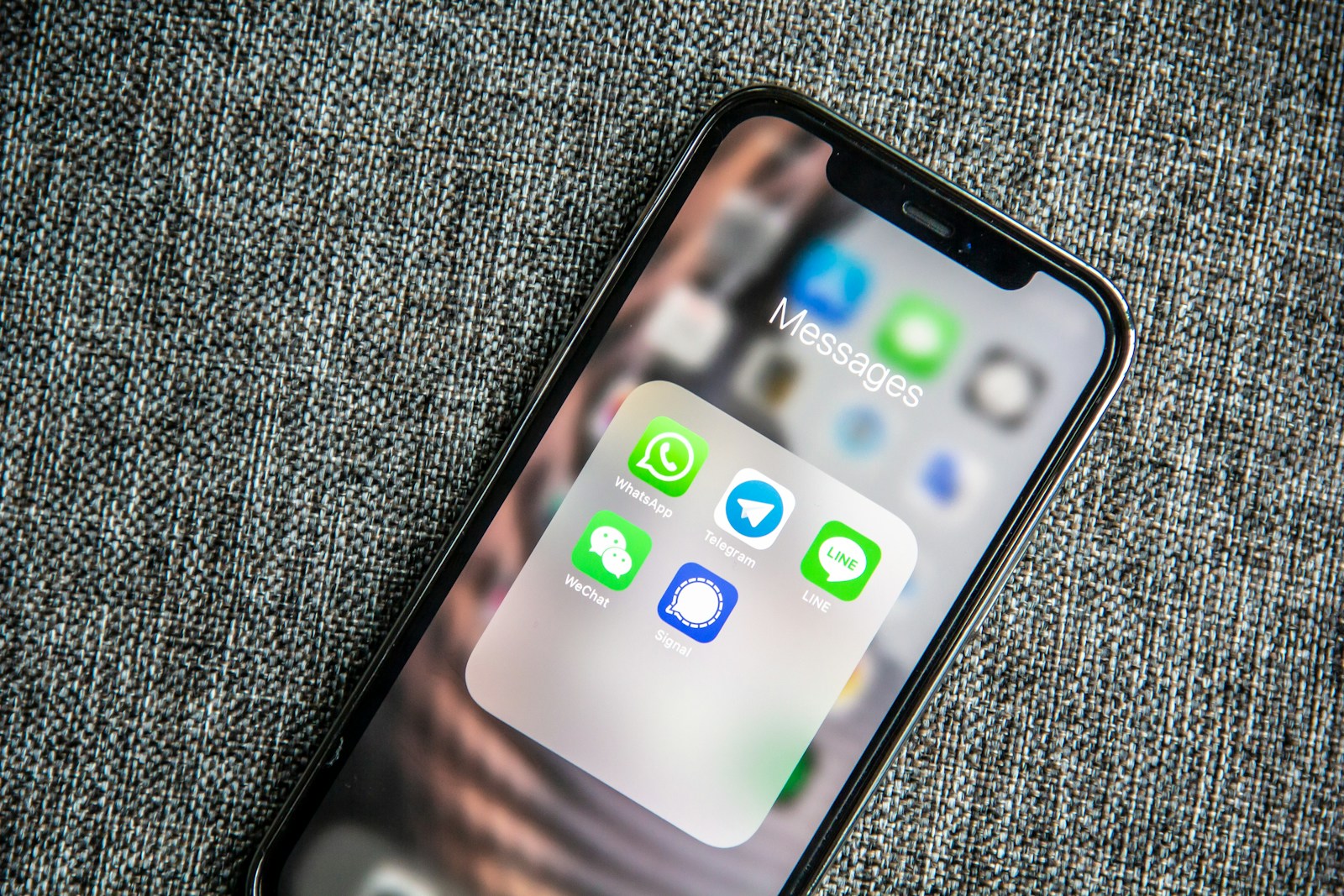
In today’s digital age, privacy concerns have pushed many users to seek secure communication methods. Messaging apps with encryption features have become essential tools for protecting sensitive conversations from prying eyes. As cyber threats evolve, the demand for truly private messaging platforms continues to grow among both everyday users and those with specific security needs.
Signal consistently ranks as the top encrypted messaging app across multiple expert reviews due to its strong end-to-end encryption protocol and commitment to user privacy. The best secure messaging applications offer features like disappearing messages, screenshot prevention, and verification mechanisms that help ensure conversations remain private. When choosing an encrypted messaging app, users should consider factors like ease of use, platform availability, and the specific privacy features that matter most to their situation.
1. Signal
Signal is widely recognized as one of the most secure messaging apps available today. It uses end-to-end encryption for all communications, ensuring that only the sender and recipient can read messages.
The app was created with privacy as its core mission. Unlike some other messaging platforms, Signal cannot read your messages or listen to your calls. This commitment to privacy has earned it a strong reputation among security experts.
Signal is completely free to use and doesn’t have ads. It works on both Android and iOS devices, making it accessible to most smartphone users.
The interface is clean and straightforward. Users can send texts, voice messages, photos, and videos through the app. It also supports group chats and voice calls.
Many people appreciate that Signal is open source, which means independent experts can verify its security. This transparency builds trust with users concerned about privacy.
Signal has grown in popularity in recent years. Many people switched to it after changes in privacy policies at other messaging apps.
One potential drawback is that fewer people use Signal compared to apps like WhatsApp or Facebook Messenger. This means you might need to convince friends and family to download it to stay in touch.
The app continues to add new features while maintaining its focus on security. Recent updates have made it more user-friendly without compromising privacy.
Security experts often recommend Signal over other messaging apps because it consistently uses strong encryption for all communications. Some competing apps only encrypt certain types of messages.
Signal is available on the Google Play Store and Apple App Store, making it easy to download and set up.
2. Threema
Threema is a secure instant messenger from Switzerland that prioritizes user privacy and data protection. It stands out for its commitment to generating minimal user data while providing robust security features.
The app employs end-to-end encryption for all communications, including messages, voice and video calls, group chats, files, and even status messages. This ensures only intended recipients can access the content.
Unlike many competitors, Threema doesn’t require users to provide a phone number or email address to register. This approach further enhances privacy by reducing personal information tied to the account.
The messenger is GDPR-compliant, making it suitable for both individuals and companies concerned about data protection regulations. Many organizations choose Threema for its security credentials and transparent privacy practices.
Threema is available on both Android and iOS devices. The app is not free, requiring a one-time purchase, which helps support its no-ads and no-data-collection business model.
The platform uses a unique ID system for identifying users rather than traditional contact methods. This creates an additional layer of anonymity for those who prefer not to share personal identifiers.
Threema stores messages locally on users’ devices rather than on central servers. Once messages are delivered, they’re deleted from Threema’s servers, minimizing data retention risks.
The company regularly undergoes independent security audits to verify its protection claims. These audits help maintain trust in the platform’s security infrastructure.
For businesses, Threema offers specialized solutions that enable secure internal communications while maintaining compliance with strict data protection requirements.
3. Wire
Wire is a secure messaging app that focuses on privacy and encryption. Launched in 2014, it has established itself as a trusted option for both individual users and businesses seeking secure communication channels.
Wire offers end-to-end encryption for all communications, including messages, file sharing, and conference calls. This encryption ensures that only the intended recipients can access the content being shared.
One of Wire’s standout features is its robust collaboration suite. Teams can communicate and share information easily while maintaining security standards. The platform supports group chat capabilities and file sharing within a protected environment.
Wire doesn’t require a phone number to register, which adds an extra layer of privacy. Users can sign up with just an email address, making it more anonymous than some competing apps.
The app offers a clean, user-friendly interface that works across multiple platforms. Users can access Wire on mobile devices through the Google Play Store and other app stores, as well as desktop computers.
Wire has received positive reviews for its security features. CyberInsider’s 2025 test results show that it remains a well-regarded option for secure messaging.
The company behind Wire is based in Europe and complies with strict EU privacy regulations. This European jurisdiction provides additional legal protections for user data compared to some alternatives.
Wire offers both free and premium tiers. The free version provides basic secure messaging, while the premium options add advanced features for businesses and organizations with more complex needs.
The app undergoes regular security audits by independent experts. These audits help maintain the integrity of Wire’s encryption protocols and security measures.
4. Wickr Me
Wickr Me is an end-to-end encrypted messaging app that offers secure communication for individuals and teams. It provides tools for sending messages, making calls, and sharing files with strong privacy protections.
Wickr uses advanced encryption to protect conversations from third-party access. All messages, calls, and shared files benefit from this cutting-edge security, making it difficult for hackers or cybercriminals to intercept communications.
One distinctive feature of Wickr Me is its automatic message deletion. Users can set expiration times for messages, ensuring sensitive information doesn’t remain accessible indefinitely. This timer function adds an extra layer of privacy protection.
The platform works across multiple devices, allowing users to stay connected securely whether on mobile phones or computers. AWS Wickr apps are available for both Android and iOS operating systems.
Security experts often recommend Wickr for its strong focus on privacy and data protection. The app does not collect user metadata, further strengthening confidentiality for its users.
It’s important to note that Wickr Me is scheduled to shut down in the near future. Users currently relying on this service should begin exploring alternative encrypted messaging platforms.
For organizations needing secure communications, Wickr offers professional versions beyond the basic Wickr Me app. These provide expanded features like administration controls and integration with other business systems.
Wickr maintains a reputation for reliability in the encrypted messaging space. Many professionals in fields requiring confidentiality, such as journalism, business, and government, have trusted this platform for their sensitive communications.
5. Telegram
Telegram is a popular messaging app with over 950 million downloads worldwide. It offers fast messaging that syncs across all devices and includes features like large group chats and channels.
However, Telegram’s encryption approach differs significantly from other secure messaging apps. Unlike apps that use end-to-end encryption by default, Telegram only provides end-to-end encryption in “Secret Chats”.
Regular one-to-one conversations and group chats on Telegram are not end-to-end encrypted. This means the content of these messages could potentially be accessed by Telegram’s servers.
Users must manually activate the “Secret Chats” feature when they want their conversations to be fully protected. This opt-in approach to encryption has drawn criticism from privacy experts.
The distinction is important. In normal Telegram chats, the company can theoretically access message content. In Secret Chats, only the communicating parties can read the messages.
Many security professionals argue that Telegram fails to meet the stronger definition of an encrypted messaging app because it doesn’t make end-to-end encryption the default setting.
Despite these limitations, Telegram does offer other privacy features. The app provides self-destructing messages and doesn’t require a phone number for contacts to communicate with each other.
For users seeking maximum privacy, it’s crucial to understand that they must manually activate the Secret Chats feature to ensure their communications are truly private.
Telegram remains extremely popular due to its speed, reliability and feature set. The platform excels at large group communications and content sharing.
When comparing messaging apps purely on security, Telegram’s approach means users must take extra steps to ensure their conversations are fully protected from potential third-party access.
6. WhatsApp
WhatsApp is one of the most widely used messaging apps in the world with billions of active users. Since 2016, the platform has implemented end-to-end encryption for all messages, voice calls, and video calls using the Signal Protocol.
This encryption means that only the sender and recipient can read messages or listen to calls. Not even WhatsApp or its parent company Meta can access the content of communications exchanged on the platform.
WhatsApp offers a variety of privacy features for users concerned about their data. These include disappearing messages, view-once photos and videos, and two-factor authentication to protect accounts from unauthorized access.
However, WhatsApp collects more metadata than some other secure messaging options. It requires a phone number to register and links to your Facebook account if you have one.
The app backs up chats to Google Drive or iCloud by default, which could potentially compromise encryption. Users should be aware that these backups aren’t protected by the same end-to-end encryption unless specifically configured.
WhatsApp has made improvements to its privacy policy after facing criticism. The platform now provides clearer information about how user data is handled and what information is shared with Meta.
For those seeking a balance between security and convenience, WhatsApp offers a solid option. Most friends and family likely already use it, making it easier to communicate securely without asking contacts to download a new app.
The app works across platforms including iOS, Android, and desktop, making it versatile for different devices. Its interface is user-friendly and offers features like group chats, voice messages, and file sharing.
While not considered the most secure messaging app compared to alternatives like Signal, WhatsApp provides strong encryption for everyday communications that satisfies the security needs of most users.
7. Viber
Viber is a widely-used messaging app that offers private and secure communication for users worldwide. The platform allows people to have authentic conversations with friends, family members, and colleagues through encrypted messaging.
The app provides free and secure calls and messages to contacts regardless of their location. This makes Viber a convenient option for staying connected with people across different countries and time zones.
Security is a key focus for Viber. The platform emphasizes protection of user communications through encryption technology, though it may not be as frequently mentioned in privacy discussions as some alternatives.
When compared to other secure messaging apps, Viber offers a good balance of features and security. However, privacy-focused users often compare it with options like Signal, which some experts consider the gold standard for messaging privacy.
Viber’s interface is user-friendly, making it accessible for people who want security without technical complexity. The app works across multiple devices, allowing for seamless communication whether at home or on the go.
For those concerned about metadata collection, it’s worth noting that some messaging services may still collect certain user data even with encryption enabled. This is an important consideration when selecting a secure messaging platform.
Viber continues to update its security features to address evolving privacy concerns. The app remains popular in many countries where secure communication is valued, though preferences vary based on regional factors and specific privacy requirements.
8. Session
Session is a private messaging app focused on protecting user privacy by minimizing metadata collection. Unlike many messaging platforms, Session doesn’t require a phone number or email to sign up, allowing users to chat without divulging personal information.
The app uses end-to-end encryption to secure all conversations. This means only the sender and recipient can read the messages, keeping communications private from third parties, including Session itself.
What makes Session stand out is its approach to metadata. The app is designed to minimize sensitive metadata that could potentially identify users. This provides an extra layer of privacy beyond what standard encrypted messaging offers.
Session operates on a decentralized network rather than using central servers. This design choice helps prevent a single point of failure and reduces vulnerability to data breaches or service outages.
The app has gained recognition for its strong privacy features. PCMag’s cybersecurity team, which has evaluated secure messaging apps for years, includes Session among worthwhile private messaging options for those concerned about privacy.
While Signal is often rated as the top secure messaging app overall, Session appeals to users who want more anonymity. Its focus on metadata minimization addresses a privacy concern that even some encrypted apps don’t fully tackle.
Session goes beyond basic encryption by implementing additional security measures. The app uses client-side end-to-end encryption to ensure that messages remain secure throughout transmission.
For users with heightened privacy concerns or those living in areas with internet restrictions, Session provides tools for communication without compromising personal information. This makes it particularly valuable for journalists, activists, or anyone requiring confidential communications.
9. iMessage
iMessage is Apple’s built-in messaging service that comes pre-installed on all iPhones, iPads, and Mac computers. It offers end-to-end encryption for messages sent between Apple devices, making it a convenient option for those already in the Apple ecosystem.
The app uses blue text bubbles to indicate encrypted iMessages, while green bubbles show standard SMS texts that aren’t encrypted. This visual difference helps users know when their conversations are secure.
One major advantage of iMessage is its seamless integration with Apple devices. Users don’t need to download anything extra or create new accounts since it works with their Apple ID.
For privacy-conscious users, iMessage provides end-to-end encryption that prevents even Apple from reading message contents. This security feature activates automatically when messaging other Apple users.
The platform supports rich media sharing including photos, videos, voice messages, and documents. It also offers fun features like animations, stickers, and games that enhance the messaging experience.
A significant limitation is that iMessage only works between Apple devices. When texting Android or other non-Apple users, messages default to unencrypted SMS/MMS, losing all privacy benefits.
Unlike some dedicated private messaging apps, iMessage doesn’t offer disappearing messages or screenshot detection. These missing features may concern those who need maximum privacy protection.
iMessage data can be backed up to iCloud, but users should note that these backups aren’t end-to-end encrypted unless they enable Advanced Data Protection in their settings.
For Apple users wanting simple encrypted communication without installing additional apps, iMessage provides a solid balance of security and convenience. However, those messaging across different platforms might prefer a dedicated secure messaging service.
10. Simplex
SimpleX Chat stands out in the encrypted messaging landscape by taking a different approach to user privacy. Unlike other apps, it operates without any user IDs – not even random numbers or identifiers. This design choice makes it truly private.
Users connect with others by sharing links or QR codes to establish private connections. This method eliminates the need for phone numbers, email addresses, or usernames that could be tracked or monitored.
The app features end-to-end encryption for all messages, ensuring conversations remain private. Users can edit, reply to, and delete messages as needed. SimpleX also offers disappearing messages with the ability to opt-out per contact or group.
SimpleX Chat is fully open-source, allowing anyone to review its code for security vulnerabilities. This transparency builds trust among privacy-conscious users who want verification of security claims.
The app is available on both iOS and Android platforms. Its interface is straightforward, though some users might find it less polished than more mainstream messaging apps.
SimpleX operates on a decentralized network structure, making it resistant to censorship and server shutdowns. This architecture provides additional protection against surveillance and data collection.
For those concerned about messaging privacy, SimpleX offers an interesting alternative to Signal, WhatsApp, and other popular encrypted messengers. Its unique approach to identity protection makes it particularly valuable for users with heightened privacy needs.
The app maintains its independence through a combination of stable profits and non-profit protocol governance. This business model helps ensure the platform remains focused on privacy rather than data monetization.
Understanding Encryption in Messaging Apps
Encryption transforms readable messages into scrambled code that only authorized recipients can decode. Modern messaging apps use different encryption methods to protect user communications from hackers, governments, and even the app companies themselves.
Types of Encryption Protocols
Messaging apps employ several encryption protocols to secure communications. End-to-end encryption (E2EE) is the gold standard, where messages are encrypted on the sender’s device and can only be decrypted by the intended recipient.
Other common protocols include:
- Transport Layer Security (TLS): Protects data while in transit but doesn’t secure it on servers
- Signal Protocol: Used by Signal, WhatsApp, and others for strong E2EE
- MTProto: Telegram’s custom encryption protocol
- PGP (Pretty Good Privacy): An older but still effective method for email encryption
Some apps use a hybrid approach, implementing different protocols for various features. For example, an app might use E2EE for private chats but server-side encryption for group messages or backups.
Importance of End-to-End Encryption
End-to-end encryption provides the highest level of privacy by ensuring that only the communicating users can read messages. Not even the app developers can access the content. This protection is crucial in an age of increasing digital surveillance and data breaches.
E2EE guards against:
- Government surveillance
- Corporate data mining
- Hackers and cybercriminals
- Server breaches
Without E2EE, messages might be converted into code during transmission but could be readable once they reach company servers. This leaves them vulnerable to legal demands, employee snooping, or server compromises.
For journalists, activists, and privacy-conscious users, E2EE messaging apps like Signal offer essential protection. Even WhatsApp and other mainstream apps now implement E2EE, recognizing its importance to user trust and security.
Privacy and Security Features
When choosing an encrypted messaging app, the underlying security features determine how well your conversations stay protected. Modern apps use different methods to keep your messages safe from prying eyes and potential hackers.
Two-Factor Authentication
Most secure messaging apps offer two-factor authentication (2FA) as an additional security layer. This feature requires users to verify their identity through something they know (password) and something they have (usually a mobile device).
Signal, one of the most popular encrypted messaging options, implements 2FA through registration locks. This prevents unauthorized account access even if someone intercepts your verification code.
Wickr takes 2FA seriously with multiple verification methods. The app allows users to set up backup authentication methods in case their primary device is unavailable.
Apps like Threema add another security dimension by letting users verify contacts through QR codes or fingerprints. This helps ensure users are communicating with legitimate accounts.
Data Minimization Practices
The best encrypted messaging platforms follow strict data minimimization principles. They collect only essential information required for the service to function properly.
Signal stands out by collecting virtually no user metadata. The app operates on a “know-nothing” approach, meaning it cannot access message content, contact lists, or user activity even if compelled by authorities.
Threema offers anonymity by not requiring phone numbers or email addresses. Users can create accounts with a randomly generated ID, keeping their real identities separate from their communications.
Wickr includes a unique “shredder” feature that permanently deletes all message data according to user-defined schedules. This automated deletion prevents data accumulation that could become vulnerable in a breach.
Frequently Asked Questions
People have many questions about encrypted messaging apps and how to protect their privacy. These questions address platform availability, security features, and anonymity options across different devices.
What are the top encrypted messaging applications available for Android devices?
Android users have several strong options for encrypted messaging. Signal is widely considered the best choice due to its consistent end-to-end encryption (E2EE) implementation.
Telegram offers a good balance of features and security, though its default chats aren’t end-to-end encrypted. Users must specifically use the “Secret Chats” feature.
Threema provides excellent privacy for Android users and doesn’t require a phone number to register, adding an extra layer of privacy protection.
Which encrypted messaging app offers the most privacy for iPhone users?
For iPhone users seeking maximum privacy, Signal remains the top recommendation with its robust encryption and minimal data collection policies.
Threema is another excellent choice for iPhone users concerned about privacy. It allows anonymous use and stores minimal user data.
Wire provides a feature-rich experience for iPhone users while maintaining strong encryption standards and privacy controls.
How can one ensure their messages remain untraceable using an encrypted messaging app?
Using an app with end-to-end encryption is the first step toward untraceable messages. Signal and Threema both excel in this area.
Enable disappearing messages features when available. This ensures messages automatically delete after being read.
For maximum privacy, consider apps like Threema that don’t require phone numbers for registration and allow anonymous use.
Has Signal maintained its position as a highly secure messaging platform?
Yes, Signal continues to be recognized as one of the most secure messaging platforms available in 2026. Its encryption protocol is still considered the gold standard.
Security experts consistently recommend Signal due to its transparent operations, open-source code, and minimal data collection practices.
The app’s commitment to privacy hasn’t wavered, and it regularly updates its security features to address emerging threats.
What features should be considered when choosing an encrypted app for private conversations between couples?
End-to-end encryption should be the primary consideration to ensure only the couple can access their messages.
Look for features like disappearing messages, screen capture notifications, and passcode locks for the app itself.
Consider whether both partners use the same operating system, as some apps offer better cross-platform experiences than others.
Are there messaging apps that provide complete anonymity, and what are they?
Threema offers strong anonymity features as it doesn’t require a phone number or email for registration and uses a unique ID system instead.
While perfect anonymity is difficult to achieve, apps that don’t require personal information for signup provide better protection.
Some users take the extreme approach mentioned on Reddit of using physical methods like pen and paper for truly anonymous communication, though this sacrifices the convenience of digital messaging.